Non-Sporting group
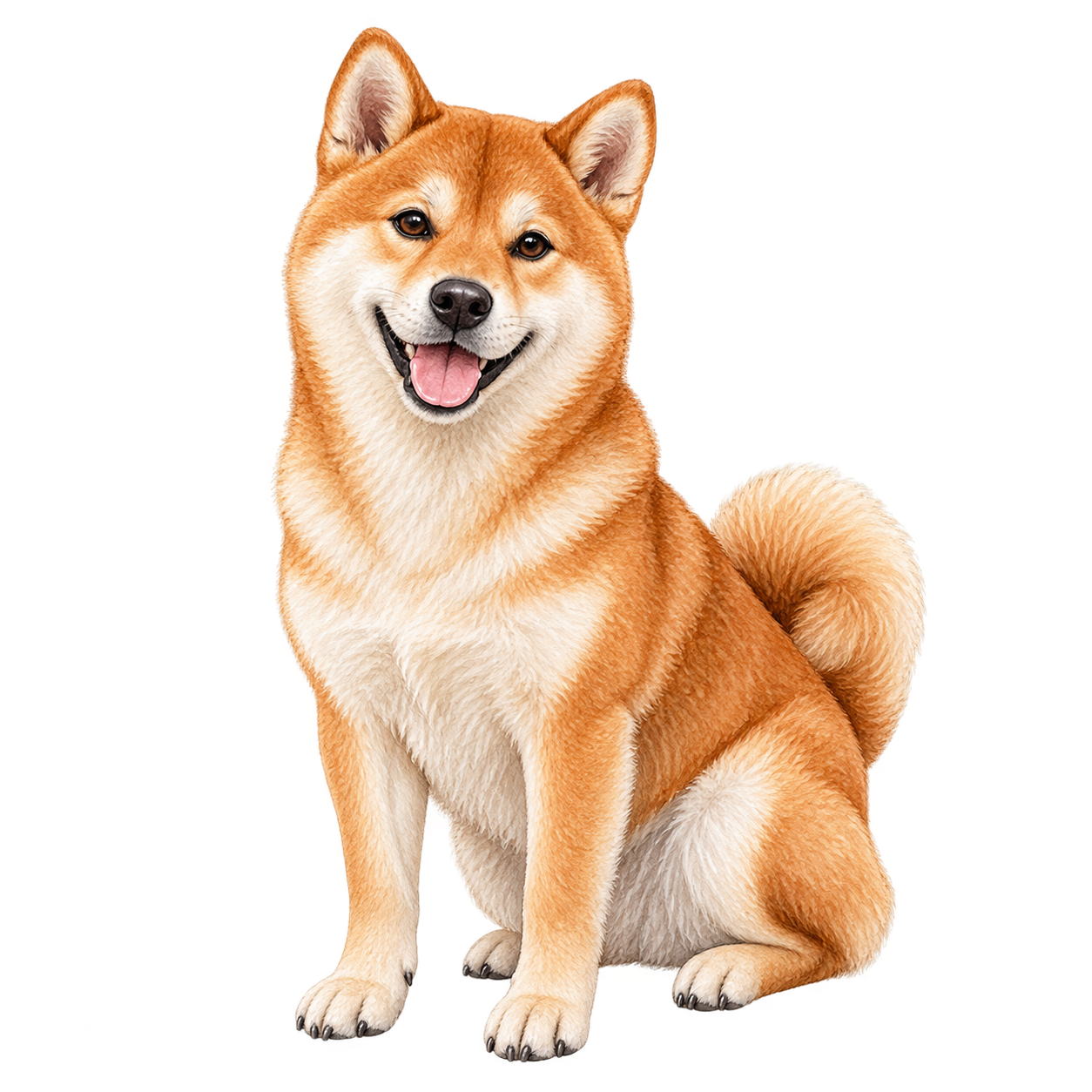
Shiba Inu
Bold, alert and self-possessed — an ancient Japanese hunter with a cat-like streak.
Shiba Inus are small, spirited spitz dogs from Japan. They are clean, confident and loyal, but independent, strong-willed and hard to train off lead.
- Height
- 13.5–16.5 in34–42 cm
- Weight
- 17–23 lb8–10 kg
- Life expectancy
- 13–16 years
- Size
- Small
- Group
- Non-Sporting
- Origin
- Japan
Coat: Stiff outer coat with a soft, thick undercoat. Colours: Red, Black and tan, Sesame, Cream.
At a glance
Ratings describe typical dogs of the breed on a 1–5 scale. Individual dogs vary with lines, upbringing and training.
Temperament
Shibas are alert, dignified and often aloof with strangers. They are affectionate on their own terms and bond closely with their family. They keep themselves clean and are often compared to cats.
They are independent and can be stubborn, possessive of food and toys and selective with other dogs. The famous “Shiba scream” can appear when they are unhappy. Recall is notoriously unreliable.
Living with a Shiba Inu
Exercise
About an hour daily of walks and play. Always use a lead or secure area.
Grooming
Weekly brushing, and daily during the twice-yearly coat blow when the undercoat comes out in clumps. Shibas often dislike being handled.
Training
Independent and stubborn; short, reward-based sessions work best. Socialise early.
Kids & other pets
Better with older children. Can be dog-selective and chase small animals.
Time alone
Tolerates alone time better than many breeds and is naturally clean, but still needs exercise first and a secure, escape-proof home.
Home fit
Adapts well to apartments and smaller homes when daily needs are met.
Is a Shiba Inu right for you?
Take the Breed Fit quiz to see how a Shiba Inu matches your home, schedule and tolerance for shedding, barking and exercise — or find out which breed matches your personality with Dogsona.
Health
With good breeding and care, a Shiba Inu typically lives 13–16 years. These are the conditions most associated with the breed — not a prediction for any individual dog.
Allergies
Environmental allergies causing itching are common.
Patellar luxation
Loose kneecaps occur in the breed.
Glaucoma
An inherited eye condition that can cause blindness.
Hip dysplasia
Less common than in large breeds, but screened parents still reduce the risk.
GM1 gangliosidosis
A fatal inherited neurological disease; DNA testing is available.
Ask a breeder for
- Patella evaluation
- Hip evaluation
- Eye examination
- DNA test for GM1 gangliosidosis
Sources: OFA CHIC breed requirements: Shiba Inu; National Shiba Club of America. This is general information, not veterinary advice — talk to your vet about your own dog.
Cost to own
After the first year, expect roughly $1,000–$2,000 a year for food, routine vet care, preventives, insurance and supplies (US estimate).
- Pet insurance for a puppy typically runs $30–$60 a month; premiums rise with age and breed risk.
History
Shibas are one of Japan’s oldest breeds, used to flush birds and small game in mountainous terrain. After World War II the breed nearly died out due to bombing and distemper.
Breeders rebuilt the Shiba from three surviving bloodlines — Shinshu, Mino and San’in. The AKC recognised the breed in 1992.
Did you know?
- A Shiba named Kabosu became the face of the “Doge” meme.
- “Shiba” may refer to brushwood or to “small” in an old Japanese dialect.
- Shibas are known for the dramatic “Shiba scream”.
Library guides for Shiba Inu owners
Grooming
Brushing
A brushing routine keeps Shiba Inu shedding under control.
Training
Come (Recall)
High chase drive makes a reliable recall essential.
Exercise & Play
Dog Walking
Getting daily walks right for a Shiba Inu.
Grooming
Nail Clipping
Every dog needs regular nail care.
New Dog Owners
How to find a reputable dog breeder
What to ask a Shiba Inu breeder about health screening.
New Dog Owners
The real cost of a puppy: what to budget before you bring one home
Budget for the first year and beyond.
Similar breeds
Frequently asked questions
- Are Shiba Inus good for first-time owners?
- They can be challenging due to independence and stubbornness.
- Do Shiba Inus shed?
- Yes, heavily twice a year.
- Can Shiba Inus be off lead?
- Rarely. Their prey drive and independence make recall unreliable.