Working group
Saint Bernard
The legendary Alpine rescuer — gentle, patient and enormous.
Saint Bernards are giant, friendly working dogs famous for mountain rescue. They are calm, patient family dogs, but their size, drool, shedding and heat sensitivity need serious consideration.
- Height
- 26–30 in66–76 cm
- Weight
- 120–180 lb54–82 kg
- Life expectancy
- 8–10 years
- Size
- Giant
- Group
- Working
- Origin
- Swiss Alps
Coat: Short and smooth or medium-length rough coat. Colours: Red and white, Brindle and white, Mahogany and white.
At a glance
Ratings describe typical dogs of the breed on a 1–5 scale. Individual dogs vary with lines, upbringing and training.
Temperament
Saints are gentle, friendly and tolerant. They are famously patient with children and generally welcoming to visitors and other animals.
They are slow to mature and can be clumsy and pushy as adolescents. Early training matters, because an adult Saint that jumps or pulls is very hard to manage.
Living with a Saint Bernard
Exercise
Moderate: daily walks and play. Avoid heat and strenuous exercise, especially while the dog is still growing.
Grooming
Brush weekly (more for rough coats) and daily during heavy sheds. Wipe drool and clean eyes and ears regularly.
Training
Willing but sometimes stubborn; start lead manners and calm greetings while the puppy is small.
Kids & other pets
Excellent with children and other pets, though their size needs supervision around toddlers.
Time alone
Tolerates moderate alone time and is calm indoors, but needs a cool space in warm weather.
Home fit
Best suited to a house with secure outdoor space; apartment living is hard on this breed and its neighbours.
Is a Saint Bernard right for you?
Take the Breed Fit quiz to see how a Saint Bernard matches your home, schedule and tolerance for shedding, barking and exercise — or find out which breed matches your personality with Dogsona.
Health
With good breeding and care, a Saint Bernard typically lives 8–10 years. These are the conditions most associated with the breed — not a prediction for any individual dog.
Hip and elbow dysplasia
Common in giant breeds; screened parents and slow growth help.
Gastric dilatation-volvulus (bloat)
A deep-chested giant breed at high risk.
Dilated cardiomyopathy
A heart muscle disease reported in the breed.
Osteosarcoma
Bone cancer is more common in giant breeds.
Eyelid problems
Entropion and ectropion are common and may need surgery.
Ask a breeder for
- Hip and elbow evaluation
- Cardiac examination
- Eye examination
Sources: OFA CHIC breed requirements: Saint Bernard; Saint Bernard Club of America. This is general information, not veterinary advice — talk to your vet about your own dog.
Cost to own
After the first year, expect roughly $2,000–$4,000 a year for food, routine vet care, preventives, insurance and supplies (US estimate).
- Food, medication and anaesthesia are dosed by weight, so every vet visit costs more for a big dog.
- Pet insurance for a puppy typically runs $30–$60 a month; premiums rise with age and breed risk.
History
Monks at the Great St Bernard Hospice, on a pass between Switzerland and Italy, kept large dogs from the late 1600s. The dogs guided travellers and found people lost in snow and avalanches.
The most famous, Barry, is credited with saving more than 40 people in the early 1800s. Newfoundland crosses later produced the long-haired variety. The AKC recognised the Saint Bernard in 1885.
Did you know?
- Barry, the most famous Saint Bernard, is preserved at the Natural History Museum in Bern.
- The brandy barrel around a Saint’s neck is a legend popularised by a painting, not a historical practice.
- Beethoven, the film dog, was a Saint Bernard.
Library guides for Saint Bernard owners
Grooming
Brushing
A brushing routine keeps Saint Bernard shedding under control.
Training
Heel and Loose-Leash Walking
A strong Saint Bernard needs loose-lead manners early.
Grooming
Ear Cleaning
Ear care matters for this coat and ear type.
Exercise & Play
Dog Walking
Getting daily walks right for a Saint Bernard.
Grooming
Nail Clipping
Every dog needs regular nail care.
New Dog Owners
How to find a reputable dog breeder
What to ask a Saint Bernard breeder about health screening.
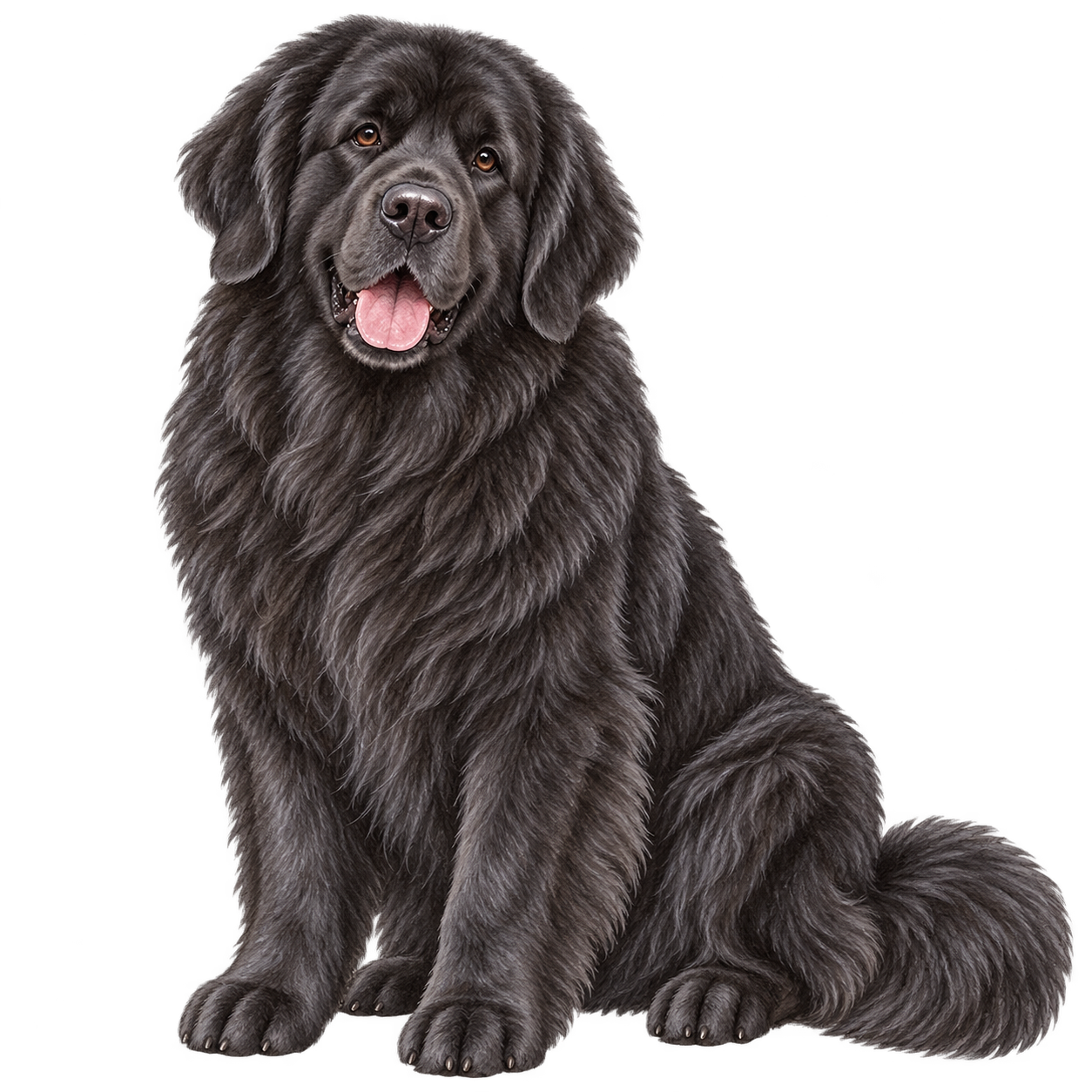
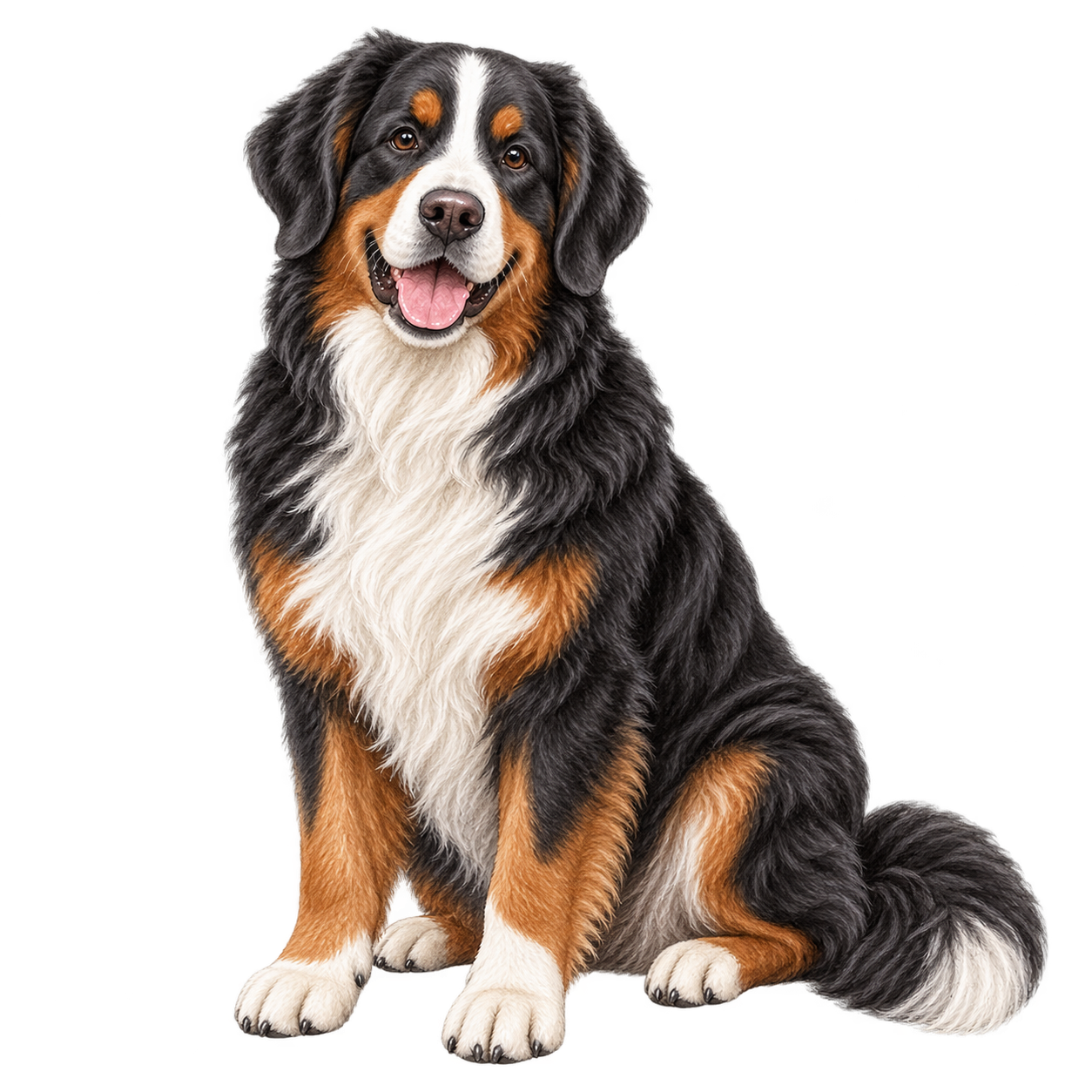
Similar breeds
Frequently asked questions
- Are Saint Bernards good family dogs?
- Yes — they are gentle and patient, but large, drooly and heat-sensitive.
- Do Saint Bernards drool a lot?
- Yes, especially after eating and drinking.
- How long do Saint Bernards live?
- Typically 8–10 years.