Working group
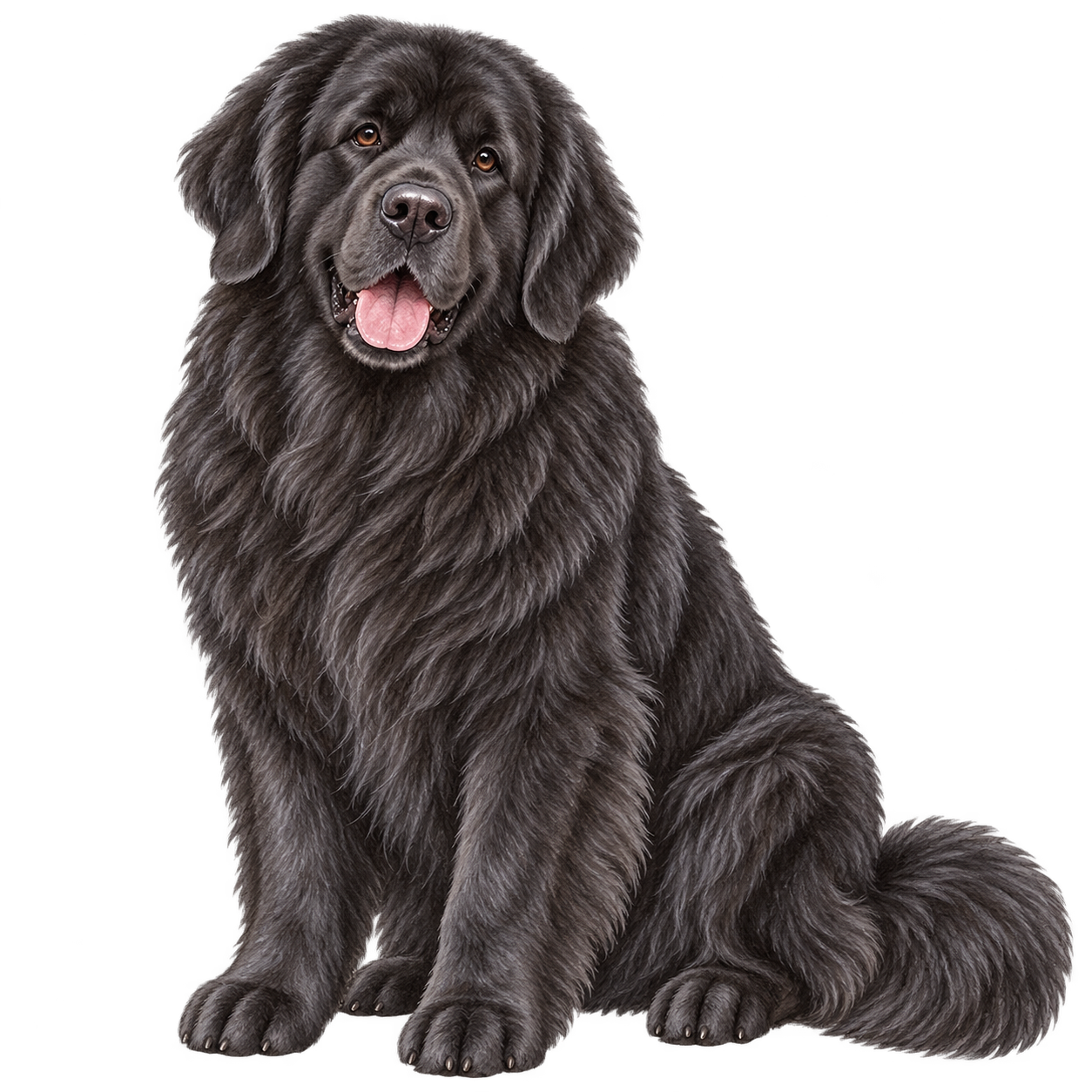
Newfoundland
A gentle, heroic water dog — sweet-natured, patient and huge.
Newfoundlands are massive working dogs famed for their gentle temperament and water-rescue instinct. They are superb with children, but their size, drool, shedding and health needs make them a big commitment.
- Height
- 26–28 in66–71 cm
- Weight
- 100–150 lb45–68 kg
- Life expectancy
- 9–10 years
- Size
- Giant
- Group
- Working
- Origin
- Newfoundland, Canada
Coat: Heavy, water-resistant double coat. Colours: Black, Brown, Grey, White and black (Landseer).
At a glance
Ratings describe typical dogs of the breed on a 1–5 scale. Individual dogs vary with lines, upbringing and training.
Temperament
Newfies are sweet, patient and devoted — the breed standard itself calls sweetness of temperament the hallmark of the breed. They are famously gentle with children and friendly with people and other animals.
They are calm indoors but need company and do not thrive when isolated. Puppies are clumsy and grow quickly, so early training in manners matters.
Living with a Newfoundland
Exercise
Moderate: 30–60 minutes of walking daily, plus swimming if possible. Avoid heat and hard exercise in puppies.
Grooming
Brush several times a week, daily during sheds. Expect lots of hair and drool — keep towels handy.
Training
Gentle and eager to please; reward-based training works well. Start manners early because of their size.
Kids & other pets
Outstanding with children and other pets — often described as a natural nanny. Their size means toddlers can still be bowled over by accident.
Time alone
Newfies prefer company; long absences can lead to sadness or destructive behaviour.
Home fit
Best suited to a house with secure outdoor space; apartment living is hard on this breed and its neighbours.
Is a Newfoundland right for you?
Take the Breed Fit quiz to see how a Newfoundland matches your home, schedule and tolerance for shedding, barking and exercise — or find out which breed matches your personality with Dogsona.
Health
With good breeding and care, a Newfoundland typically lives 9–10 years. These are the conditions most associated with the breed — not a prediction for any individual dog.
Subvalvular aortic stenosis (SAS)
An inherited heart defect; cardiologist screening of parents is essential.
Hip and elbow dysplasia
Common in giant breeds; screened parents and slow, controlled puppy growth reduce the risk.
Cystinuria
An inherited disorder causing bladder stones; DNA testing is available.
Dilated cardiomyopathy
A heart muscle disease seen in the breed.
Cranial cruciate ligament tears
Heavy dogs are prone to knee injuries.
Ask a breeder for
- Hip and elbow evaluation
- Cardiac examination by a cardiologist
- DNA test for cystinuria
Sources: OFA CHIC breed requirements: Newfoundland; Newfoundland Club of America. This is general information, not veterinary advice — talk to your vet about your own dog.
Cost to own
After the first year, expect roughly $2,000–$4,000 a year for food, routine vet care, preventives, insurance and supplies (US estimate).
- Professional grooming every 6–8 weeks adds roughly $500–$900 a year.
- Food, medication and anaesthesia are dosed by weight, so every vet visit costs more for a big dog.
- Pet insurance for a puppy typically runs $30–$60 a month; premiums rise with age and breed risk.
History
Newfoundlands developed on the island of Newfoundland as working dogs for fishermen, hauling nets, pulling carts and rescuing people from the water. Their ancestry likely includes native dogs and European breeds brought by fishermen.
The breed became famous for sea rescues and accompanied explorers — a Newfoundland named Seaman travelled with Lewis and Clark. The AKC recognised the breed in 1886.
Did you know?
- Nana, the nursemaid in Peter Pan, is a Newfoundland.
- Newfies have webbed feet and a rudder-like tail for swimming.
- Italian water-rescue schools train Newfoundlands to jump from helicopters.
Library guides for Newfoundland owners
Grooming
Brushing
Newfoundland coats mat without regular brushing.
Grooming
Bathing
How to bath a Newfoundland without drying out the coat.
Training
Heel and Loose-Leash Walking
A strong Newfoundland needs loose-lead manners early.
Grooming
Ear Cleaning
Ear care matters for this coat and ear type.
Exercise & Play
Dog Walking
Getting daily walks right for a Newfoundland.
Grooming
Nail Clipping
Every dog needs regular nail care.
Similar breeds
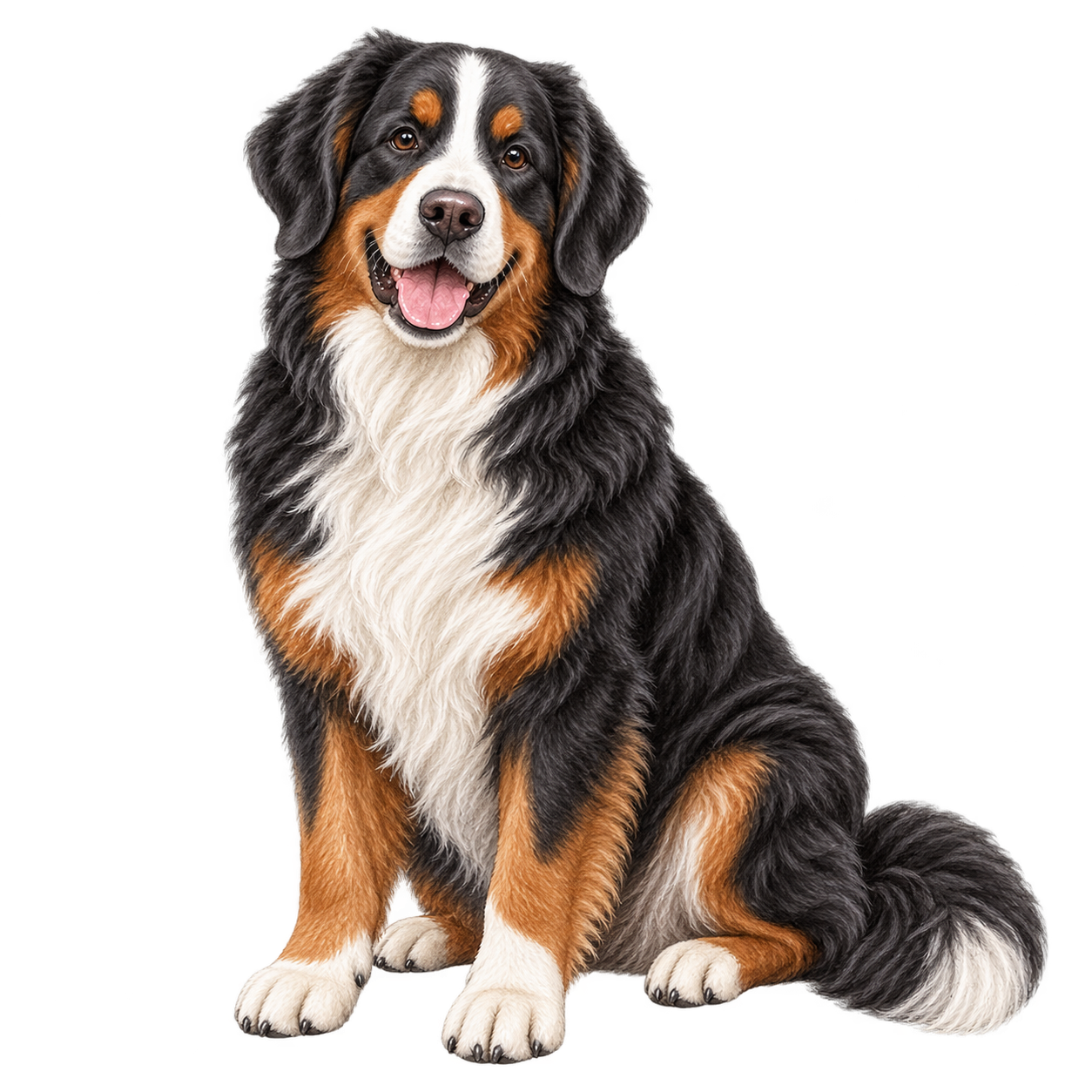
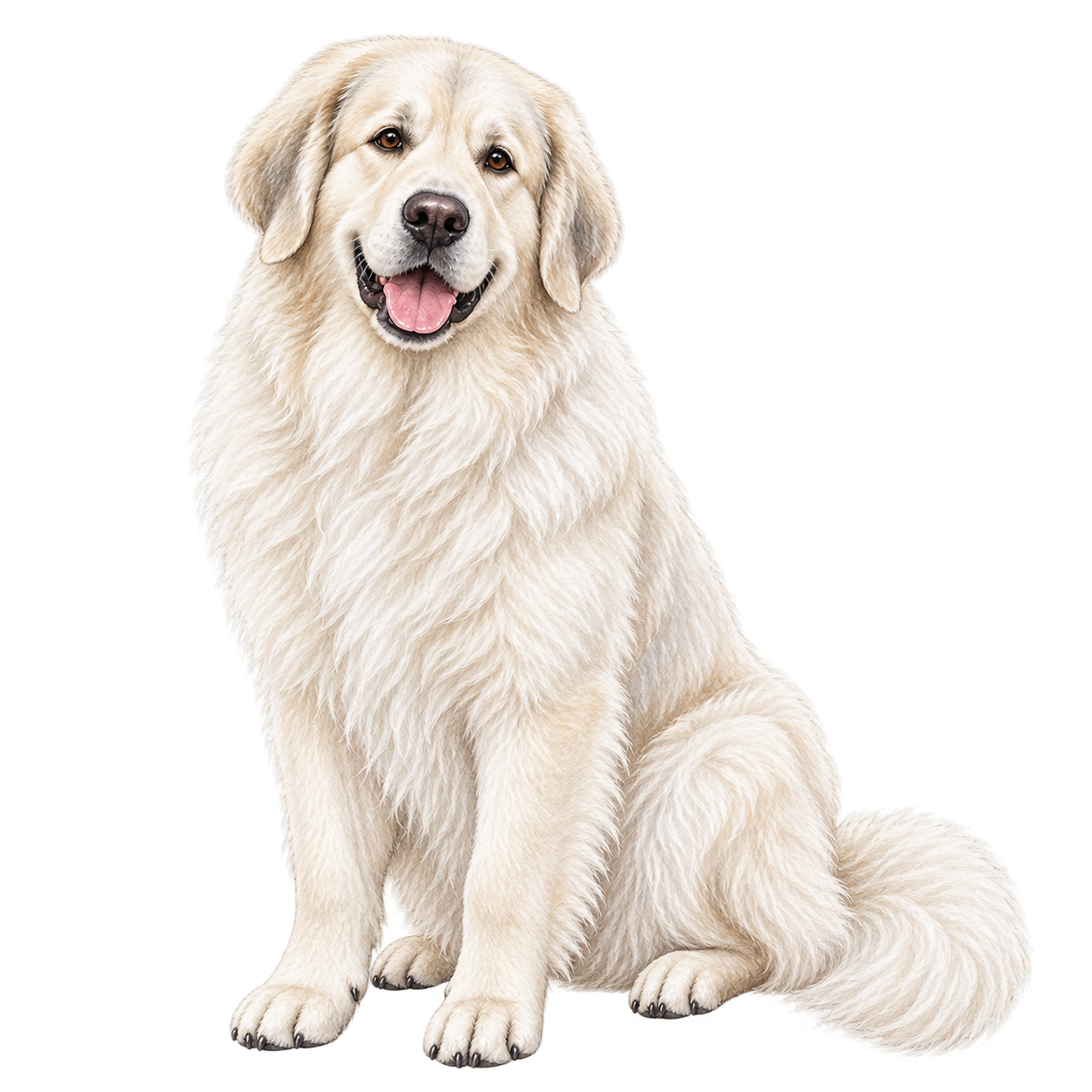
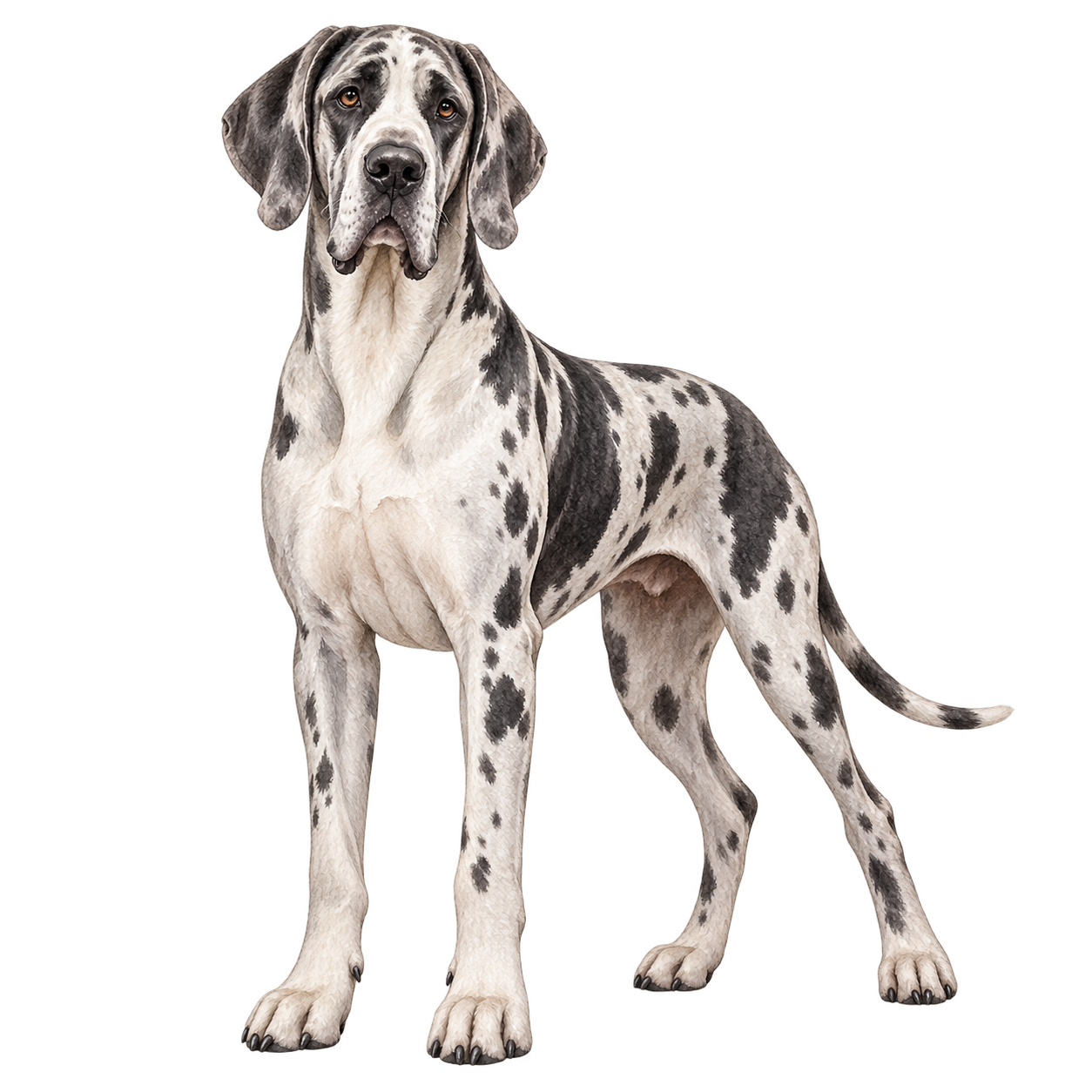
Frequently asked questions
- Are Newfoundlands good family dogs?
- Yes — they are among the gentlest breeds with children.
- Do Newfoundlands drool?
- Yes, a lot. Keep drool cloths handy.
- Can Newfoundlands live in hot climates?
- They struggle in heat and need air conditioning and shade.