Working group
Leonberger
A lion-maned gentle giant — calm, sociable and devoted to family life.
Leonbergers are huge, elegant family and working dogs with a lion-like mane and a famously gentle temperament. They are patient with children and friendly with most people, but their size, shedding and health risks need planning.
- Height
- 25.5–31.5 in65–80 cm
- Weight
- 90–170 lb41–77 kg
- Life expectancy
- 7–10 years
- Size
- Giant
- Group
- Working
- Origin
- Leonberg, Germany
Coat: Medium-to-long, water-resistant double coat with a lion-like mane. Colours: Lion-yellow, Red, Red-brown, Sand, With a black mask.
At a glance
Ratings describe typical dogs of the breed on a 1–5 scale. Individual dogs vary with lines, upbringing and training.
Temperament
Leonbergers are calm, friendly and adaptable. They love their families, are patient with children and generally welcome visitors. Many enjoy water and gentle outdoor activities.
They are sensitive and want to be involved in family life. Puppies are boisterous and grow fast, so early training in lead manners and polite greetings is essential for a dog this large.
Living with a Leonberger
Exercise
About an hour a day of walks, hikes and swimming. Avoid long runs and jumping until growth finishes at around two years.
Grooming
Brush several times a week and daily during heavy sheds. Expect lots of hair, some drool and muddy paws.
Training
Willing and sensitive; reward-based training works well. Start socialisation and lead training early.
Kids & other pets
Excellent with children and other dogs, though adolescents can knock over small kids by accident.
Time alone
Leos are people dogs and dislike long isolation; they need space and company to thrive.
Home fit
Best suited to a house with secure outdoor space; apartment living is hard on this breed and its neighbours.
Is a Leonberger right for you?
Take the Breed Fit quiz to see how a Leonberger matches your home, schedule and tolerance for shedding, barking and exercise — or find out which breed matches your personality with Dogsona.
Health
With good breeding and care, a Leonberger typically lives 7–10 years. These are the conditions most associated with the breed — not a prediction for any individual dog.
Leonberger polyneuropathy
Inherited nerve disease causing weakness and breathing changes; DNA tests (LPN1, LPN2) are available.
Leukoencephalomyelopathy
A neurological disease affecting coordination; a DNA test identifies at-risk dogs.
Hip and elbow dysplasia
Screened parents and slow growth reduce the risk.
Cancer
Osteosarcoma and haemangiosarcoma are common causes of death.
Gastric dilatation-volvulus (bloat)
A deep-chested giant breed at risk; learn the warning signs.
Ask a breeder for
- Hip and elbow evaluation
- Eye examination
- Thyroid evaluation
- DNA tests: LPN1, LPN2 and LEMP
Sources: OFA CHIC breed requirements: Leonberger; Leonberger Club of America. This is general information, not veterinary advice — talk to your vet about your own dog.
Cost to own
After the first year, expect roughly $2,000–$4,000 a year for food, routine vet care, preventives, insurance and supplies (US estimate).
- Food, medication and anaesthesia are dosed by weight, so every vet visit costs more for a big dog.
- Pet insurance for a puppy typically runs $30–$60 a month; premiums rise with age and breed risk.
History
In the 1840s Heinrich Essig, mayor of Leonberg in southern Germany, set out to create a dog resembling the lion on the town’s crest. He crossed Newfoundlands, Saint Bernards and Great Pyrenees.
Leonbergers became fashionable with European royalty and worked as farm and draft dogs. The breed nearly vanished during both World Wars and was rebuilt from a handful of dogs. The AKC recognised it in 2010.
Did you know?
- The breed was created to resemble the lion on the Leonberg town crest.
- Empress Elisabeth of Austria and Napoleon III reportedly owned Leonbergers.
- Leonbergers have webbed feet and love to swim.
Library guides for Leonberger owners
Grooming
Brushing
A brushing routine keeps Leonberger shedding under control.
Grooming
Bathing
How to bath a Leonberger without drying out the coat.
Training
Heel and Loose-Leash Walking
A strong Leonberger needs loose-lead manners early.
Exercise & Play
Tug of War
An energy outlet that also builds impulse control.
Grooming
Ear Cleaning
Ear care matters for this coat and ear type.
Exercise & Play
Dog Walking
Getting daily walks right for a Leonberger.
Similar breeds
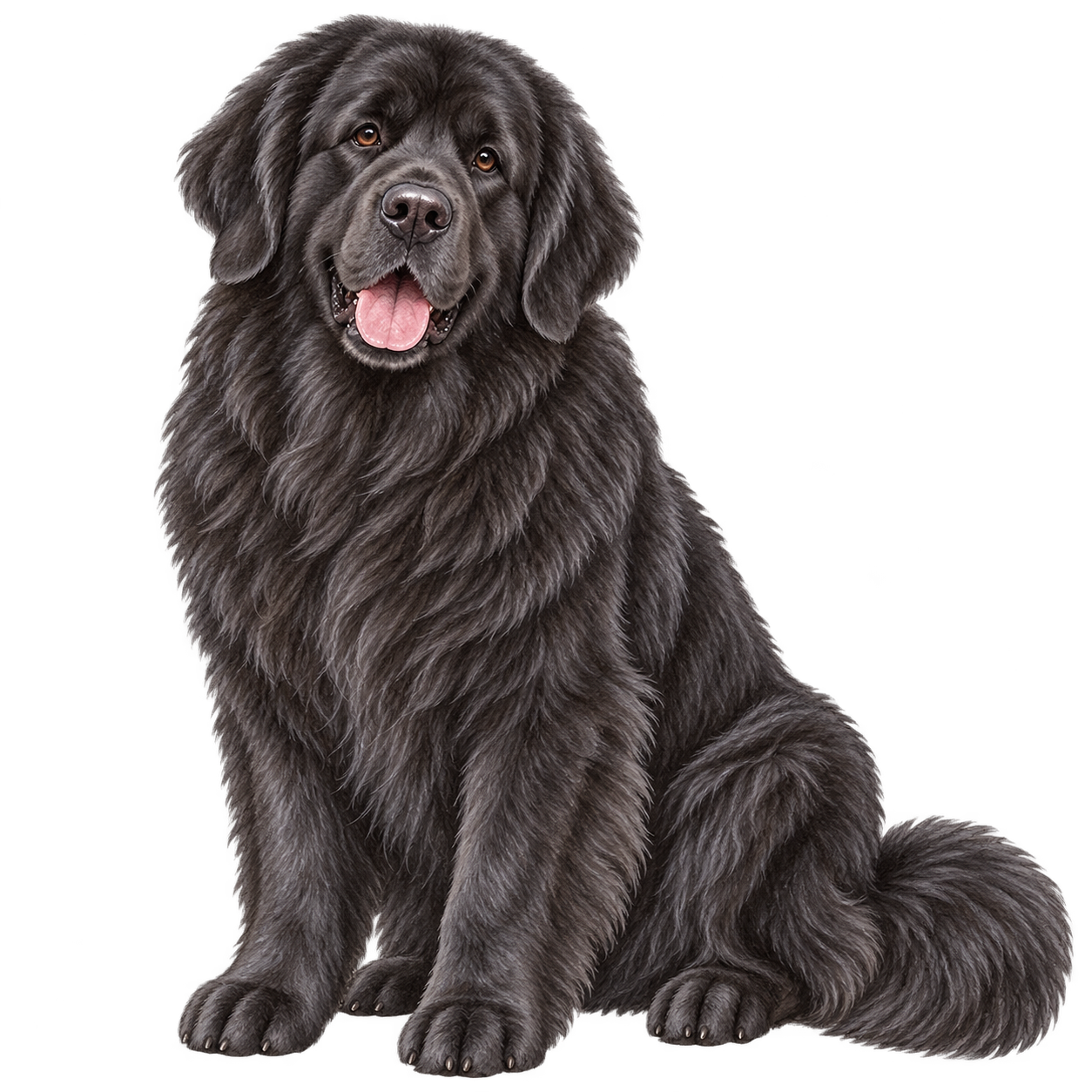
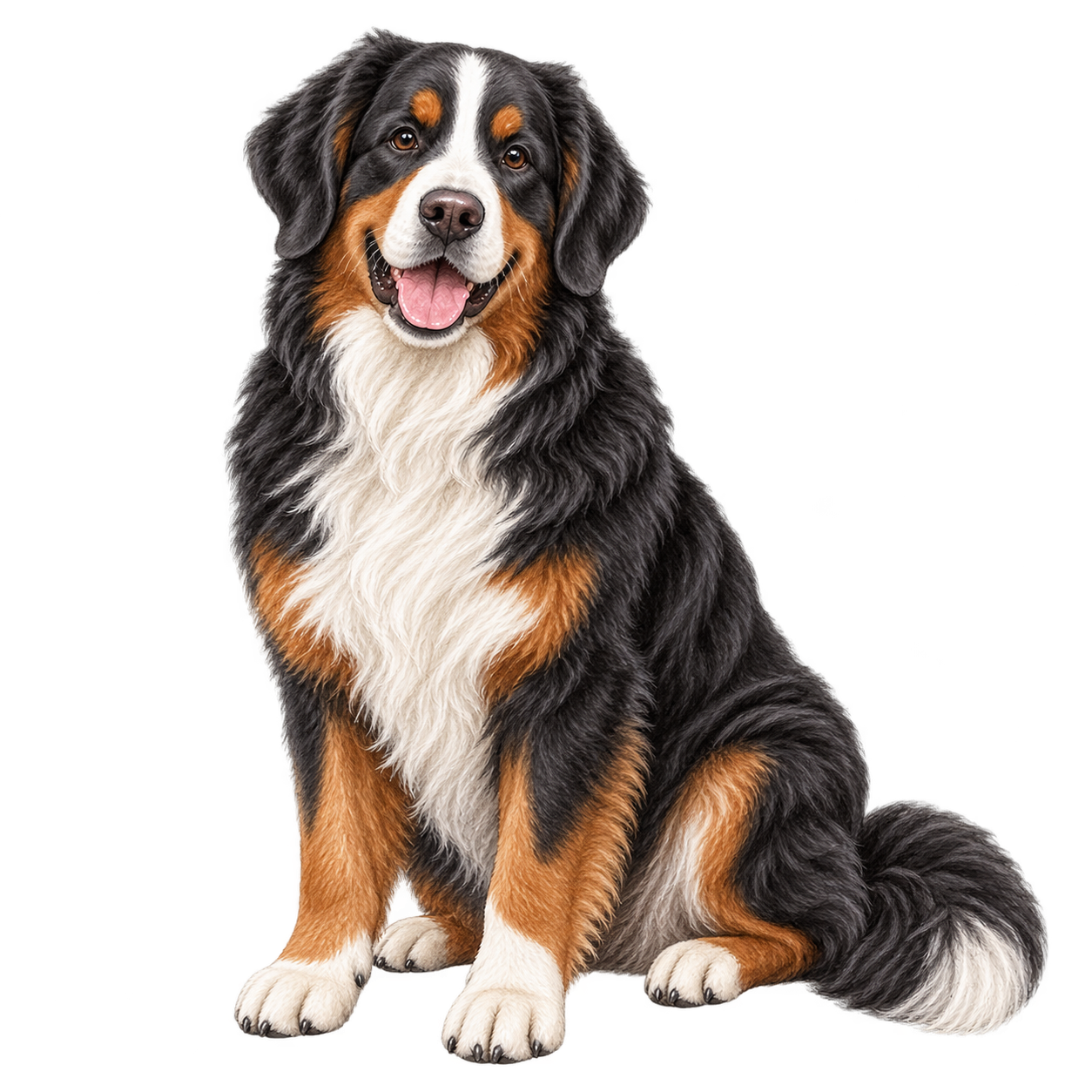
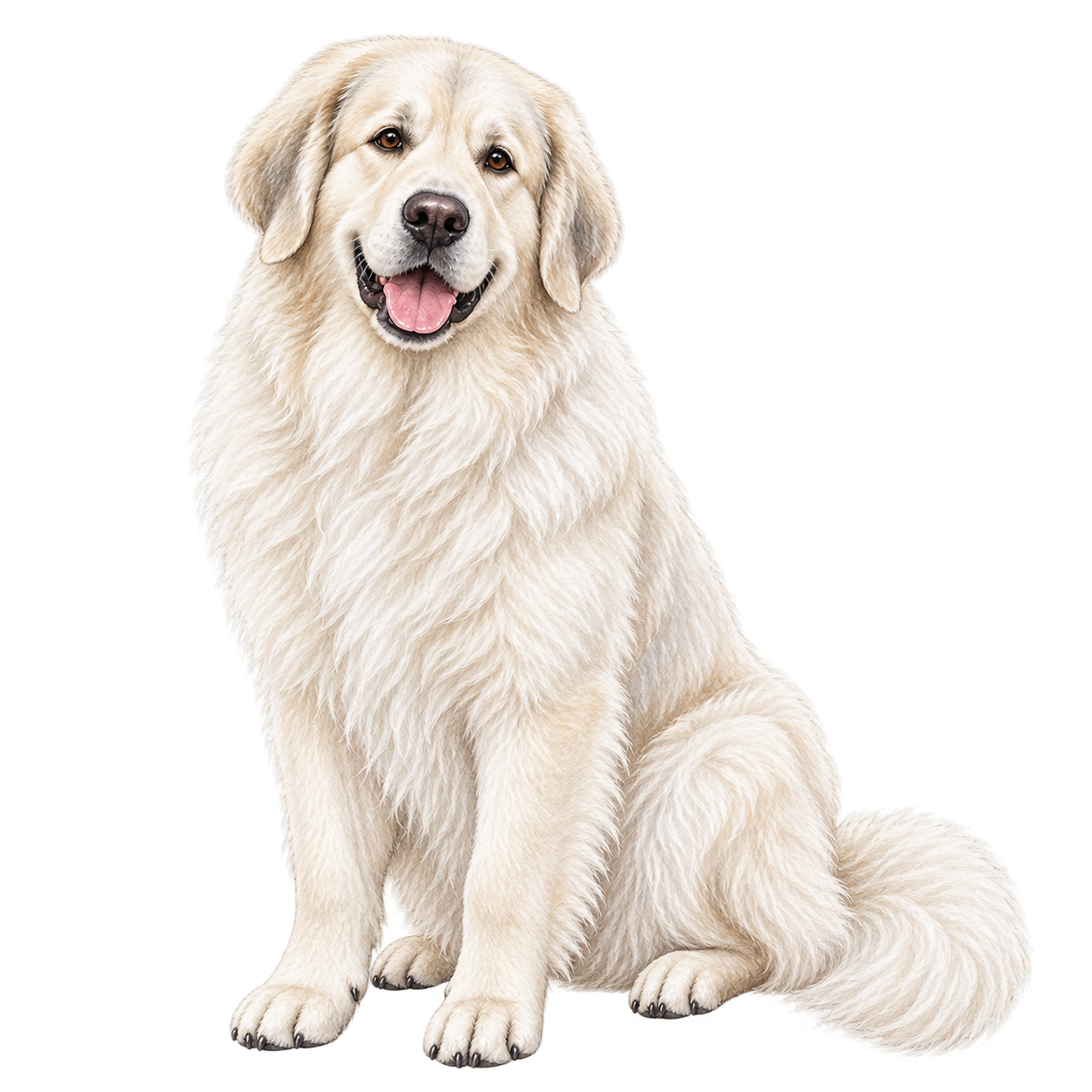
Frequently asked questions
- Are Leonbergers good family dogs?
- Yes — they are gentle and patient, but huge, hairy and short-lived.
- Do Leonbergers shed a lot?
- Yes, heavily, especially during seasonal sheds.
- How long do Leonbergers live?
- Typically 7–10 years.