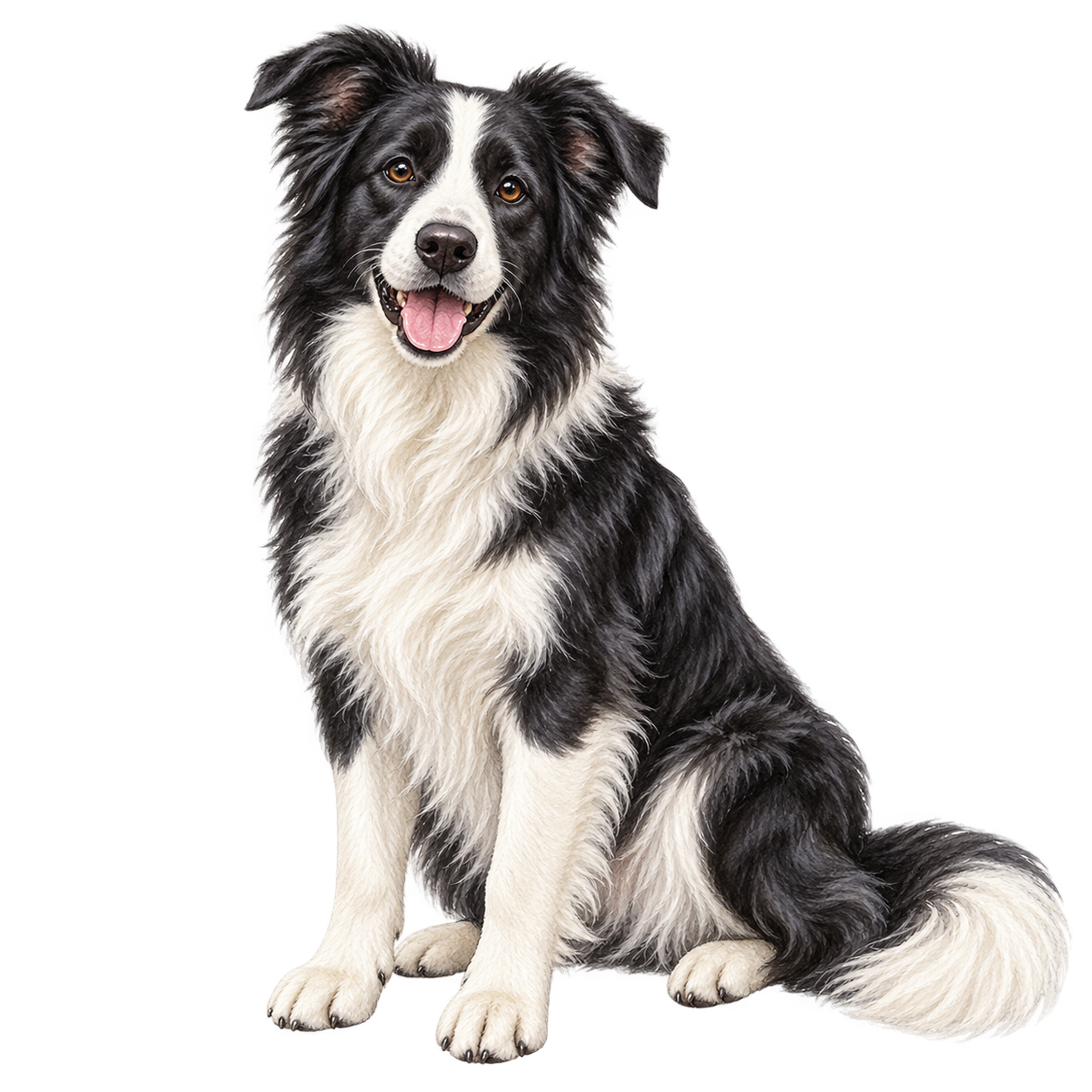
Herding group
Border Collie
The workaholic genius of the dog world — brilliant, intense and tireless.
Border Collies are widely considered the most intelligent and trainable dogs. They were bred to herd sheep all day with precision, and without daily physical and mental work they can become anxious, obsessive or destructive.
- Height
- 18–22 in46–56 cm
- Weight
- 30–55 lb14–25 kg
- Life expectancy
- 12–15 years
- Size
- Medium
- Group
- Herding
- Origin
- Anglo-Scottish border
Coat: Rough (medium) or smooth (short) double coat. Colours: Black and white, Red and white, Blue merle, Tricolour, Sable.
At a glance
Ratings describe typical dogs of the breed on a 1–5 scale. Individual dogs vary with lines, upbringing and training.
Temperament
Border Collies are focused, sensitive and intensely responsive to their handler. They learn remarkably quickly — good and bad habits alike — and excel in herding, agility, obedience and nearly any sport. Many are affectionate with family and reserved with strangers.
The herding instinct shows up as staring, stalking, circling and nipping at moving things: children, bikes, cars, other dogs. Some are noise-sensitive. A bored Border Collie often develops compulsive behaviours like shadow-chasing or spinning.
Living with a Border Collie
Exercise
Needs two hours or more of activity a day, with real mental work: training, herding, agility, scent work or disc. A walk around the block is not enough.
Grooming
Brush rough coats weekly and more during sheds; smooth coats need less. Moderate to heavy shedding.
Training
Extremely trainable and eager to work. Teach impulse control and an “off switch” early, and redirect herding behaviour onto toys and sports.
Kids & other pets
Loyal and affectionate but may herd and nip young children. Usually good with other dogs; can fixate on cats.
Time alone
Poorly suited to long days alone. Without enough work they invent their own — often destructive — jobs.
Home fit
Best suited to a house with secure outdoor space; apartment living is hard on this breed and its neighbours.
Is a Border Collie right for you?
Take the Breed Fit quiz to see how a Border Collie matches your home, schedule and tolerance for shedding, barking and exercise — or find out which breed matches your personality with Dogsona.
Health
With good breeding and care, a Border Collie typically lives 12–15 years. These are the conditions most associated with the breed — not a prediction for any individual dog.
Collie eye anomaly (CEA)
An inherited eye defect detectable by DNA testing and puppy eye exams.
Hip dysplasia
Screened parents lower the risk.
Epilepsy
Inherited epilepsy occurs in the breed.
Trapped neutrophil syndrome and neuronal ceroid lipofuscinosis
Rare but serious inherited diseases; DNA tests are available.
Border Collie collapse
Episodes of disorientation and weakness after intense exercise.
Ask a breeder for
- Hip evaluation
- Eye examination
- DNA tests: CEA, TNS, NCL, MDR1
Sources: OFA CHIC breed requirements: Border Collie; Border Collie Society of America. This is general information, not veterinary advice — talk to your vet about your own dog.
Cost to own
After the first year, expect roughly $1,200–$2,500 a year for food, routine vet care, preventives, insurance and supplies (US estimate).
- Pet insurance for a puppy typically runs $30–$60 a month; premiums rise with age and breed risk.
History
Herding dogs have worked the hill country between England and Scotland for centuries. The modern breed is traced to a dog called Old Hemp, born in Northumberland in 1893, whose calm, powerful working style made him a sought-after sire.
The International Sheep Dog Society, founded in 1906, bred for working ability rather than appearance, and working trials still shape the breed. The AKC recognised the Border Collie in 1995.
Did you know?
- A Border Collie named Chaser learned the names of 1,022 toys.
- Working Border Collies respond to whistle commands across hundreds of metres.
- The breed standard was historically based on herding ability, not looks.
Library guides for Border Collie owners
Grooming
Brushing
A brushing routine keeps Border Collie shedding under control.
Training
Come (Recall)
High chase drive makes a reliable recall essential.
Exercise & Play
Fetch
A fast way to meet a high exercise need.
Exercise & Play
Dog Road Work
Structured conditioning for high-stamina dogs.
Exercise & Play
Hide and Seek
Brain work that tires busy minds.
Training
Place / Go to Mat
Teaching a settle helps dogs that struggle to switch off.
Similar breeds
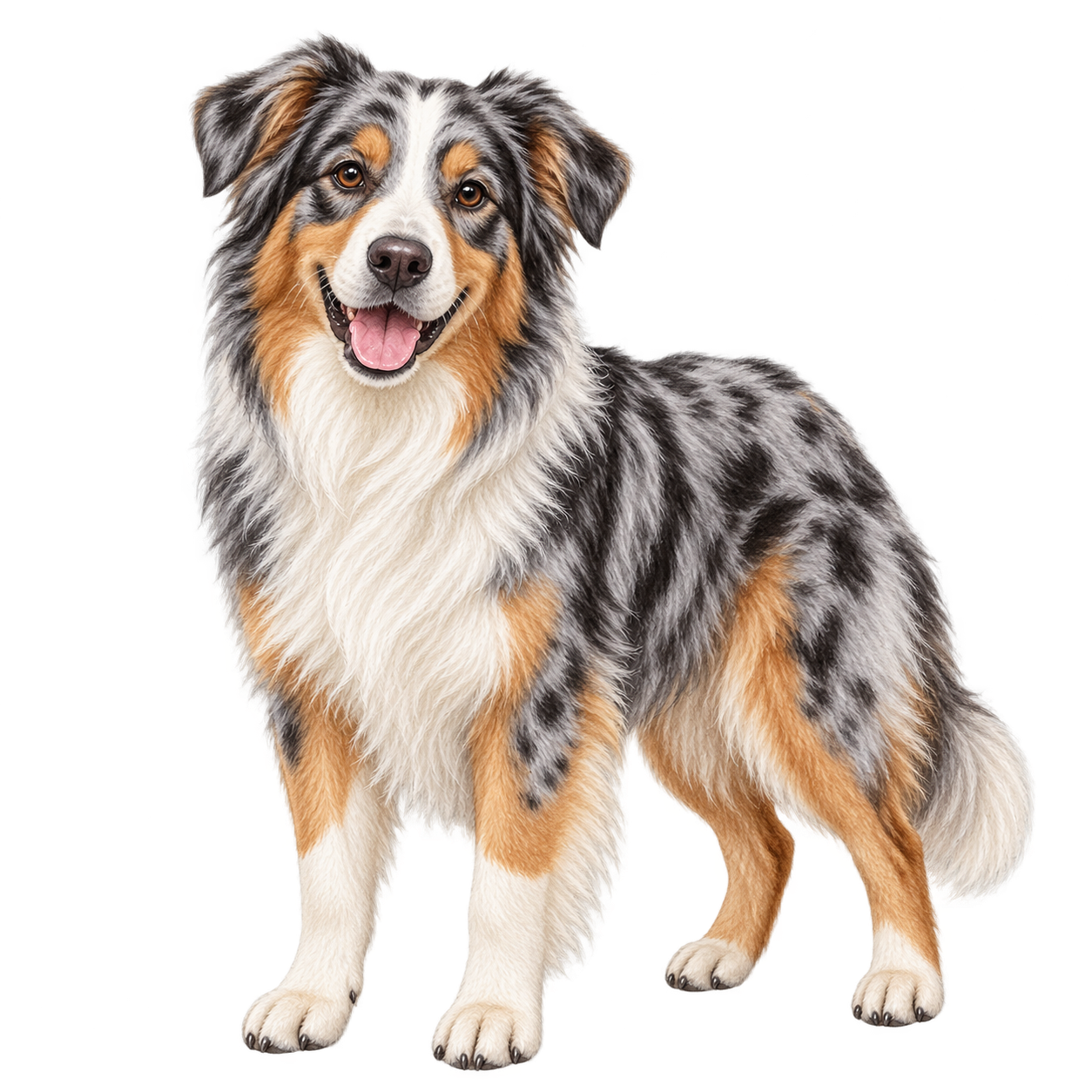
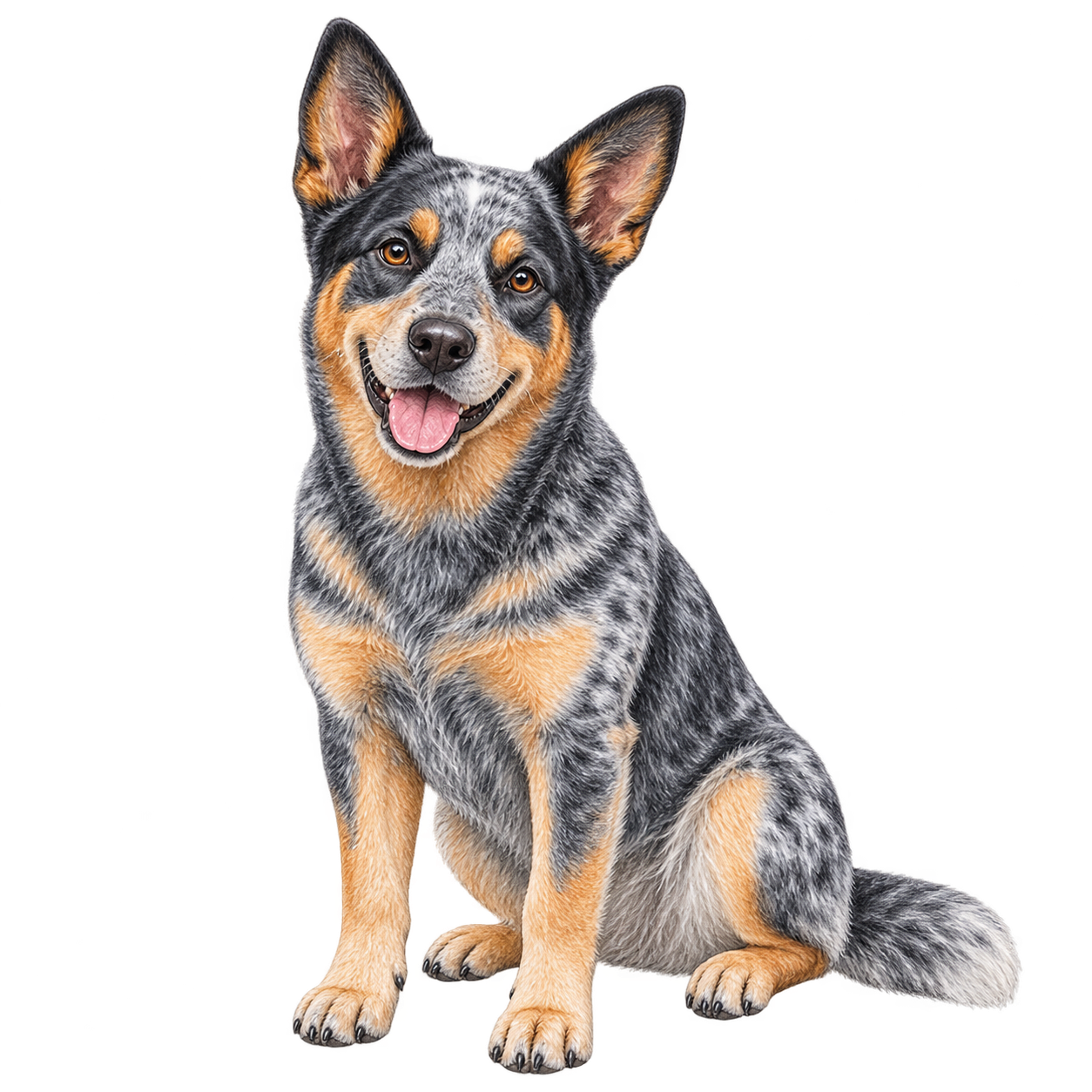
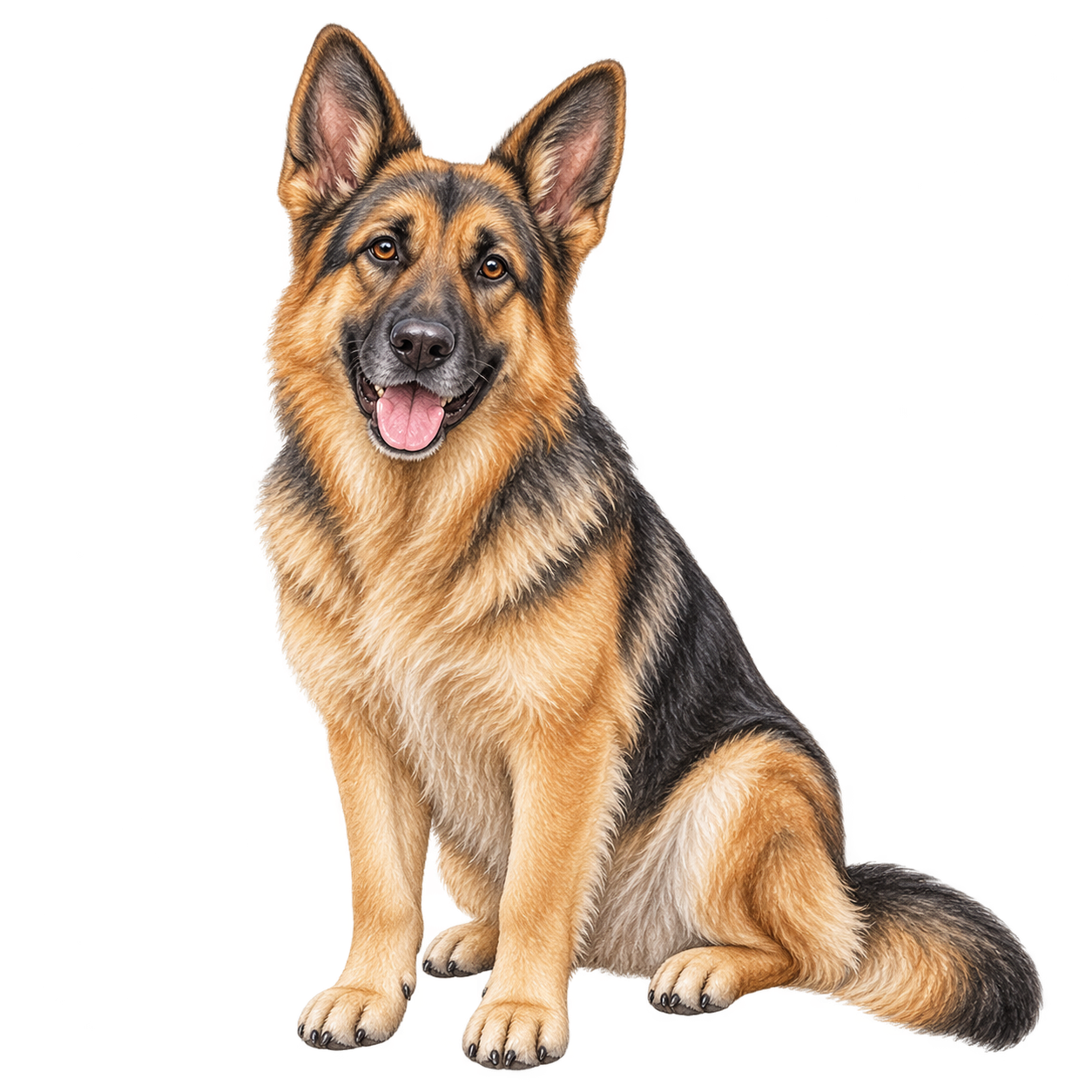
Frequently asked questions
- Are Border Collies good family pets?
- Only for very active families who can provide daily work. They struggle in quiet, sedentary homes.
- Are Border Collies the smartest dog breed?
- They consistently top working-intelligence rankings, learning new commands faster than other breeds.
- Can a Border Collie live in an apartment?
- It is difficult. They need extensive daily exercise and mental work; most do best with space and a job.