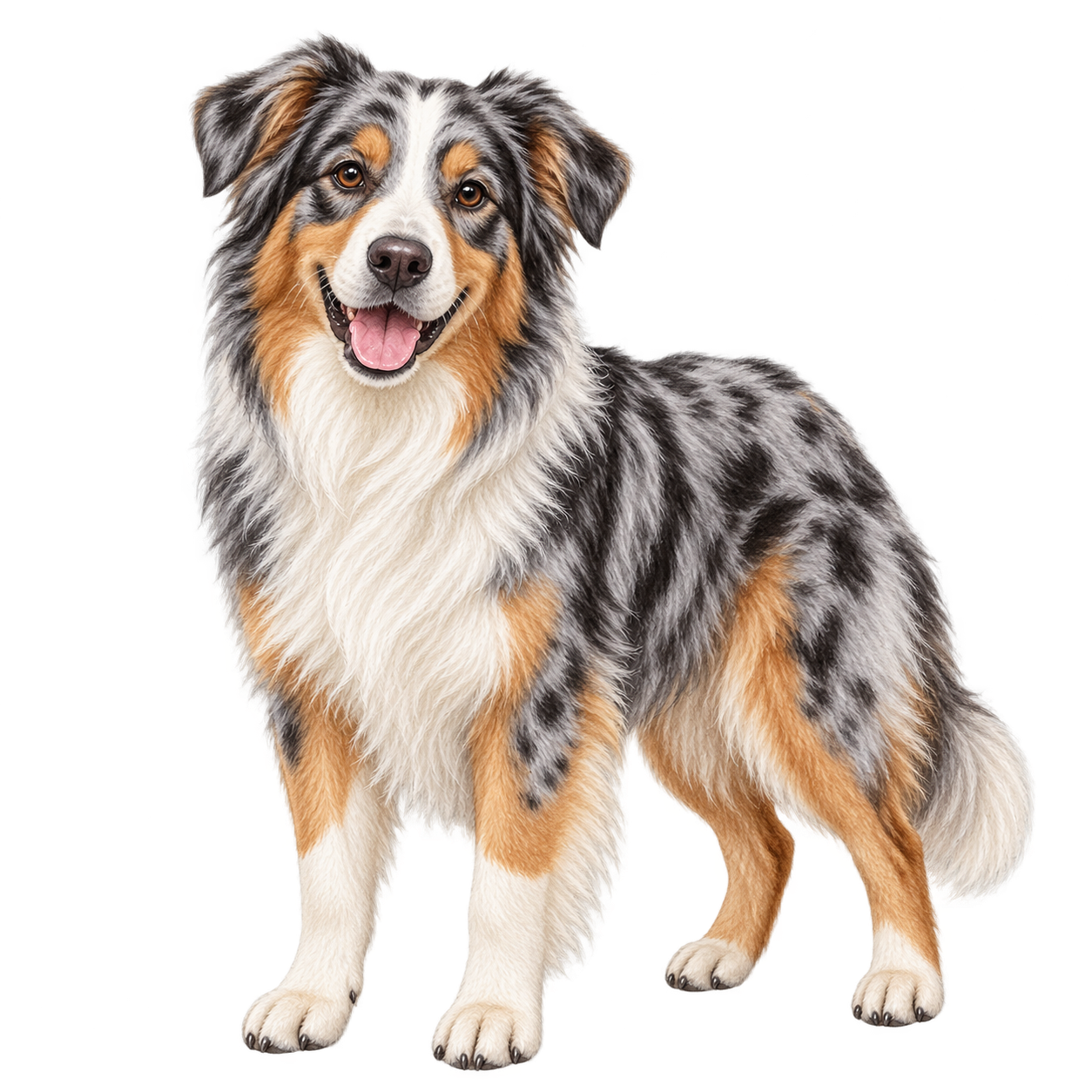
Herding group
Australian Shepherd
Brilliant, athletic and people-focused — a herding dog that needs a job.
Australian Shepherds are energetic, highly intelligent herding dogs that bond closely with their families. They excel at training and dog sports but need substantial daily exercise and mental work to stay balanced.
- Height
- 18–23 in46–58 cm
- Weight
- 40–65 lb18–29 kg
- Life expectancy
- 12–15 years
- Size
- Medium
- Group
- Herding
- Origin
- Western United States
Coat: Medium-length, weather-resistant double coat. Colours: Blue merle, Red merle, Black, Red, With or without white and tan markings.
At a glance
Ratings describe typical dogs of the breed on a 1–5 scale. Individual dogs vary with lines, upbringing and training.
Temperament
Aussies are affectionate, playful and eager to work with their people. They are often reserved with strangers and can be protective. Their intelligence and biddability make them outstanding in agility, obedience, herding and trick training.
They were bred to think for themselves and move livestock, so an under-occupied Aussie will herd children, chase cars or invent destructive hobbies. Many are sensitive to noise and change. Early socialisation helps prevent wariness from turning into fearfulness.
Living with a Australian Shepherd
Exercise
At least 90 minutes of activity a day, including off-lead running where safe, plus daily training or puzzle work. Ideal for hiking, agility and herding.
Grooming
Brush weekly, more during seasonal sheds. Check behind the ears and the “pants” for mats. Moderate to heavy shedding.
Training
Learns quickly and loves a task. Teach an “off switch” (settling on a mat) as deliberately as tricks. Reward-based training suits their sensitivity.
Kids & other pets
Devoted to family and good with respectful children, though herding nips need redirecting. Usually good with other dogs; supervise with cats.
Time alone
Prefers to be with people. Long days alone lead to barking and destruction; plan for dog walkers or daycare.
Home fit
Best suited to a house with secure outdoor space; apartment living is hard on this breed and its neighbours.
Is a Australian Shepherd right for you?
Take the Breed Fit quiz to see how a Australian Shepherd matches your home, schedule and tolerance for shedding, barking and exercise — or find out which breed matches your personality with Dogsona.
Health
With good breeding and care, a Australian Shepherd typically lives 12–15 years. These are the conditions most associated with the breed — not a prediction for any individual dog.
Hip and elbow dysplasia
Screen parents and avoid excessive high-impact exercise in puppies.
MDR1 drug sensitivity
A gene mutation makes some Aussies react severely to ivermectin and other drugs. Test your dog and tell your vet.
Epilepsy
Inherited epilepsy occurs in the breed and is usually managed with medication.
Hereditary cataracts and collie eye anomaly
Eye conditions detectable by exam and DNA tests (HSF4, CEA).
Double-merle defects
Breeding two merles produces puppies at high risk of deafness and blindness; reputable breeders never do it.
Ask a breeder for
- Hip and elbow evaluation
- Annual eye examination
- DNA tests: MDR1, HSF4 cataract, CEA, prcd-PRA
Sources: OFA CHIC breed requirements: Australian Shepherd; Australian Shepherd Health & Genetics Institute. This is general information, not veterinary advice — talk to your vet about your own dog.
Cost to own
After the first year, expect roughly $1,200–$2,500 a year for food, routine vet care, preventives, insurance and supplies (US estimate).
- Pet insurance for a puppy typically runs $30–$60 a month; premiums rise with age and breed risk.
History
Despite the name, the breed was developed in the American West. Its ancestors likely came with Basque shepherds who travelled via Australia in the 1800s, and the dogs were named after the Australian flocks they arrived with. Western ranchers refined them for versatility across sheep and cattle work.
The Aussie became popular through post-war rodeos, horse shows and films. The Australian Shepherd Club of America formed in 1957, and the AKC recognised the breed in 1993.
Did you know?
- Aussies often have striking odd-coloured or marbled eyes.
- Many are born with naturally bobbed tails.
- The Miniature American Shepherd was developed from small Australian Shepherds.
Library guides for Australian Shepherd owners
Grooming
Brushing
A brushing routine keeps Australian Shepherd shedding under control.
Grooming
Bathing
How to bath a Australian Shepherd without drying out the coat.
Exercise & Play
Fetch
A fast way to meet a high exercise need.
Exercise & Play
Dog Road Work
Structured conditioning for high-stamina dogs.
Exercise & Play
Hide and Seek
Brain work that tires busy minds.
Training
Place / Go to Mat
Teaching a settle helps dogs that struggle to switch off.
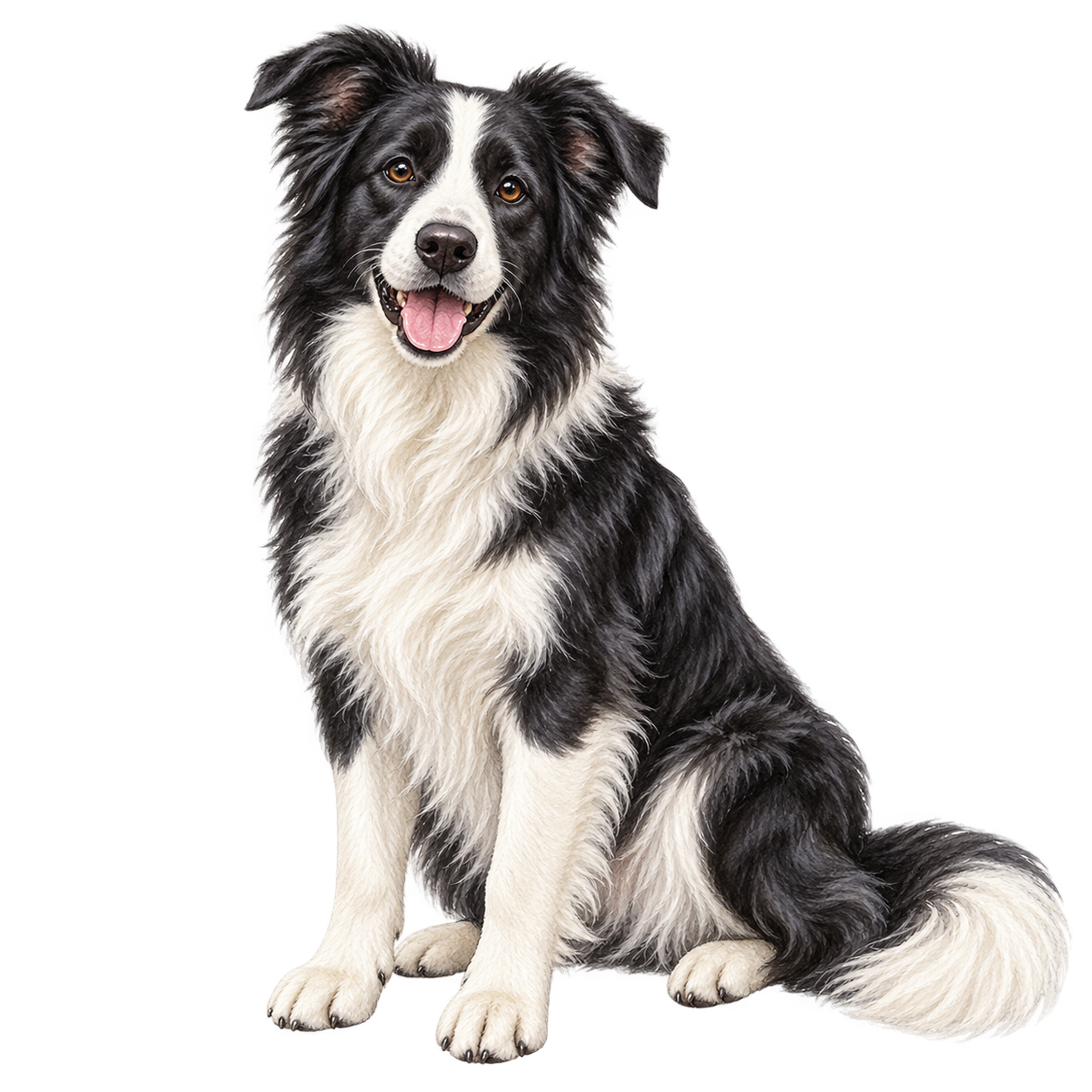
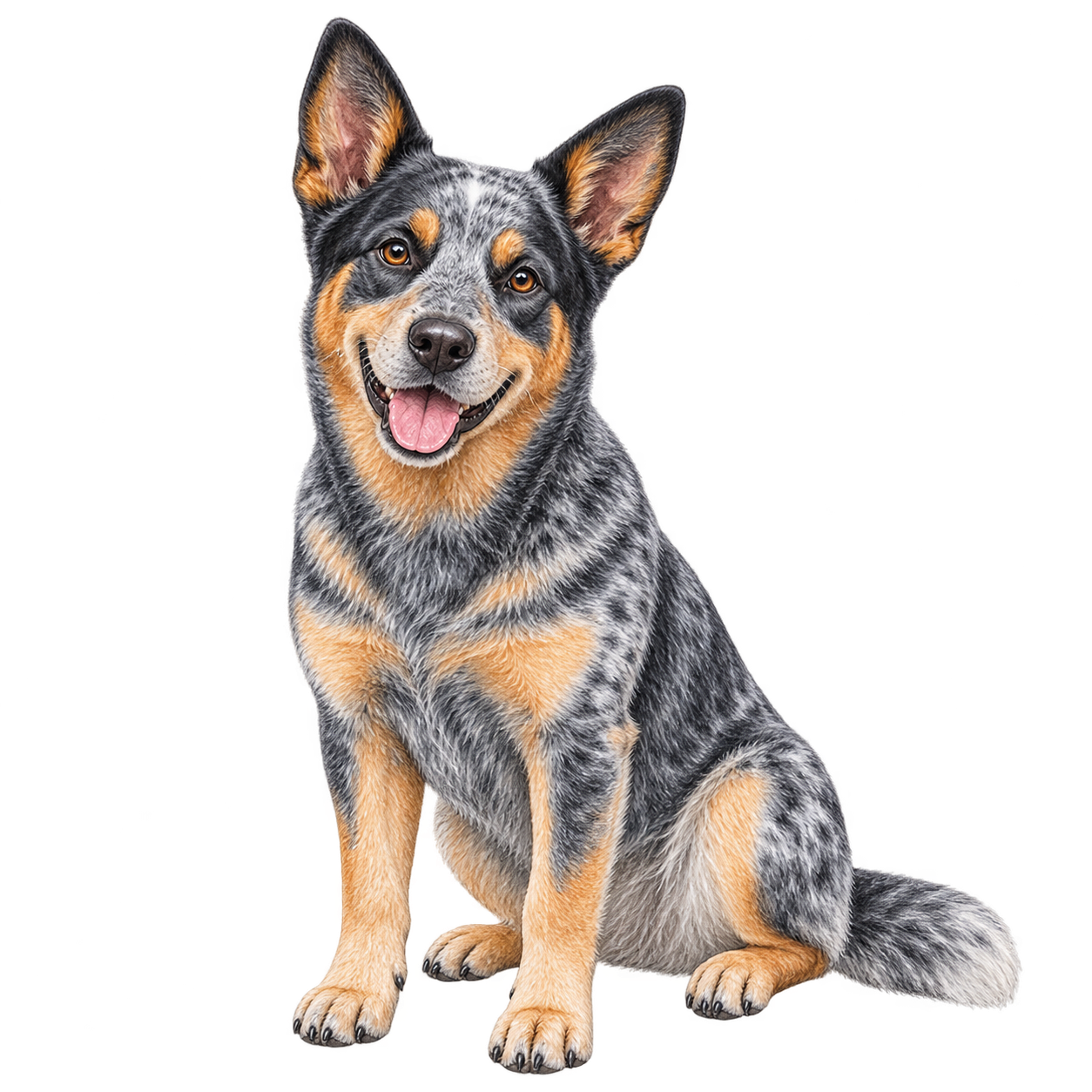
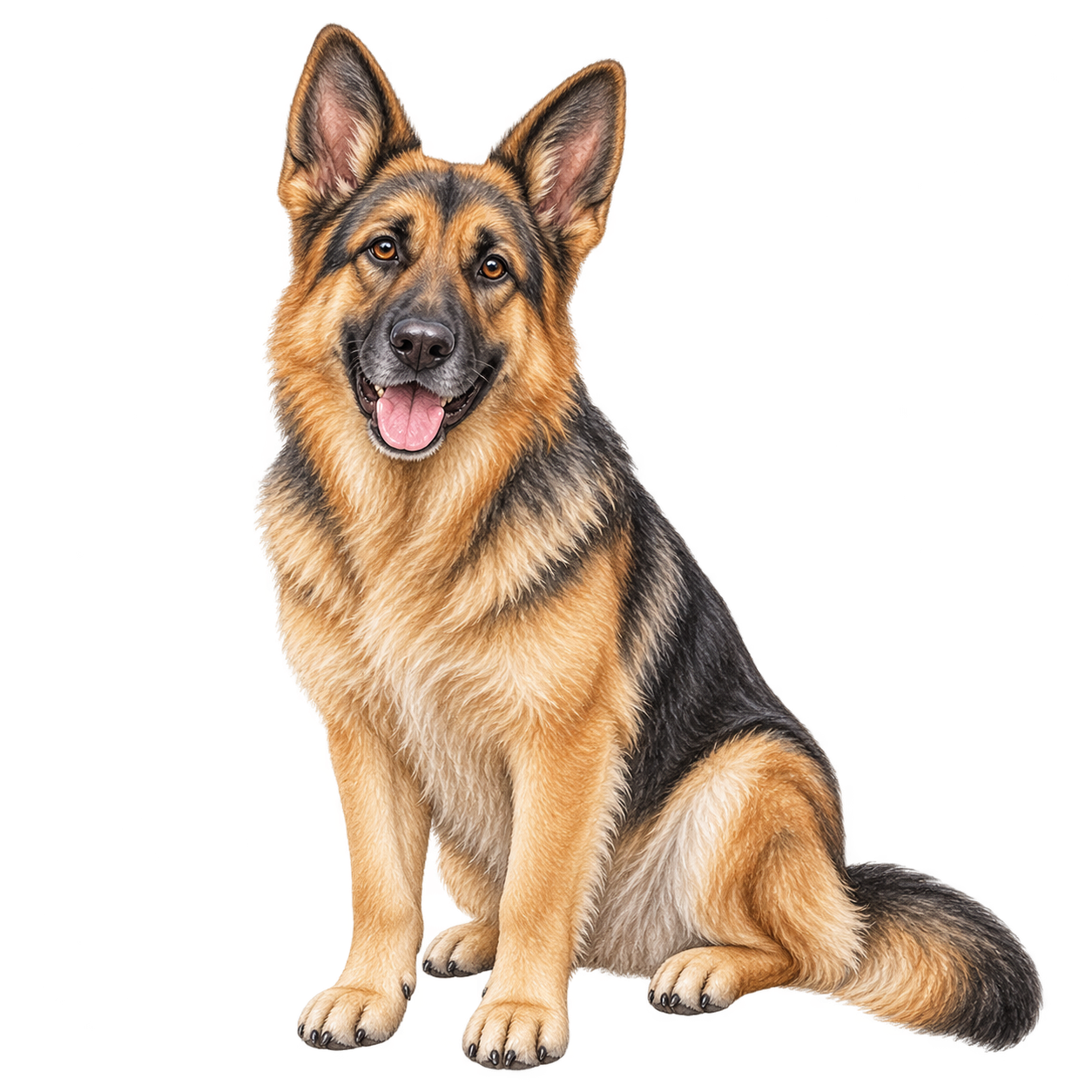
Similar breeds
Frequently asked questions
- Are Australian Shepherds good for first-time owners?
- Only for very active first-timers ready to train daily. Their energy and intelligence overwhelm many novice homes.
- Do Australian Shepherds shed?
- Yes, moderately year-round and heavily in spring and autumn.
- Can an Australian Shepherd live in an apartment?
- It is possible with exceptional daily exercise, but most thrive with outdoor space and a job.