Herding group
Pyrenean Shepherd
A tiny, tireless mountain herder — quick, clever and devoted to one person.
Pyrenean Shepherds are small, agile herding dogs from the French Pyrenees. They are intensely energetic, intelligent and loyal, often bonding with one person, and they need an active owner.
- Height
- 15.5–21 in39–53 cm
- Weight
- 15–30 lb7–14 kg
- Life expectancy
- 15–17 years
- Size
- Small
- Group
- Herding
- Origin
- Pyrenees Mountains, France
Coat: Rough-faced (long, shaggy) or smooth-faced (shorter) coat. Colours: Fawn, Grey, Merle, Brindle, Black.
At a glance
Ratings describe typical dogs of the breed on a 1–5 scale. Individual dogs vary with lines, upbringing and training.
Temperament
Pyr Sheps are lively, quick-witted and deeply attached to their people. They excel at agility and herding.
They are often wary of strangers and can be sensitive. Without daily exercise and a job, they become restless and vocal.
Varieties
- Rough-faced
- 15.5–18.5 in, with a shaggy coat and longer face hair.
- Smooth-faced
- 15.5–21 in, with shorter hair on the face and a lighter coat.
Living with a Pyrenean Shepherd
Exercise
Needs 90 minutes or more of vigorous daily exercise and mental work.
Grooming
Brush weekly; rough-faced coats may cord slightly if not brushed.
Training
Very trainable and quick; keep training varied and positive. Socialise early.
Kids & other pets
Loyal with their family; better with older children. Wary of strangers.
Time alone
Needs company and activity; boredom quickly leads to barking. Build alone time gradually.
Home fit
Best suited to a house with secure outdoor space; apartment living is hard on this breed and its neighbours.
Is a Pyrenean Shepherd right for you?
Take the Breed Fit quiz to see how a Pyrenean Shepherd matches your home, schedule and tolerance for shedding, barking and exercise — or find out which breed matches your personality with Dogsona.
Health
With good breeding and care, a Pyrenean Shepherd typically lives 15–17 years. These are the conditions most associated with the breed — not a prediction for any individual dog.
Hip dysplasia
Screened parents reduce the risk of joint disease.
Patellar luxation
Loose kneecaps occasionally occur.
Epilepsy
Inherited seizures occur in the breed.
Eye disease
Inherited eye conditions occur; annual eye exams help.
Ask a breeder for
- Hip evaluation
- Patella evaluation
- Eye examination
Sources: OFA CHIC breed requirements: Pyrenean Shepherd; Pyrenean Shepherd Club of America. This is general information, not veterinary advice — talk to your vet about your own dog.
Cost to own
After the first year, expect roughly $1,000–$2,000 a year for food, routine vet care, preventives, insurance and supplies (US estimate).
- Pet insurance for a puppy typically runs $30–$60 a month; premiums rise with age and breed risk.
History
Pyrenean Shepherds have herded sheep in the Pyrenees for centuries, working alongside the larger Great Pyrenees, which guarded the flocks.
Hundreds served as messengers and search dogs for the French army in WWI. The AKC recognised the Pyrenean Shepherd in 2009.
Did you know?
- Pyrenean Shepherds are among the smallest herding breeds.
- They often live well into their mid-teens.
- Pyr Sheps worked alongside Great Pyrenees in the mountains.
Library guides for Pyrenean Shepherd owners
Exercise & Play
Fetch
A fast way to meet a high exercise need.
Exercise & Play
Dog Road Work
Structured conditioning for high-stamina dogs.
Exercise & Play
Hide and Seek
Brain work that tires busy minds.
Training
Place / Go to Mat
Teaching a settle helps dogs that struggle to switch off.
Exercise & Play
Dog Walking
Getting daily walks right for a Pyrenean Shepherd.
Grooming
Nail Clipping
Every dog needs regular nail care.
Similar breeds
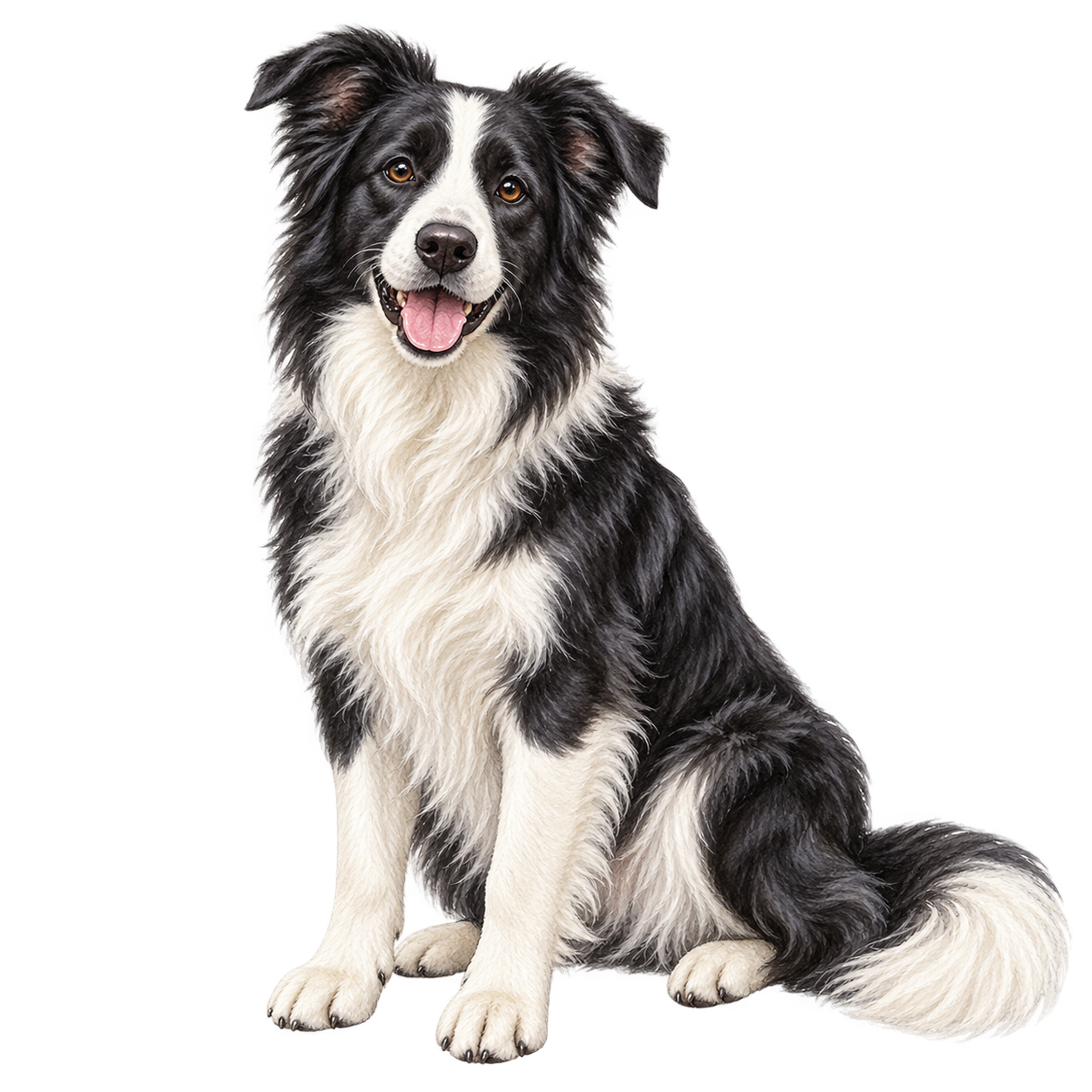
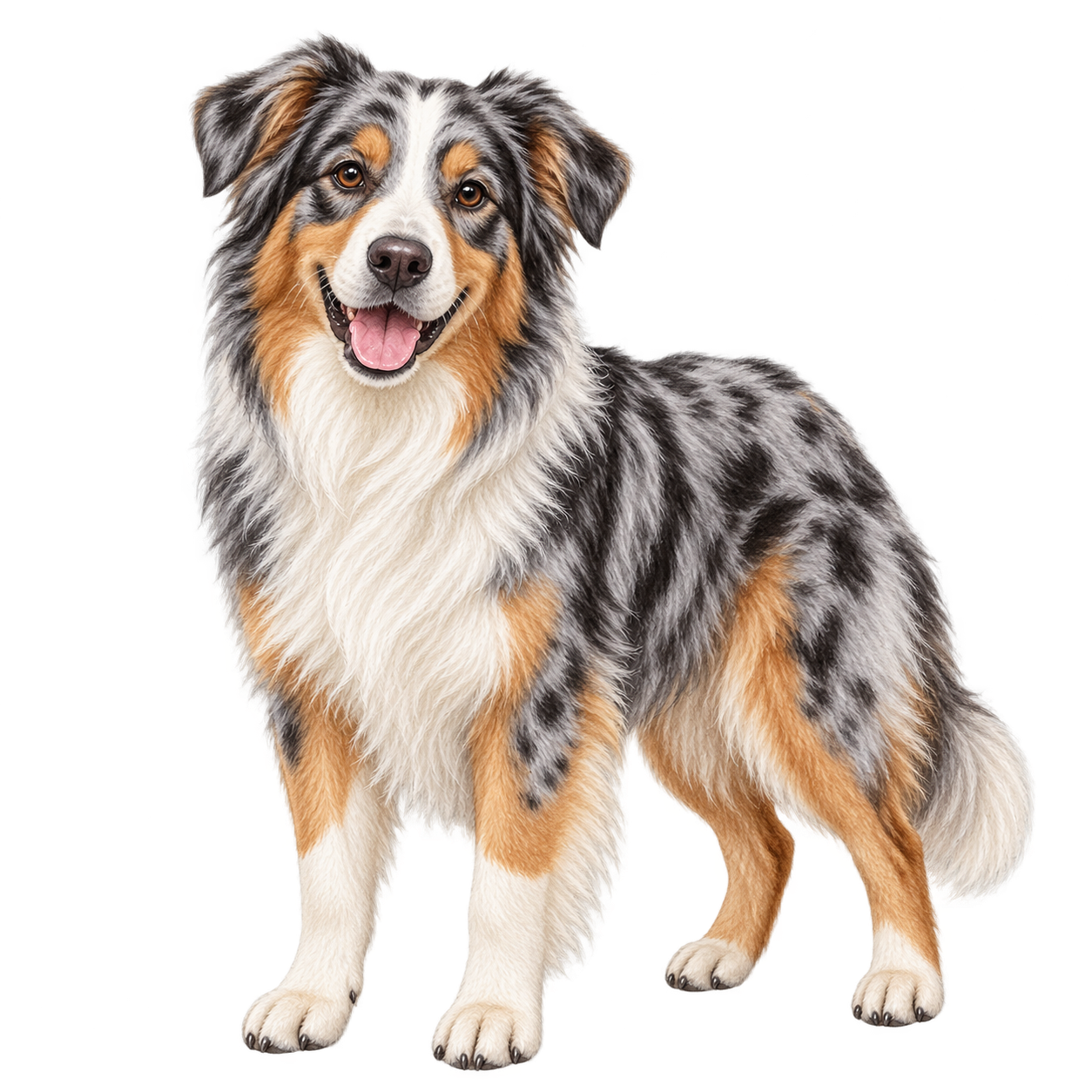
Frequently asked questions
- Are Pyrenean Shepherds good family dogs?
- For very active families, yes.
- Do Pyrenean Shepherds shed?
- Moderately.
- Are Pyr Sheps good for agility?
- Yes — they are among the fastest agility dogs.