Crossbreeds
Pomsky
A mini Husky look-alike — fluffy, spirited and very vocal.
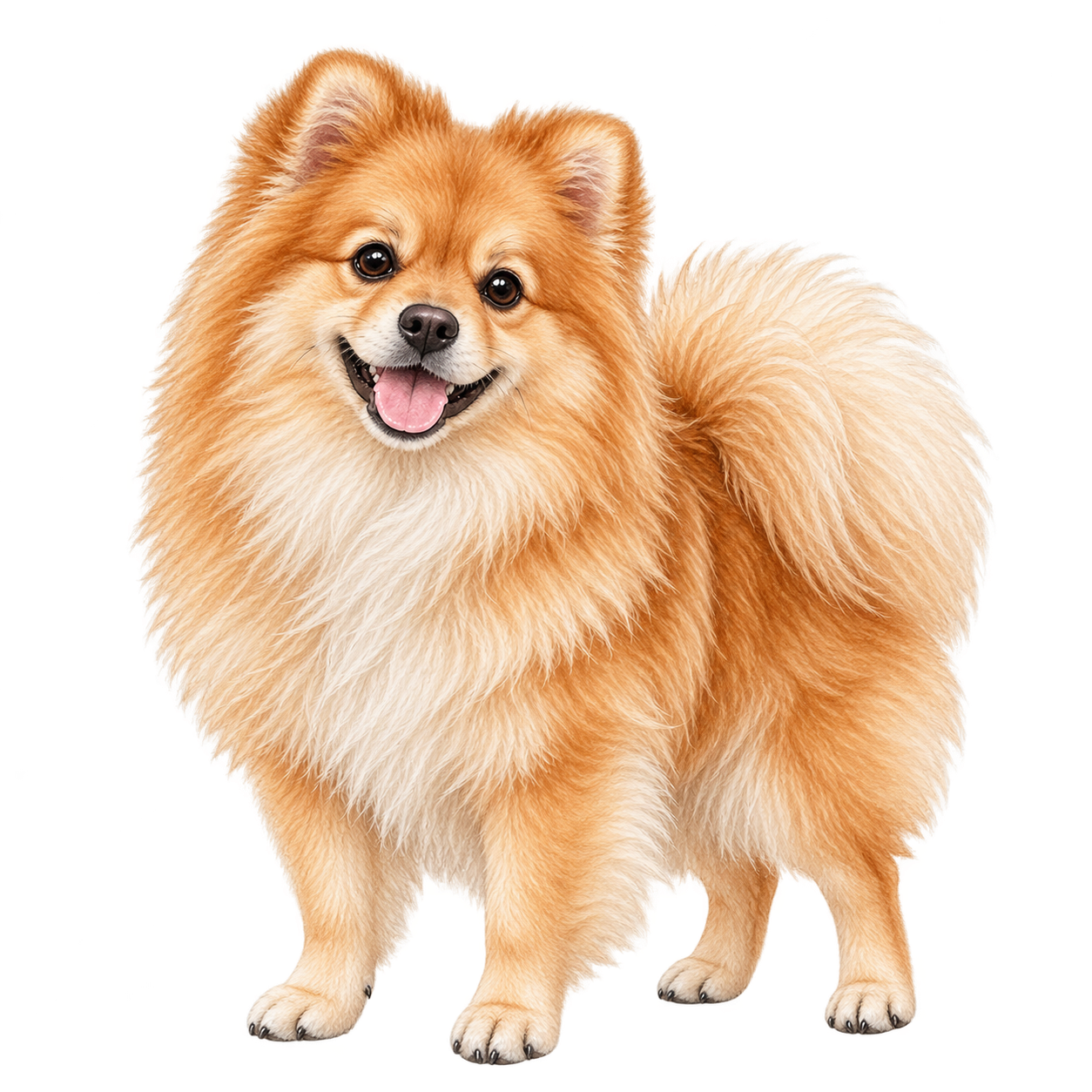
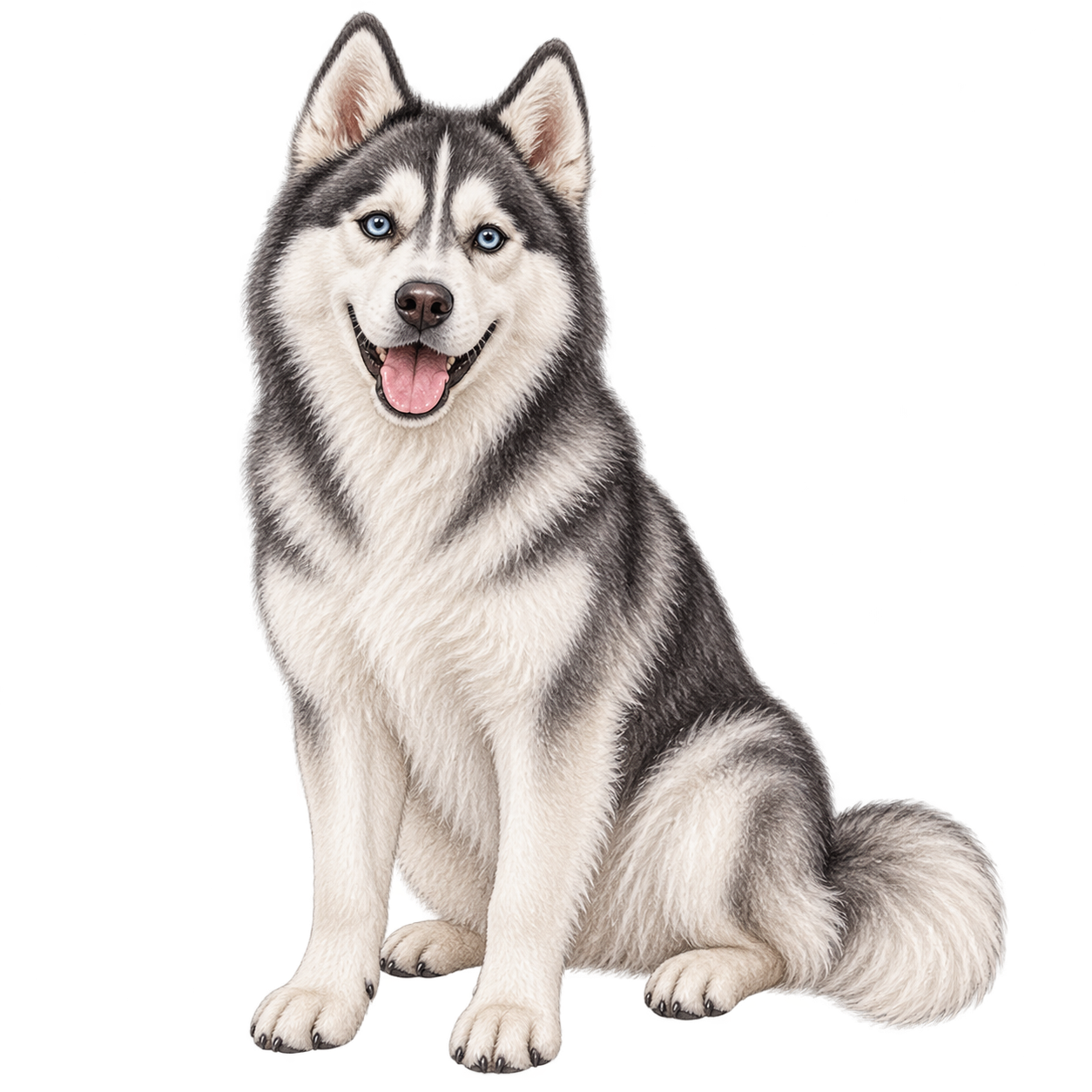
Pomskies combine the Pomeranian with the Siberian Husky, producing a small dog with Husky-like looks. They are playful and affectionate, but vocal, stubborn and heavy shedders.
A Pomeranian × Siberian Husky cross, usually bred by artificial insemination. Not recognised by the AKC; size and temperament vary widely.
Parent breeds: Pomeranian × Siberian Husky
- Height
- 10–15 in25–38 cm
- Weight
- 15–30 lb7–14 kg
- Life expectancy
- 12–15 years
- Size
- Small
- Group
- Crossbreeds
- Origin
- United States
Coat: Thick, fluffy double coat. Colours: Grey and white, Black and white, Red and white, Brown and white, Husky-style markings.
At a glance
Ratings describe typical dogs of the breed on a 1–5 scale. Individual dogs vary with lines, upbringing and training.
Temperament
Pomskies are lively, curious and affectionate. They are often playful and bond closely with their families.
They can be stubborn, vocal and escape-prone, inheriting traits from both parents. Consistent training and socialisation are important.
Living with a Pomsky
Exercise
About 45–60 minutes of daily walks and play; many enjoy hiking and cold-weather adventures.
Grooming
Brush several times a week and daily during heavy seasonal sheds.
Training
Clever but stubborn; short, consistent, reward-based sessions work best. Teach a quiet cue.
Kids & other pets
Better with older children. Usually fine with other dogs; may chase small pets.
Time alone
May bark, howl or chew when bored; build alone time gradually.
Home fit
Can manage in an apartment with committed daily exercise; a house with outdoor space is easier.
Is a Pomsky right for you?
Take the Breed Fit quiz to see how a Pomsky matches your home, schedule and tolerance for shedding, barking and exercise — or find out which breed matches your personality with Dogsona.
Health
With good breeding and care, a Pomsky typically lives 12–15 years. These are the conditions most associated with the breed — not a prediction for any individual dog.
Patellar luxation
Loose kneecaps occur in small dogs.
Eye disease
Juvenile cataracts and PRA from Husky lines can occur; eye exams help.
Dental disease
Small mouths are prone to tartar; brush regularly.
Hip dysplasia
Screened parents reduce the risk of joint disease.
Ask a breeder for
- Both parents: eye examination
- Both parents: patella and hip evaluation
Sources: OFA health testing guidance for Pomeranian and Siberian Husky; Siberian Husky Club of America. This is general information, not veterinary advice — talk to your vet about your own dog.
Cost to own
After the first year, expect roughly $1,000–$2,000 a year for food, routine vet care, preventives, insurance and supplies (US estimate).
- Pet insurance for a puppy typically runs $30–$60 a month; premiums rise with age and breed risk.
History
Pomskies became popular in the 2010s after photos of Husky-like small dogs spread online. Because of the size difference, most are bred by artificial insemination with a Husky mother.
The breed type is still developing, so size and temperament vary considerably between litters.
Did you know?
- Pomskies became famous through social media photos in the early 2010s.
- Most Pomskies are born to Husky mothers via artificial insemination.
- They can have striking blue or odd-coloured eyes.
Library guides for Pomsky owners
Grooming
Brushing
A brushing routine keeps Pomsky shedding under control.
Grooming
Bathing
How to bath a Pomsky without drying out the coat.
Grooming
Ear Cleaning
Ear care matters for this coat and ear type.
Exercise & Play
Dog Walking
Getting daily walks right for a Pomsky.
Grooming
Nail Clipping
Every dog needs regular nail care.
New Dog Owners
How to find a reputable dog breeder
What to ask a Pomsky breeder about health screening.
Similar breeds
Frequently asked questions
- Do Pomskies shed?
- Yes, heavily — both parents have double coats.
- Are Pomskies good for first-time owners?
- They can be challenging due to stubbornness and vocal nature.
- How big do Pomskies get?
- Usually 15–30 lb, but size varies widely.