Herding group
Mudi
A curly-coated Hungarian farm dog — versatile, alert and endlessly busy.
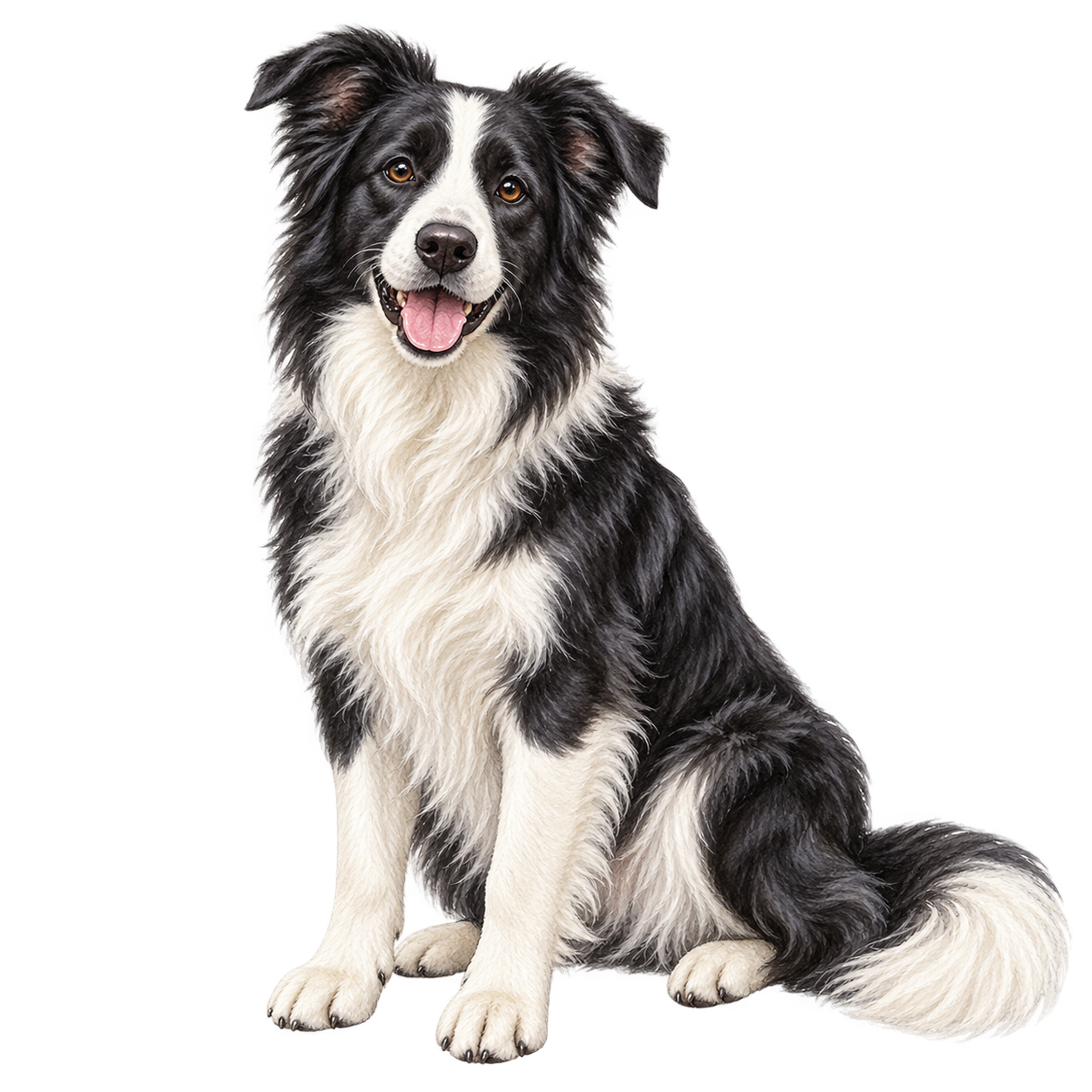
The Mudi is a rare, medium-sized Hungarian herding dog with a wavy coat and upright ears. It is intelligent, versatile and loyal, but energetic and vocal, needing an active owner.
- Height
- 15–18.5 in38–47 cm
- Weight
- 18–29 lb8–13 kg
- Life expectancy
- 12–14 years
- Size
- Medium
- Group
- Herding
- Origin
- Hungary
Coat: Wavy to curly, glossy coat, short on the face and legs. Colours: Black, Brown, Grey, White, Merle, Fawn.
At a glance
Ratings describe typical dogs of the breed on a 1–5 scale. Individual dogs vary with lines, upbringing and training.
Temperament
Mudis are alert, energetic and devoted to their families. They are quick learners and excel at herding, agility and many dog sports.
They are often wary of strangers and make keen watchdogs. Without work, they become restless and noisy.
Living with a Mudi
Exercise
Needs 90 minutes or more of vigorous daily exercise and mental work.
Grooming
Easy: brush every week or two. The coat resists dirt and seldom mats.
Training
Very trainable and eager; keep training varied and challenging.
Kids & other pets
Loyal with their family and good with considerate children. Wary of strangers.
Time alone
Needs company and activity; boredom quickly leads to barking. Provide exercise and puzzles before absences.
Home fit
Best suited to a house with secure outdoor space; apartment living is hard on this breed and its neighbours.
Is a Mudi right for you?
Take the Breed Fit quiz to see how a Mudi matches your home, schedule and tolerance for shedding, barking and exercise — or find out which breed matches your personality with Dogsona.
Health
With good breeding and care, a Mudi typically lives 12–14 years. These are the conditions most associated with the breed — not a prediction for any individual dog.
Hip and elbow dysplasia
Screened parents reduce the risk of joint disease.
Epilepsy
Inherited seizures occur in the breed.
Patellar luxation
Loose kneecaps occasionally occur.
Eye disease
Inherited eye conditions occur; annual eye exams help.
Ask a breeder for
- Hip and elbow evaluation
- Eye examination
- Patella evaluation
Sources: OFA CHIC breed requirements: Mudi; Mudi Club of America. This is general information, not veterinary advice — talk to your vet about your own dog.
Cost to own
After the first year, expect roughly $1,200–$2,500 a year for food, routine vet care, preventives, insurance and supplies (US estimate).
- Pet insurance for a puppy typically runs $30–$60 a month; premiums rise with age and breed risk.
History
Mudis developed naturally on Hungarian farms, herding sheep and cattle, catching vermin and guarding. Dr Dezső Fényes separated them from the Puli and Pumi as a distinct breed in the 1930s.
Mudis are still used as working farm dogs in Hungary, though the breed remains rare worldwide. The AKC recognised the Mudi in 2022.
Did you know?
- The Mudi is one of Hungary’s three native herding breeds, alongside the Puli and Pumi.
- Mudis were recognised as a separate breed in the 1930s.
- Some Mudis are born with natural bobtails.
Library guides for Mudi owners
Exercise & Play
Fetch
A fast way to meet a high exercise need.
Exercise & Play
Dog Road Work
Structured conditioning for high-stamina dogs.
Exercise & Play
Hide and Seek
Brain work that tires busy minds.
Training
Place / Go to Mat
Teaching a settle helps dogs that struggle to switch off.
Exercise & Play
Dog Walking
Getting daily walks right for a Mudi.
Grooming
Nail Clipping
Every dog needs regular nail care.
Similar breeds
Frequently asked questions
- Are Mudis good family dogs?
- Yes, for very active families who enjoy training.
- Do Mudis shed?
- Lightly to moderately.
- Are Mudis rare?
- Yes, very. Expect a waiting list.