Sporting group
Chesapeake Bay Retriever
A tough, loyal water retriever built for icy bays — and with a mind of its own.
Chesapeake Bay Retrievers are powerful, hardy retrievers bred for cold, rough water. They are devoted to their families and excellent working partners, but more protective, independent and strong-willed than Labs or Goldens.
- Height
- 21–26 in53–66 cm
- Weight
- 55–80 lb25–36 kg
- Life expectancy
- 10–13 years
- Size
- Large
- Group
- Sporting
- Origin
- Maryland, United States
Coat: Short, thick, oily, wavy double coat that repels water. Colours: Brown, Sedge, Deadgrass.
At a glance
Ratings describe typical dogs of the breed on a 1–5 scale. Individual dogs vary with lines, upbringing and training.
Temperament
Chessies are loyal, brave and emotionally attached to their people. They are often reserved with strangers and make natural watchdogs. With family they are affectionate and good-humoured.
They are bright but independent, and some can be stubborn or dog-selective. Early socialisation and consistent, fair training matter. Many “smile” by baring their front teeth when happy.
Living with a Chesapeake Bay Retriever
Exercise
At least an hour of vigorous exercise daily. Swimming and retrieving are ideal, even in cold weather.
Grooming
Brush weekly; avoid frequent baths that strip the coat’s protective oils. Expect heavy seasonal shedding and a slightly oily smell.
Training
Intelligent but independent. Consistent, reward-based training and early socialisation with people and dogs are essential.
Kids & other pets
Loyal and protective with their own children. Can be selective with unfamiliar dogs; supervise introductions.
Time alone
Tolerates a normal day alone if exercised, but may bark or become destructive when bored.
Home fit
Best suited to a house with secure outdoor space; apartment living is hard on this breed and its neighbours.
Is a Chesapeake Bay Retriever right for you?
Take the Breed Fit quiz to see how a Chesapeake Bay Retriever matches your home, schedule and tolerance for shedding, barking and exercise — or find out which breed matches your personality with Dogsona.
Health
With good breeding and care, a Chesapeake Bay Retriever typically lives 10–13 years. These are the conditions most associated with the breed — not a prediction for any individual dog.
Hip and elbow dysplasia
Screened parents reduce the risk of joint disease.
Degenerative myelopathy
A progressive spinal disease; the SOD1 DNA test identifies at-risk dogs.
Exercise-induced collapse (EIC)
Inherited weakness after intense exercise; DNA testing is available.
Progressive retinal atrophy
Inherited vision loss detectable by the prcd-PRA DNA test.
Gastric dilatation-volvulus (bloat)
A risk in deep-chested breeds; learn the warning signs.
Ask a breeder for
- Hip and elbow evaluation
- Eye examination
- DNA tests: degenerative myelopathy, EIC, prcd-PRA
Sources: OFA CHIC breed requirements: Chesapeake Bay Retriever; American Chesapeake Club. This is general information, not veterinary advice — talk to your vet about your own dog.
Cost to own
After the first year, expect roughly $1,500–$3,000 a year for food, routine vet care, preventives, insurance and supplies (US estimate).
- Food, medication and anaesthesia are dosed by weight, so every vet visit costs more for a big dog.
- Pet insurance for a puppy typically runs $30–$60 a month; premiums rise with age and breed risk.
History
In 1807 an English ship ran aground off the Maryland coast, and two Newfoundland-type puppies, Sailor and Canton, were rescued. Local hunters bred them with retrievers and hounds, creating a dog that could retrieve hundreds of ducks a day from the icy Chesapeake Bay.
The breed was one of the first recognised by the AKC, in 1878. It is Maryland’s state dog and the mascot of the University of Maryland Baltimore County.
Did you know?
- The Chesapeake Bay Retriever is Maryland’s state dog.
- Its coat is so oily and water-repellent that it is nearly dry after a shake.
- “Deadgrass” — the colour of dried marsh grass — is a recognised coat colour.
Library guides for Chesapeake Bay Retriever owners
Training
Come (Recall)
High chase drive makes a reliable recall essential.
Training
Heel and Loose-Leash Walking
A strong Chesapeake Bay Retriever needs loose-lead manners early.
Exercise & Play
Fetch
A fast way to meet a high exercise need.
Exercise & Play
Hide and Seek
Brain work that tires busy minds.
Exercise & Play
Tug of War
An energy outlet that also builds impulse control.
Exercise & Play
Dog Walking
Getting daily walks right for a Chesapeake Bay Retriever.
Similar breeds
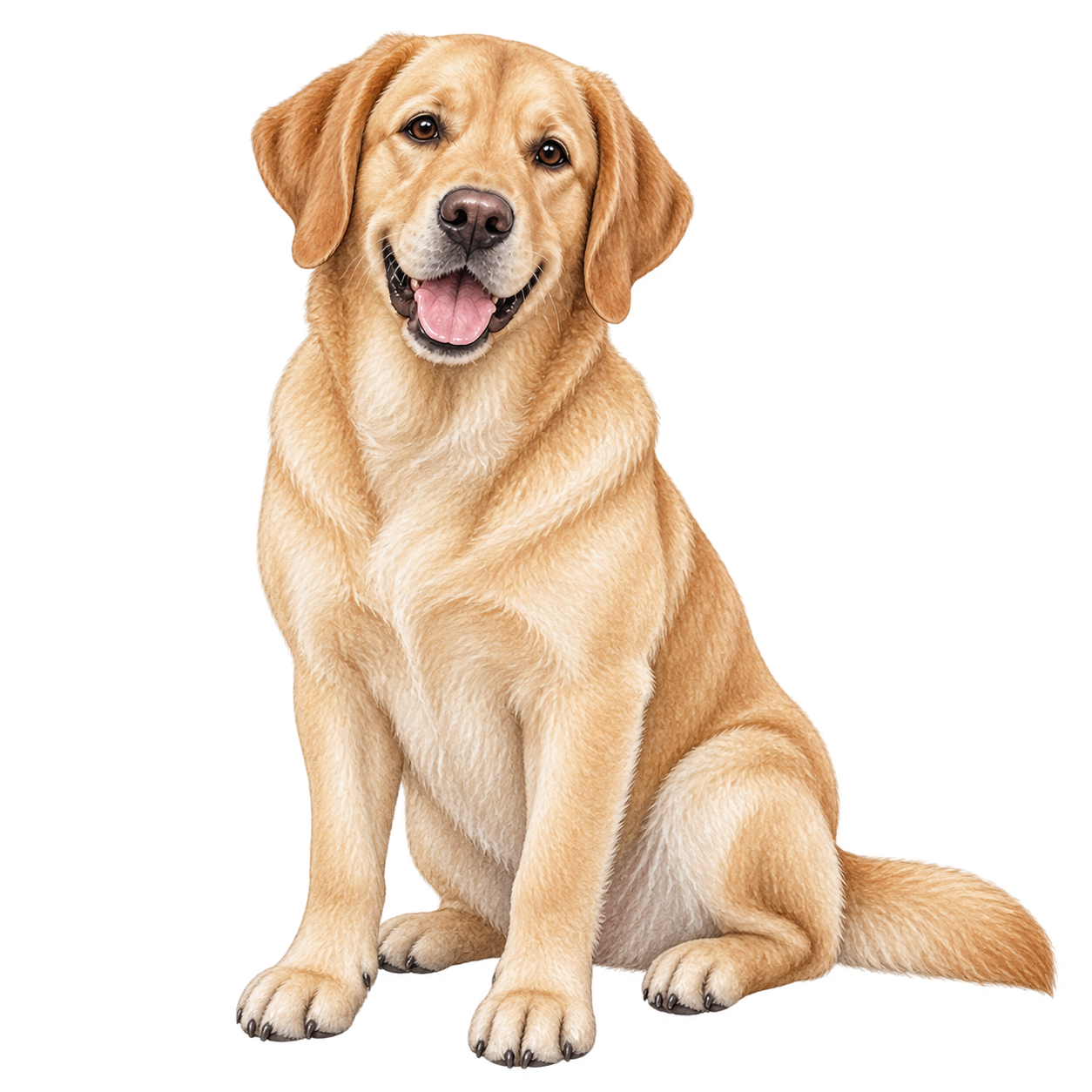
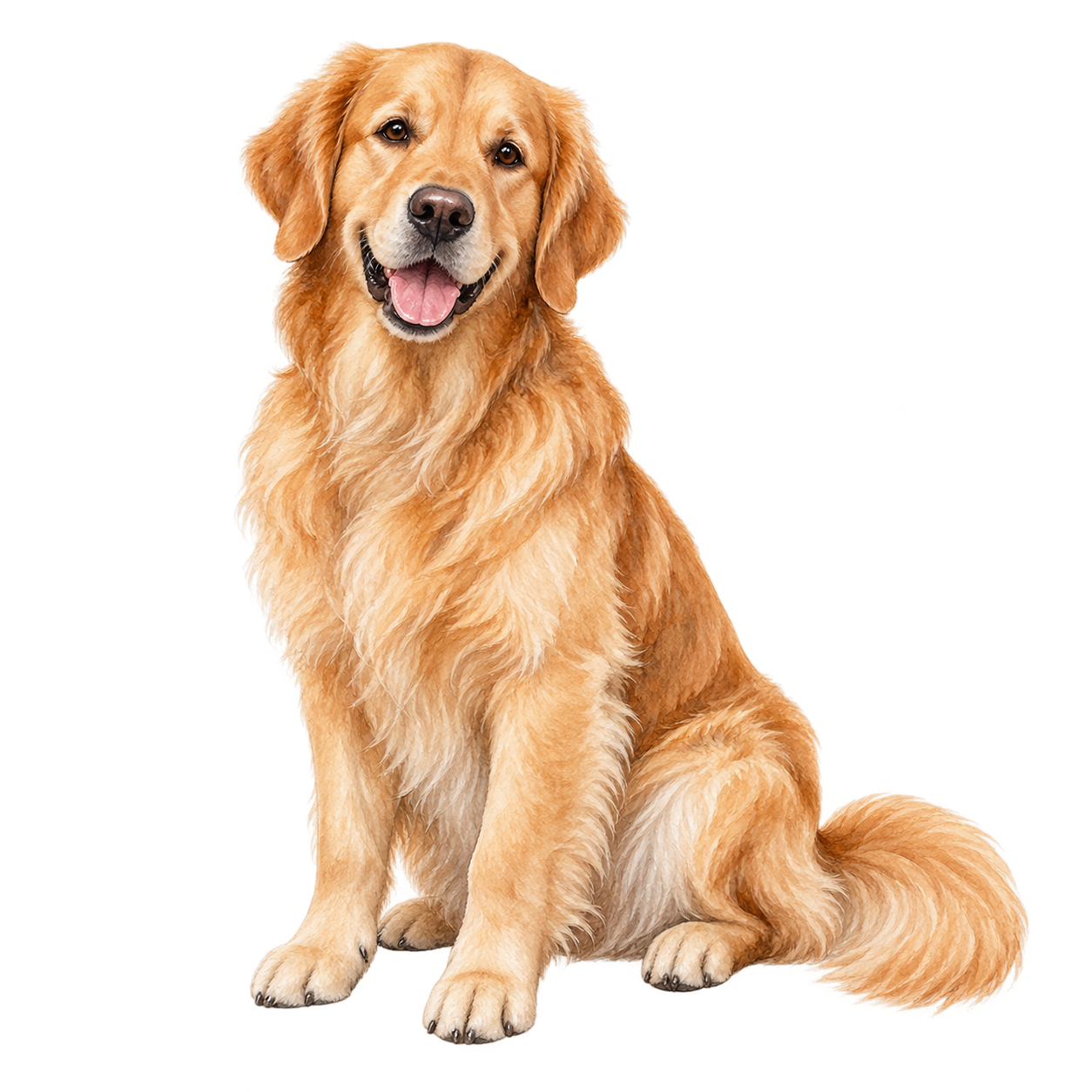
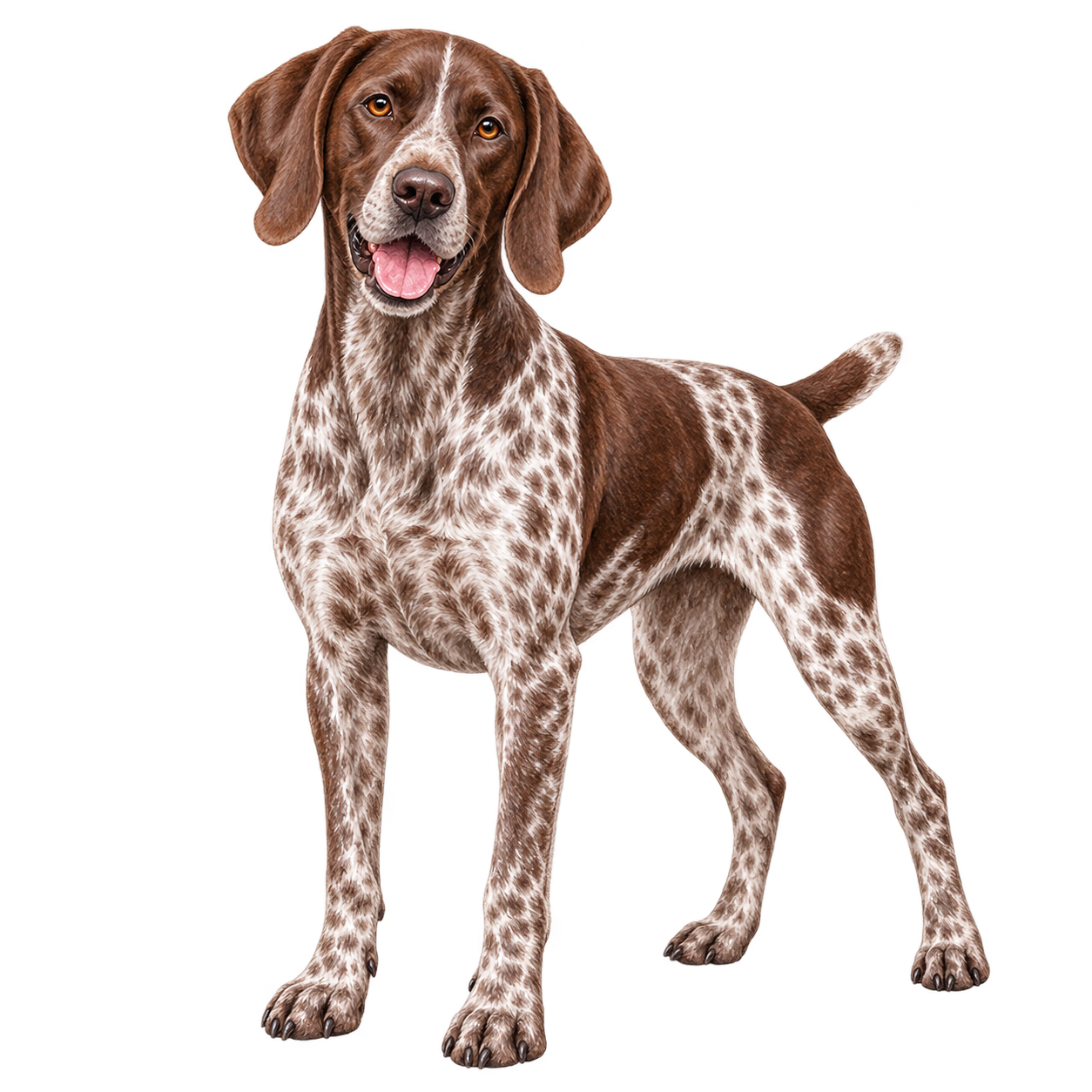
Frequently asked questions
- Are Chesapeake Bay Retrievers good family dogs?
- Yes, for experienced, active owners. They are loyal and protective but more independent than Labs.
- Chesapeake vs Labrador: what is the difference?
- Chessies are more protective, reserved and strong-willed, with an oily, wavy coat. Labs are more universally friendly and easier for beginners.
- Do Chesapeakes shed?
- Yes, especially during seasonal moults.