Working group
Black Russian Terrier
A bearded Soviet guardian — calm, confident and devoted to its family.
Black Russian Terriers are large, powerful guard dogs developed by the Soviet army. They are intelligent, loyal and affectionate with family, but aloof with strangers and in need of experienced, consistent handling and regular grooming.
- Height
- 26–30 in66–76 cm
- Weight
- 80–130 lb36–59 kg
- Life expectancy
- 10–12 years
- Size
- Giant
- Group
- Working
- Origin
- Soviet Union (Moscow)
Coat: Thick, rough, slightly wavy coat with a beard and eyebrows. Colours: Black, Black with scattered grey.
At a glance
Ratings describe typical dogs of the breed on a 1–5 scale. Individual dogs vary with lines, upbringing and training.
Temperament
BRTs are calm, confident and courageous. They bond closely with their family and like to be near them, often following from room to room. With their own people they can be playful and gentle.
They are natural guardians and wary of strangers, and some are dominant with other dogs. Early and ongoing socialisation and consistent, fair training are essential for a dog of this size and strength.
Living with a Black Russian Terrier
Exercise
Around an hour of daily exercise, with walks, play and training. They enjoy protection sports, obedience and agility.
Grooming
Brush through the coat weekly and have it trimmed every two to three months. Wash the beard after meals and drinking.
Training
Smart and willing with a respected handler; consistent, reward-based training and lifelong socialisation are key.
Kids & other pets
Loyal and protective with their own children. Supervise with visitors, and introduce other dogs carefully.
Time alone
BRTs want to be with their family and dislike long isolation. They may become destructive or overprotective if left out.
Home fit
Best suited to a house with secure outdoor space; apartment living is hard on this breed and its neighbours.
Is a Black Russian Terrier right for you?
Take the Breed Fit quiz to see how a Black Russian Terrier matches your home, schedule and tolerance for shedding, barking and exercise — or find out which breed matches your personality with Dogsona.
Health
With good breeding and care, a Black Russian Terrier typically lives 10–12 years. These are the conditions most associated with the breed — not a prediction for any individual dog.
Hip and elbow dysplasia
Screened parents reduce the risk of joint disease.
Hyperuricosuria
An inherited tendency to form urate bladder stones; a DNA test is available.
Juvenile laryngeal paralysis and polyneuropathy (JLPP)
An inherited neurological disease in young dogs; DNA testing identifies carriers.
Progressive retinal atrophy
Inherited vision loss; annual eye exams are recommended.
Ask a breeder for
- Hip and elbow evaluation
- Eye and cardiac examinations
- DNA tests: hyperuricosuria and JLPP
Sources: OFA CHIC breed requirements: Black Russian Terrier; Black Russian Terrier Club of America. This is general information, not veterinary advice — talk to your vet about your own dog.
Cost to own
After the first year, expect roughly $2,000–$4,000 a year for food, routine vet care, preventives, insurance and supplies (US estimate).
- Professional grooming every 6–8 weeks adds roughly $500–$900 a year.
- Food, medication and anaesthesia are dosed by weight, so every vet visit costs more for a big dog.
- Pet insurance for a puppy typically runs $30–$60 a month; premiums rise with age and breed risk.
History
After WWII the Soviet army’s Red Star Kennel in Moscow set out to create a large, hardy working dog able to guard in harsh climates. Breeders combined Giant Schnauzers, Rottweilers, Airedales, Newfoundlands and other breeds.
The BRT was released to civilian breeders in the 1950s, and hobbyists refined its temperament and coat. The breed reached North America in the 1980s and was recognised by the AKC in 2004. Despite the name, it is not a true terrier.
Did you know?
- The BRT was bred by the Soviet army’s Red Star Kennel.
- Despite its name, the breed is classed as a working dog, not a terrier.
- The BRT is sometimes called “Stalin’s Dog”.
Library guides for Black Russian Terrier owners
Grooming
Brushing
Black Russian Terrier coats mat without regular brushing.
Grooming
Bathing
How to bath a Black Russian Terrier without drying out the coat.
Training
Heel and Loose-Leash Walking
A strong Black Russian Terrier needs loose-lead manners early.
Exercise & Play
Hide and Seek
Brain work that tires busy minds.
Exercise & Play
Tug of War
An energy outlet that also builds impulse control.
Grooming
Ear Cleaning
Ear care matters for this coat and ear type.
Similar breeds
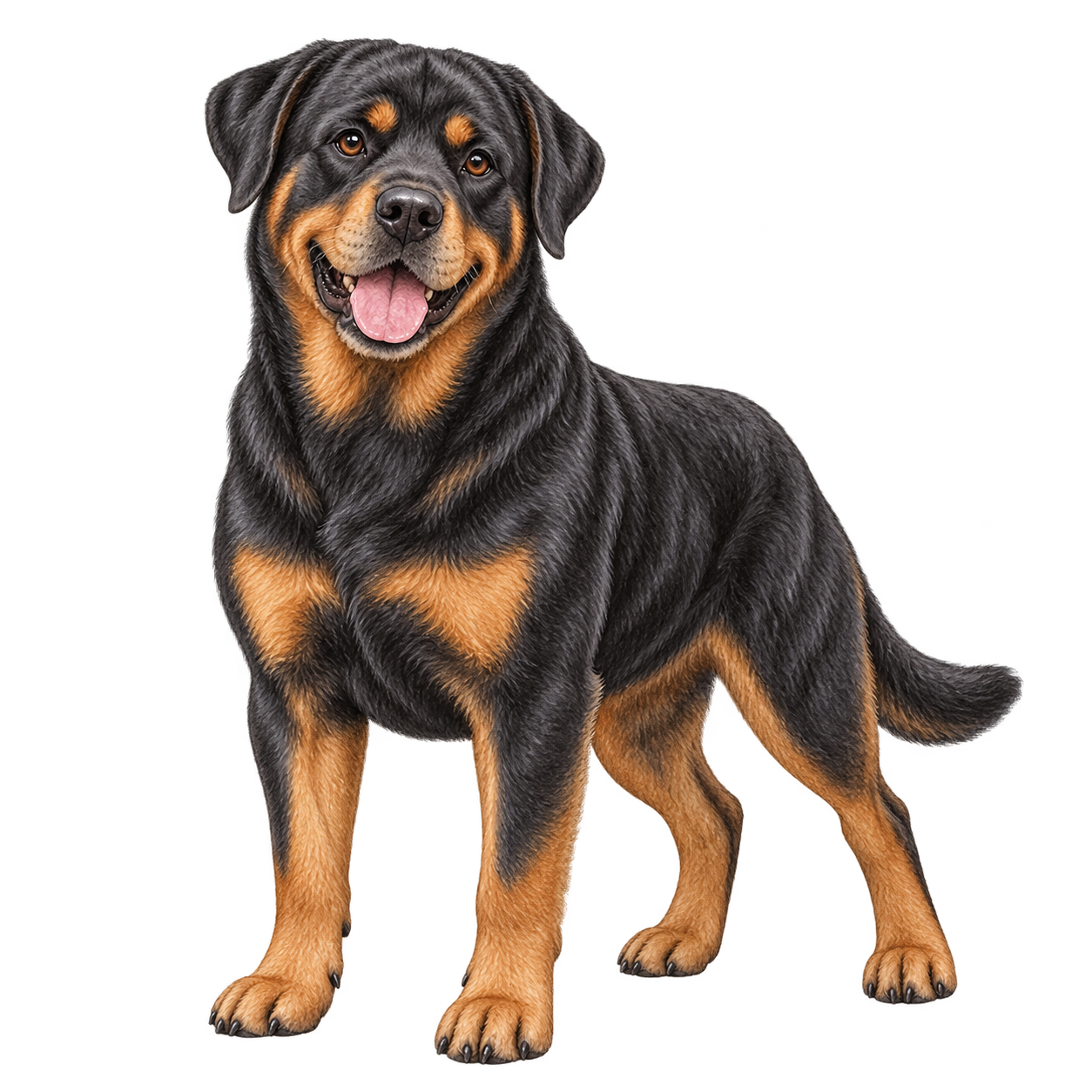
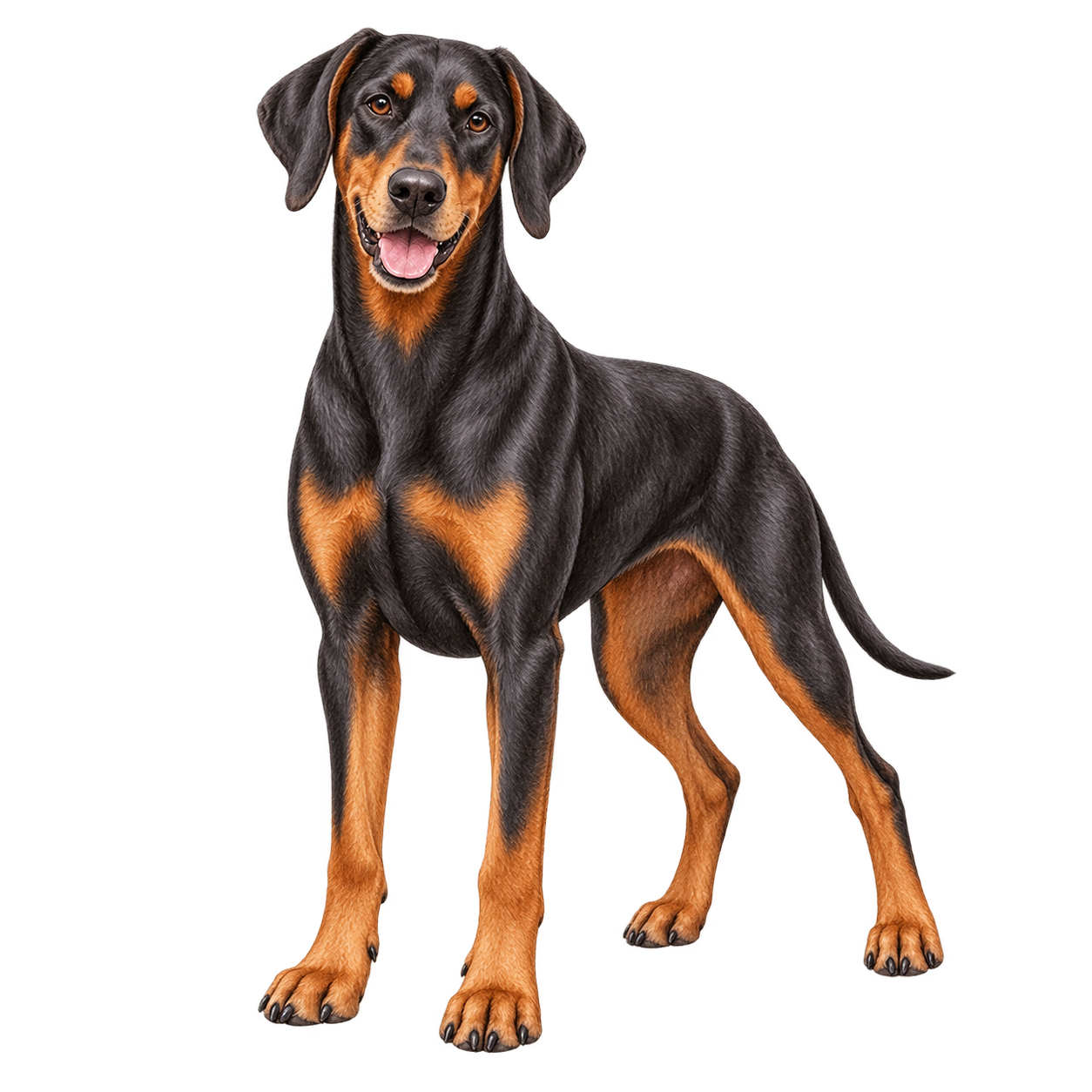
Frequently asked questions
- Are Black Russian Terriers good family dogs?
- For experienced owners, yes. They are loyal and gentle with family but protective with strangers.
- Do Black Russian Terriers shed?
- Little, but their coat needs regular brushing and trimming.
- Are BRTs hypoallergenic?
- No dog is truly hypoallergenic, but BRTs shed very little.