Herding group
Belgian Malinois
The elite working dog — intense, brilliant and far too much for most homes.
Belgian Malinois are athletic, driven herding dogs that have become the world’s leading police and military working dogs. They are loyal and trainable, but their energy and intensity overwhelm most pet homes.
- Height
- 22–26 in56–66 cm
- Weight
- 40–80 lb18–36 kg
- Life expectancy
- 14–16 years
- Size
- Large
- Group
- Herding
- Origin
- Malines (Mechelen), Belgium
Coat: Short, straight, weather-resistant coat. Colours: Fawn to mahogany with a black mask and ears.
At a glance
Ratings describe typical dogs of the breed on a 1–5 scale. Individual dogs vary with lines, upbringing and training.
Temperament
Malinois are alert, confident and fiercely devoted to their handlers. They thrive on work and training and are capable of extraordinary feats of obedience, detection and protection.
Without several hours of physical and mental work daily, many become anxious, destructive or reactive. Their drive to bite and chase must be channelled carefully. This is a breed for experienced, highly active owners.
Living with a Belgian Malinois
Exercise
Needs two hours or more of intense physical and mental exercise every day, ideally structured work or dog sports.
Grooming
Minimal: weekly brushing with a rubber mitt, and more during seasonal sheds. Keep nails short on these athletes.
Training
Exceptionally trainable but intense; needs expert, consistent training and outlets for bite and chase drive.
Kids & other pets
Loyal but often too intense for young children. Can be dog-selective and reactive without careful socialisation.
Time alone
Poorly suited to being left alone; boredom quickly leads to destruction, escape attempts or anxiety.
Home fit
Best suited to a house with secure outdoor space; apartment living is hard on this breed and its neighbours.
Is a Belgian Malinois right for you?
Take the Breed Fit quiz to see how a Belgian Malinois matches your home, schedule and tolerance for shedding, barking and exercise — or find out which breed matches your personality with Dogsona.
Health
With good breeding and care, a Belgian Malinois typically lives 14–16 years. These are the conditions most associated with the breed — not a prediction for any individual dog.
Hip and elbow dysplasia
Screened parents reduce the risk of joint disease.
Progressive retinal atrophy and cataracts
Inherited eye conditions occur; annual eye exams help.
Epilepsy
Inherited seizures occur in the Belgian shepherd breeds.
Behavioural problems
Under-stimulated Malinois frequently develop anxiety, compulsive behaviours or reactivity.
Ask a breeder for
- Hip and elbow evaluation
- Eye examination
Sources: OFA CHIC breed requirements: Belgian Malinois; American Belgian Malinois Club. This is general information, not veterinary advice — talk to your vet about your own dog.
Cost to own
After the first year, expect roughly $1,500–$3,000 a year for food, routine vet care, preventives, insurance and supplies (US estimate).
- Food, medication and anaesthesia are dosed by weight, so every vet visit costs more for a big dog.
- Pet insurance for a puppy typically runs $30–$60 a month; premiums rise with age and breed risk.
History
The Malinois is one of four Belgian shepherd types developed in the late 1800s, named after the city of Malines (Mechelen). Belgian breeders selected it for working ability rather than appearance.
Today Malinois serve with police, militaries and search-and-rescue teams worldwide. A Malinois named Cairo was part of the 2011 US Navy SEAL raid on Osama bin Laden’s compound. The AKC recognised the breed separately in 1959.
Did you know?
- A Malinois named Cairo took part in the 2011 raid on Osama bin Laden’s compound.
- Malinois are among the most widely used military working dogs in the US.
- Malinois can climb walls and leap remarkable heights in protection work.
Library guides for Belgian Malinois owners
Training
Come (Recall)
High chase drive makes a reliable recall essential.
Training
Heel and Loose-Leash Walking
A strong Belgian Malinois needs loose-lead manners early.
Exercise & Play
Fetch
A fast way to meet a high exercise need.
Exercise & Play
Dog Road Work
Structured conditioning for high-stamina dogs.
Exercise & Play
Hide and Seek
Brain work that tires busy minds.
Training
Place / Go to Mat
Teaching a settle helps dogs that struggle to switch off.
Similar breeds
Frequently asked questions
- Are Belgian Malinois good family pets?
- Rarely for typical families. They need expert handling and hours of daily work.
- Malinois vs German Shepherd?
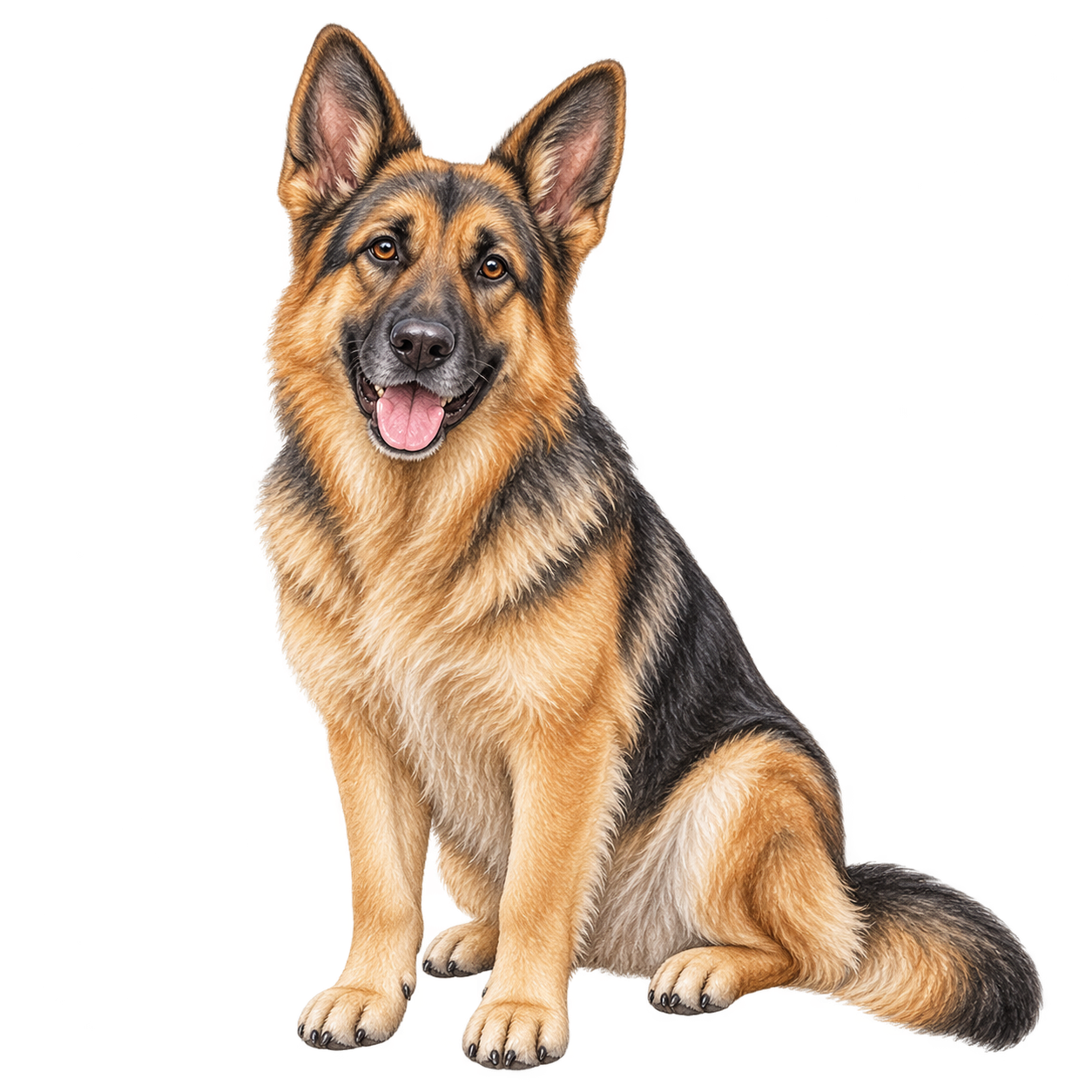
- Malinois are lighter, faster and usually more intense, with even higher energy and drive.
- Do Belgian Malinois shed?
- Moderately, with seasonal sheds.