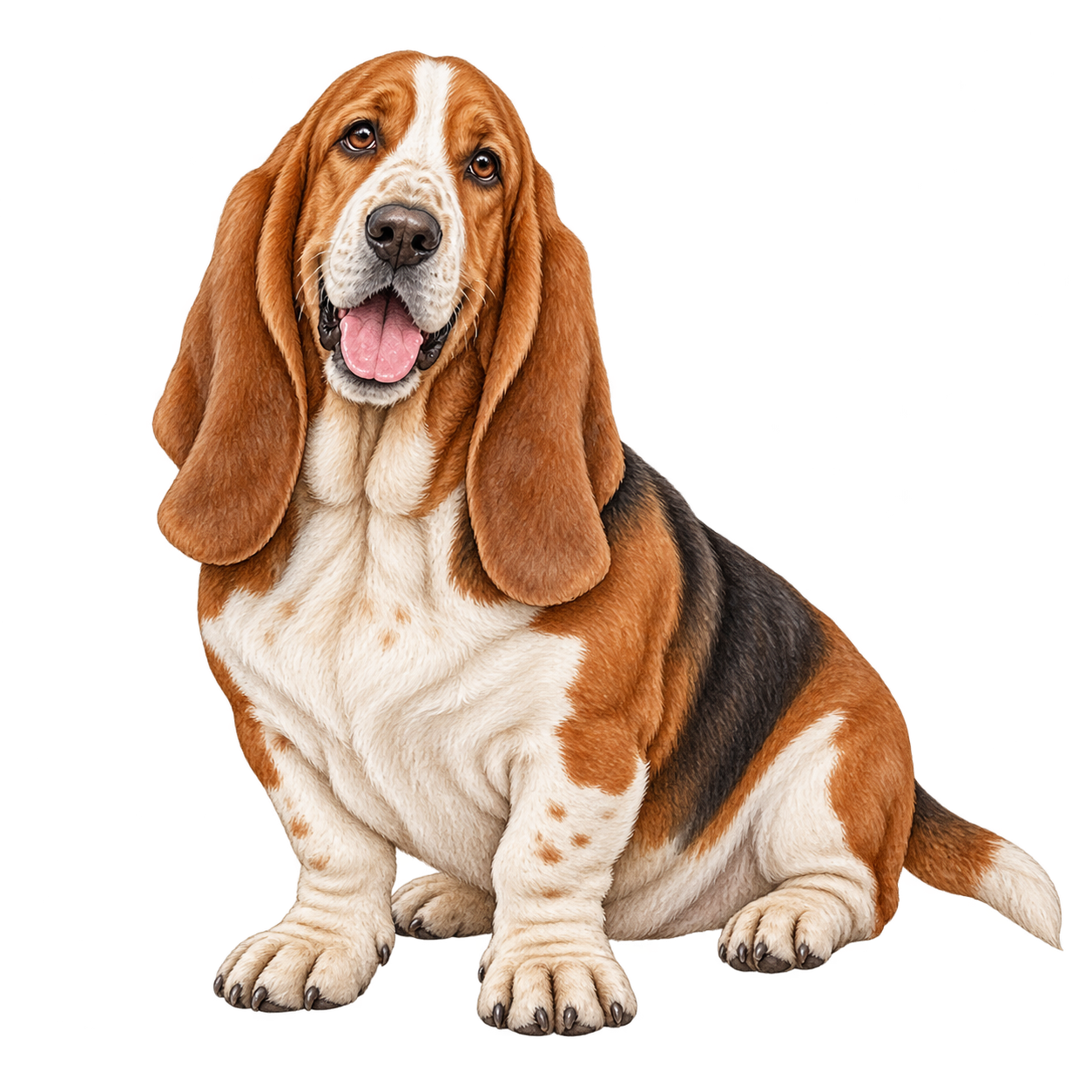
Hound group
Basset Hound
Low-slung, mellow and nose-first — a gentle hound with a loud bay.
Basset Hounds are easygoing, friendly scent hounds with a remarkable nose and a relaxed attitude to life. They are good-natured family dogs, but stubborn, vocal and prone to weight gain and back problems.
- Height
- 11–15 in28–38 cm
- Weight
- 40–65 lb18–29 kg
- Life expectancy
- 12–13 years
- Size
- Medium
- Group
- Hound
- Origin
- France
Coat: Short, dense, hard coat. Colours: Tricolour, Lemon and white, Red and white, Black and white.
At a glance
Ratings describe typical dogs of the breed on a 1–5 scale. Individual dogs vary with lines, upbringing and training.
Temperament
Bassets are sweet, patient and sociable with people and other dogs — they were bred to hunt in packs. At home they are calm and happy to nap, which surprises owners given their stamina on a scent trail.
Once the nose engages, the ears switch off. Bassets are independent and famously slow to obey, and they have a deep, carrying bay. Food motivation is strong, which helps training and hurts waistlines.
Living with a Basset Hound
Exercise
Around an hour a day of moderate walking with time to sniff. Avoid stairs and jumping for puppies and keep them lean to protect the long back.
Grooming
Weekly brushing and regular ear cleaning — long ears drag in dirt and trap moisture. Wipe facial folds and expect drool and a distinctive hound odour.
Training
Patient, food-rewarded training works; harsh methods do not. A reliable recall is hard, so walk on lead or in secure areas.
Kids & other pets
Excellent with children and other dogs. Can live with cats if raised together.
Time alone
Tolerates alone time better than many breeds, but bored Bassets bay and raid bins.
Home fit
Can manage in an apartment with committed daily exercise; a house with outdoor space is easier.
Is a Basset Hound right for you?
Take the Breed Fit quiz to see how a Basset Hound matches your home, schedule and tolerance for shedding, barking and exercise — or find out which breed matches your personality with Dogsona.
Health
With good breeding and care, a Basset Hound typically lives 12–13 years. These are the conditions most associated with the breed — not a prediction for any individual dog.
Intervertebral disc disease (IVDD)
The long back and short legs raise the risk of disc herniation.
Ear infections
Pendulous ears need weekly cleaning.
Gastric dilatation-volvulus (bloat)
A deep-chested breed; learn the warning signs.
Primary glaucoma
A painful, inherited rise in eye pressure that can cause blindness.
Obesity
Extra weight worsens back and joint problems; measure food.
Ask a breeder for
- Hip and elbow evaluation
- Eye examination including glaucoma screening
- DNA test for thrombopathia
Sources: OFA CHIC breed requirements: Basset Hound; Basset Hound Club of America. This is general information, not veterinary advice — talk to your vet about your own dog.
Cost to own
After the first year, expect roughly $1,200–$2,500 a year for food, routine vet care, preventives, insurance and supplies (US estimate).
- Pet insurance for a puppy typically runs $30–$60 a month; premiums rise with age and breed risk.
History
Bassets descend from French scent hounds, and the name comes from “bas”, meaning low. Short-legged hounds were favoured so hunters could follow rabbits and hares on foot. After the French Revolution the breed was kept by commoners who hunted without horses.
The Comte de Tournow and others popularised Bassets in the 1800s, and they reached England in the 1870s, where Bloodhound crosses added size. The AKC recognised the breed in 1885.
Did you know?
- The Basset’s long ears help sweep scent toward its nose.
- Bassets have more scent receptors than almost any breed except the Bloodhound.
- Hush Puppies shoes have used a Basset Hound as their mascot since 1958.
Library guides for Basset Hound owners
Grooming
Brushing
A brushing routine keeps Basset Hound shedding under control.
Training
Come (Recall)
High chase drive makes a reliable recall essential.
Grooming
Ear Cleaning
Ear care matters for this coat and ear type.
Exercise & Play
Dog Walking
Getting daily walks right for a Basset Hound.
Grooming
Nail Clipping
Every dog needs regular nail care.
New Dog Owners
How to find a reputable dog breeder
What to ask a Basset Hound breeder about health screening.
Similar breeds
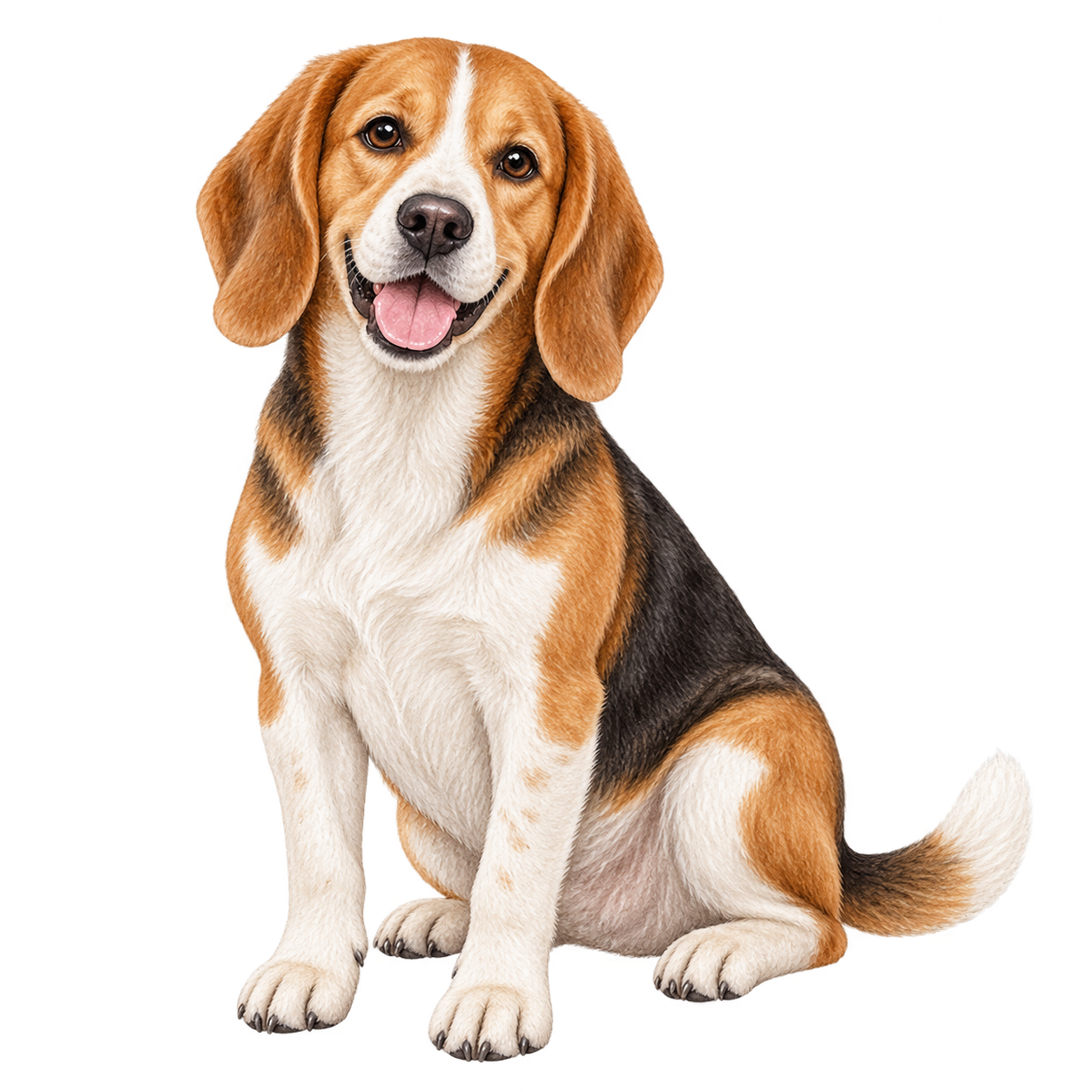
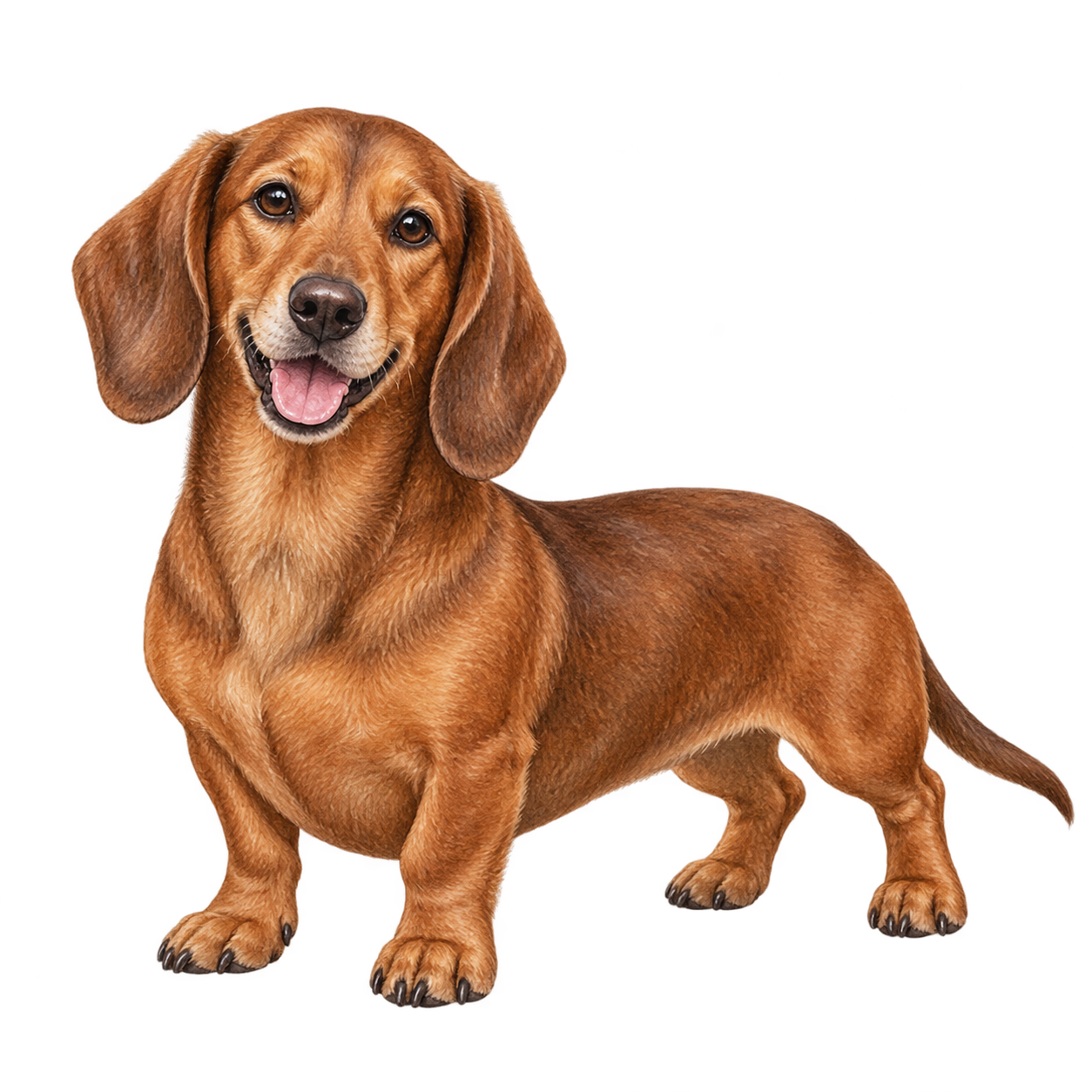
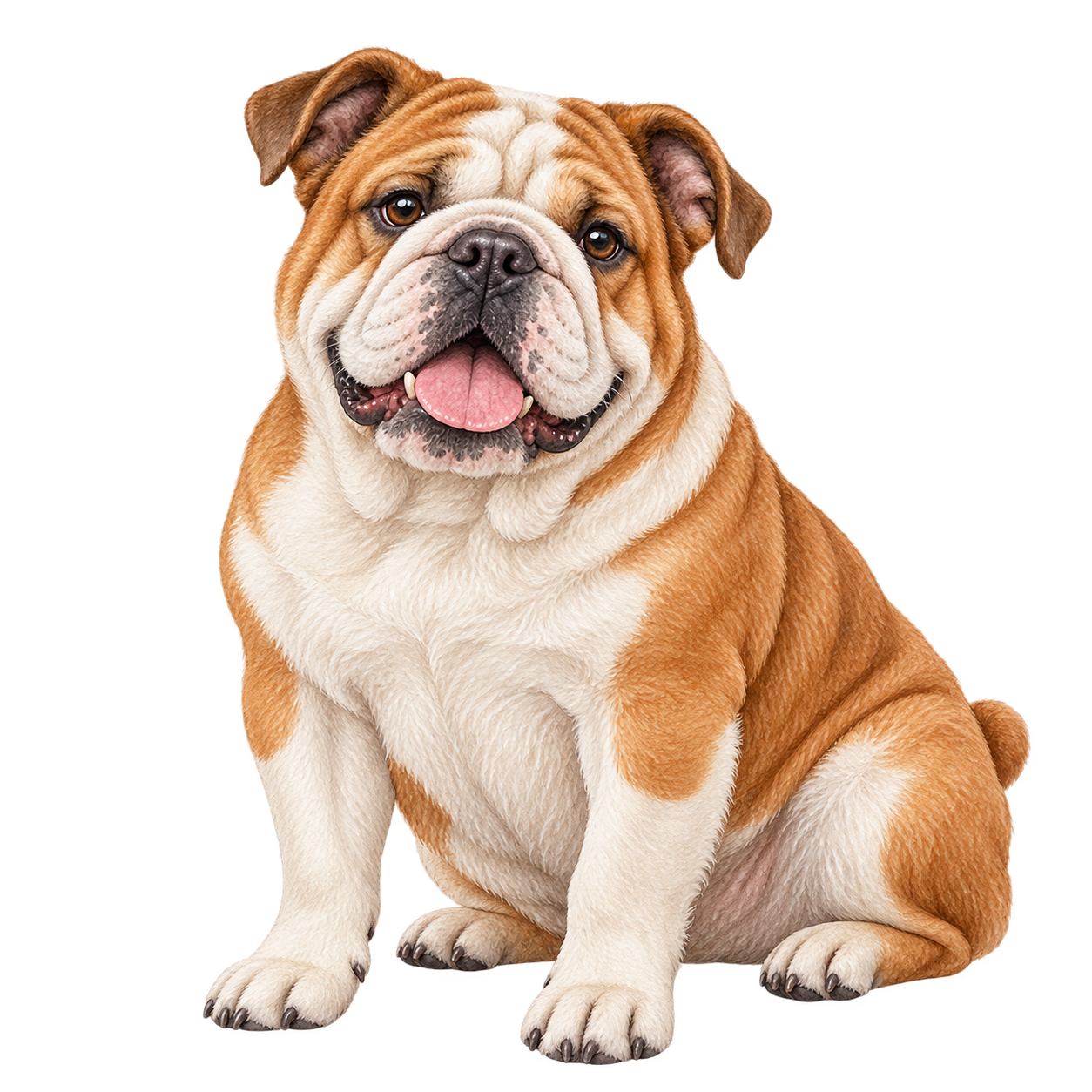
Frequently asked questions
- Are Basset Hounds lazy?
- They are calm indoors but need daily walks and scent work. They have more stamina than they appear to.
- Do Basset Hounds bark a lot?
- They bay rather than bark, and it is loud. Boredom and scent excitement make it more frequent.
- Are Basset Hounds good with kids?
- Yes — they are patient, gentle and sturdy.