Hound group
Azawakh
A slender desert sighthound — loyal, watchful and fiercely devoted to its own.
The Azawakh is a tall, ultra-lean sighthound from the Sahel, bred by nomadic peoples to hunt and guard camp. It bonds deeply with its family, is wary of strangers and needs an experienced, sensitive owner.
- Height
- 23.5–29 in60–74 cm
- Weight
- 33–55 lb15–25 kg
- Life expectancy
- 12–15 years
- Size
- Large
- Group
- Hound
- Origin
- Sahel region of West Africa (Mali, Niger, Burkina Faso)
Coat: Very short, fine coat; almost bare on the belly. Colours: Fawn, Red, Brindle, Black, Blue, With white markings.
At a glance
Ratings describe typical dogs of the breed on a 1–5 scale. Individual dogs vary with lines, upbringing and training.
Temperament
Azawakhs are loyal, affectionate and gentle with their own people, but naturally aloof and protective with strangers. They are alert watchdogs and form tight bonds with their household.
They are sensitive, independent and do not take well to harsh handling. Strong prey drive and speed mean they need secure fencing. Early, careful socialisation is essential.
Living with a Azawakh
Exercise
Around an hour of exercise daily, including safe off-lead sprints in secure areas.
Grooming
Minimal: occasional brushing and nail care. Thin coat and low body fat mean they feel the cold.
Training
Independent and sensitive; gentle, patient, reward-based training and a strong bond are key.
Kids & other pets
Devoted to their own family; best with older, calm children. Can be selective with other dogs; unsafe with small pets.
Time alone
Tolerates moderate alone time once settled, but prefers its people and a warm spot.
Home fit
Can manage in an apartment with committed daily exercise; a house with outdoor space is easier.
Is a Azawakh right for you?
Take the Breed Fit quiz to see how a Azawakh matches your home, schedule and tolerance for shedding, barking and exercise — or find out which breed matches your personality with Dogsona.
Health
With good breeding and care, a Azawakh typically lives 12–15 years. These are the conditions most associated with the breed — not a prediction for any individual dog.
Seizures
Idiopathic epilepsy occurs in the breed and is usually managed with medication.
Autoimmune disease
Autoimmune conditions including myositis have been reported.
Heart disease
Dilated cardiomyopathy occurs; cardiac screening is recommended.
Hypothyroidism
An underactive thyroid; managed with daily medication.
Ask a breeder for
- Cardiac examination
- Thyroid evaluation
- Hip evaluation
Sources: OFA health testing guidance: Azawakh; American Azawakh Association. This is general information, not veterinary advice — talk to your vet about your own dog.
Cost to own
After the first year, expect roughly $1,500–$3,000 a year for food, routine vet care, preventives, insurance and supplies (US estimate).
- Food, medication and anaesthesia are dosed by weight, so every vet visit costs more for a big dog.
- Pet insurance for a puppy typically runs $30–$60 a month; premiums rise with age and breed risk.
History
Tuareg and other nomadic peoples of the Sahel have kept Azawakhs for centuries as hunting partners and camp guardians. The dogs chased gazelle and hare in the heat and alerted camps to danger.
Europeans encountered the breed in the 1970s, and it was recognised by the FCI in 1980. The AKC recognised the Azawakh in 2019.
Did you know?
- Azawakhs can have a body fat percentage low enough that every rib and hip bone is visible in a healthy dog.
- The breed moves with a distinctive, floating gait.
- The breed takes its name from the Azawagh, a dry basin spanning parts of Niger and Mali.
Library guides for Azawakh owners
Training
Come (Recall)
High chase drive makes a reliable recall essential.
Exercise & Play
Fetch
A fast way to meet a high exercise need.
Exercise & Play
Tug of War
An energy outlet that also builds impulse control.
Exercise & Play
Dog Walking
Getting daily walks right for a Azawakh.
Grooming
Nail Clipping
Every dog needs regular nail care.
New Dog Owners
How to find a reputable dog breeder
What to ask a Azawakh breeder about health screening.
Similar breeds
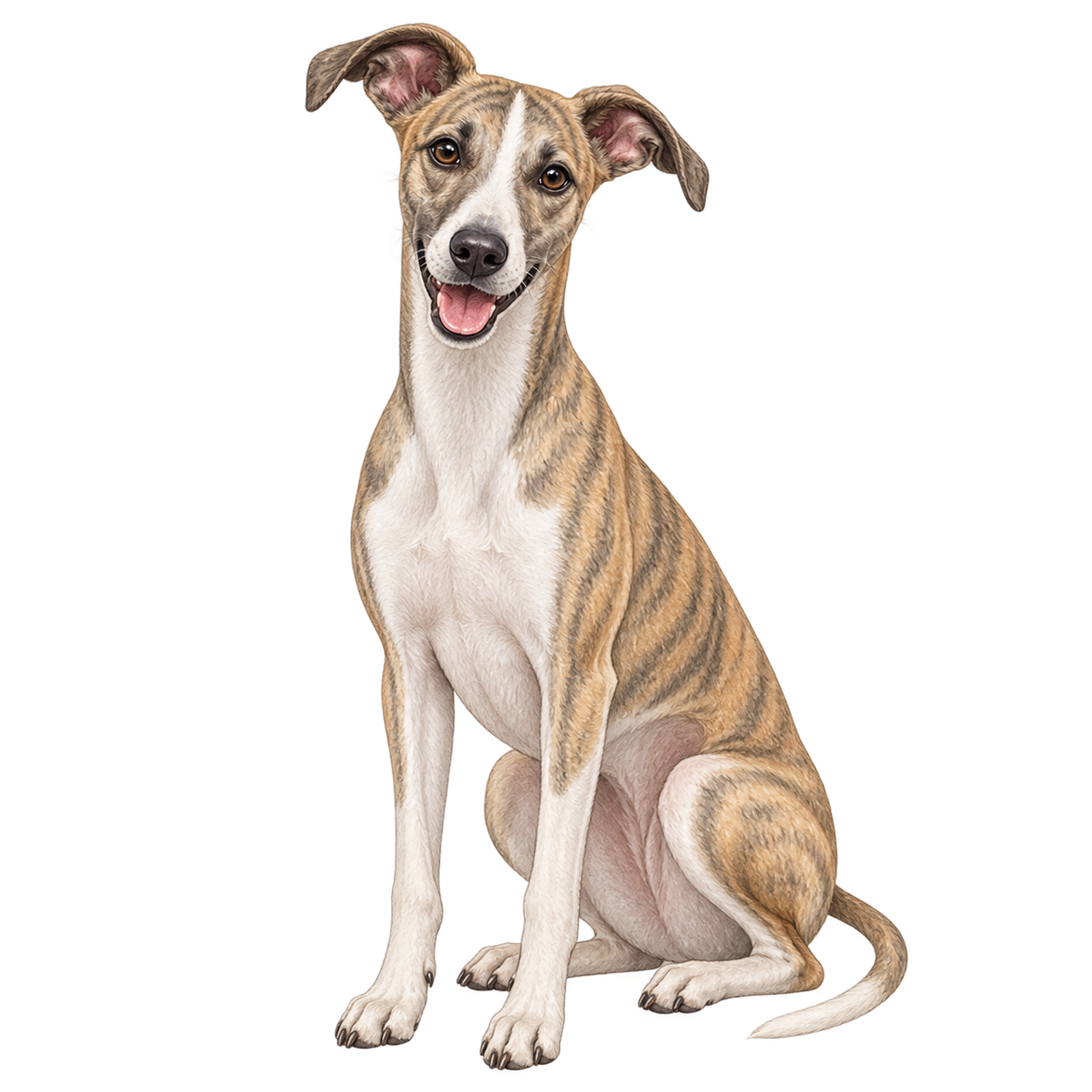
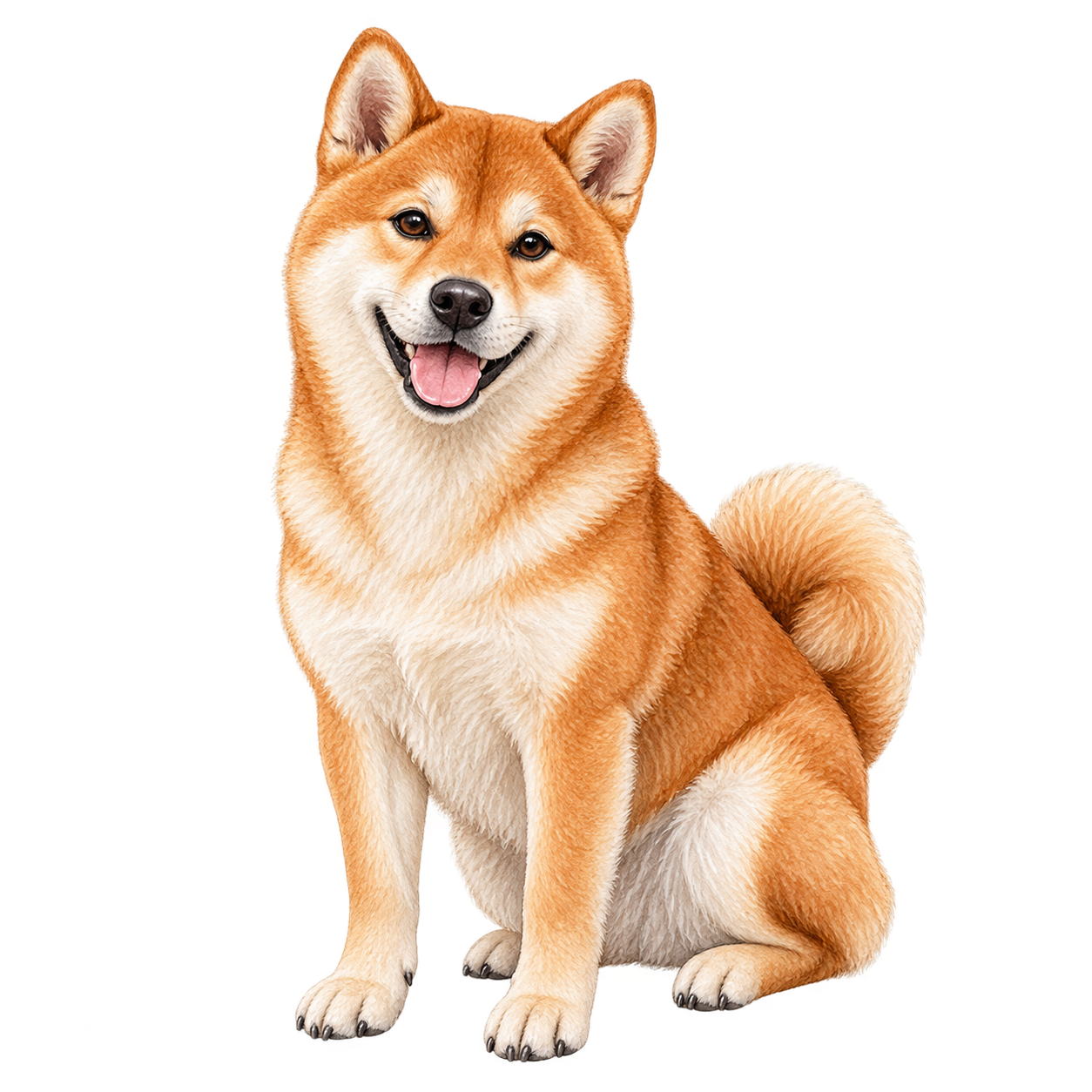
Frequently asked questions
- Are Azawakhs good family dogs?
- For experienced owners who understand sighthounds and guarding breeds, yes. They are devoted but aloof with strangers.
- Do Azawakhs need a lot of exercise?
- Moderate daily exercise plus regular sprints in a secure area.
- Are Azawakhs rare?
- Yes, very. Expect a long search for a responsible breeder.