Hound group
Afghan Hound
Aristocratic, aloof and breathtakingly fast — a glamorous sighthound with a mind of its own.
Afghan Hounds are elegant sighthounds with a flowing silky coat and a dignified, independent personality. They are affectionate with their people on their own terms, need secure space to run, and demand serious grooming.
- Height
- 25–27 in64–69 cm
- Weight
- 50–60 lb23–27 kg
- Life expectancy
- 12–18 years
- Size
- Large
- Group
- Hound
- Origin
- Afghanistan
Coat: Long, fine, silky coat with a short-haired “saddle” on the back. Colours: Black, Cream, Red, Silver, Blue, Brindle, Black and tan, Domino.
At a glance
Ratings describe typical dogs of the breed on a 1–5 scale. Individual dogs vary with lines, upbringing and training.
Temperament
Afghans are dignified, sensitive and often aloof with strangers. With family they can be playful and clownish, but they are rarely clingy. They are famously independent and not driven to please.
Their prey drive is extreme — anything small and fast is fair game — and they have no road sense. Recall is unreliable, so exercise happens in securely fenced areas. They are sensitive to harsh handling and loud, chaotic homes.
Living with a Afghan Hound
Exercise
About an hour a day of walking plus regular chances to gallop in a secure, fenced area.
Grooming
Very demanding: brush the full coat thoroughly several times a week and bathe regularly. Many pet owners keep a shorter clip.
Training
Independent and easily bored; short, positive sessions work best. Never rely on recall in open spaces.
Kids & other pets
Good with considerate older children. Usually fine with other dogs; unsafe with cats and small pets unless raised with them.
Time alone
Tolerates alone time better than many breeds, but needs exercise and a secure home.
Home fit
Can manage in an apartment with committed daily exercise; a house with outdoor space is easier.
Is a Afghan Hound right for you?
Take the Breed Fit quiz to see how a Afghan Hound matches your home, schedule and tolerance for shedding, barking and exercise — or find out which breed matches your personality with Dogsona.
Health
With good breeding and care, a Afghan Hound typically lives 12–18 years. These are the conditions most associated with the breed — not a prediction for any individual dog.
Hip dysplasia
Screened parents reduce the risk of joint disease.
Hypothyroidism
Common in the breed; affects coat and weight and is managed with medication.
Cataracts
Juvenile and adult cataracts occur; annual eye exams help.
Anaesthesia sensitivity
Sighthounds’ low body fat affects drug metabolism; choose a vet familiar with sighthounds.
Laryngeal paralysis
Seen in older Afghans; noisy breathing and exercise intolerance are warning signs.
Ask a breeder for
- Hip evaluation
- Eye examination
- Thyroid evaluation
Sources: OFA CHIC breed requirements: Afghan Hound; Afghan Hound Club of America. This is general information, not veterinary advice — talk to your vet about your own dog.
Cost to own
After the first year, expect roughly $1,500–$3,000 a year for food, routine vet care, preventives, insurance and supplies (US estimate).
- Professional grooming every 6–8 weeks adds roughly $500–$900 a year.
- Food, medication and anaesthesia are dosed by weight, so every vet visit costs more for a big dog.
- Pet insurance for a puppy typically runs $30–$60 a month; premiums rise with age and breed risk.
History
Afghans developed in the mountains of Afghanistan and neighbouring regions, where their speed, agility and thick coats suited hunting hare, gazelle and even leopard over rough, cold terrain.
British officers brought them to the West in the late 1800s and early 1900s. The AKC recognised the breed in 1926, and Afghans became glamorous show dogs. In 2005 an Afghan named Snuppy became the world’s first cloned dog.
Did you know?
- Snuppy, the first cloned dog (2005), was an Afghan Hound.
- Pablo Picasso owned an Afghan named Kabul.
- Afghans have large, padded feet that protected them on rough mountain terrain.
Library guides for Afghan Hound owners
Grooming
Brushing
Afghan Hound coats mat without regular brushing.
Grooming
Bathing
How to bath a Afghan Hound without drying out the coat.
Training
Come (Recall)
High chase drive makes a reliable recall essential.
Exercise & Play
Tug of War
An energy outlet that also builds impulse control.
Grooming
Ear Cleaning
Ear care matters for this coat and ear type.
Exercise & Play
Dog Walking
Getting daily walks right for a Afghan Hound.
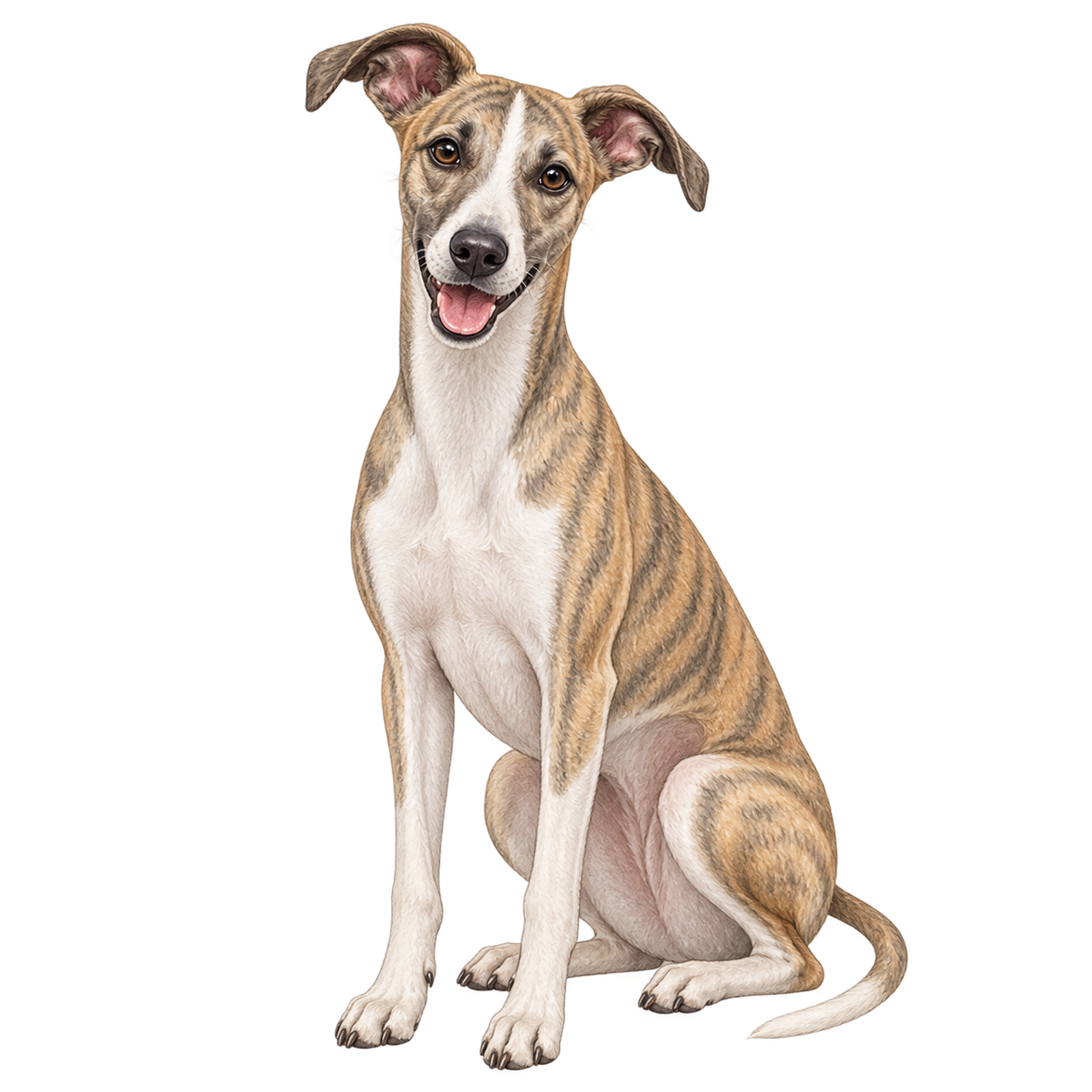
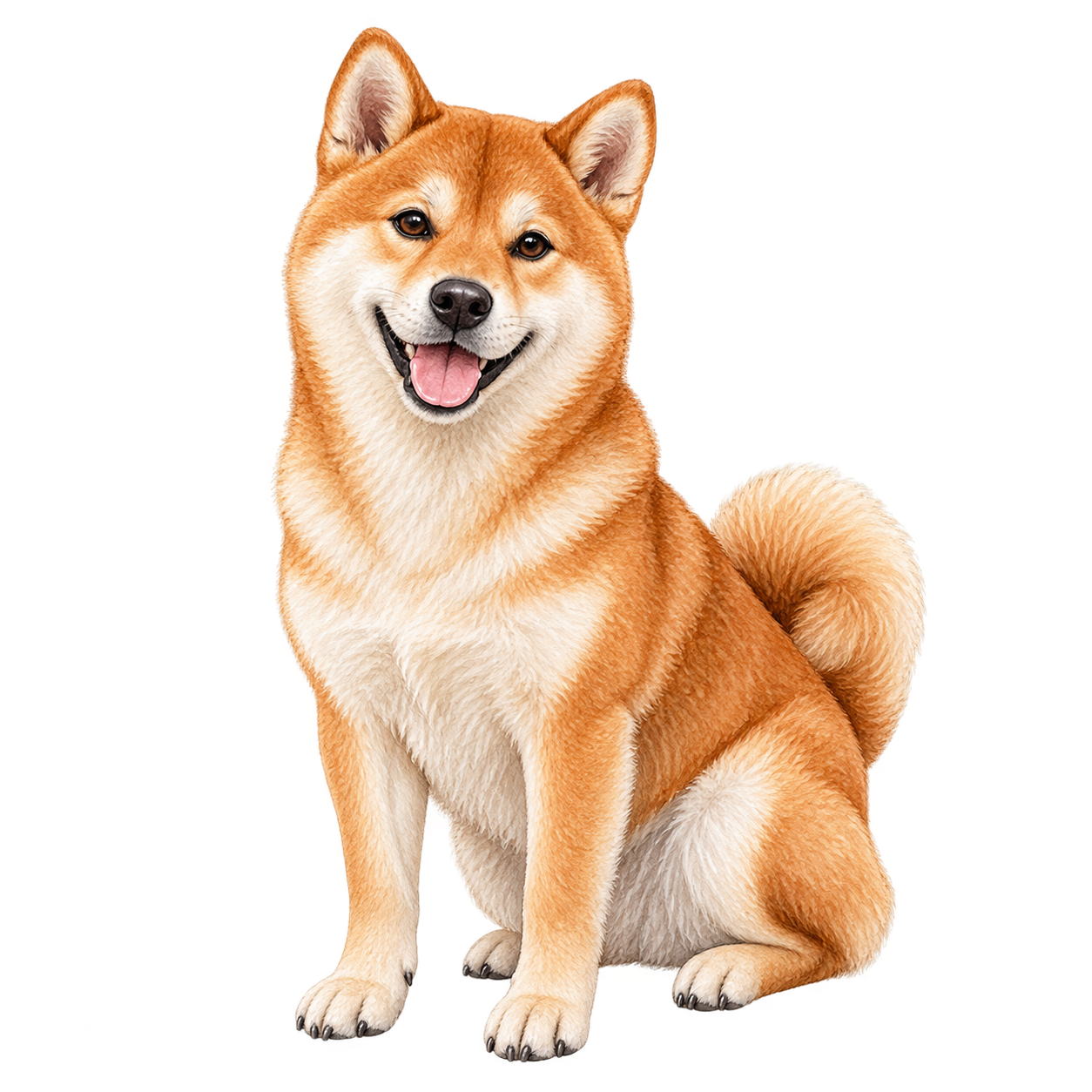
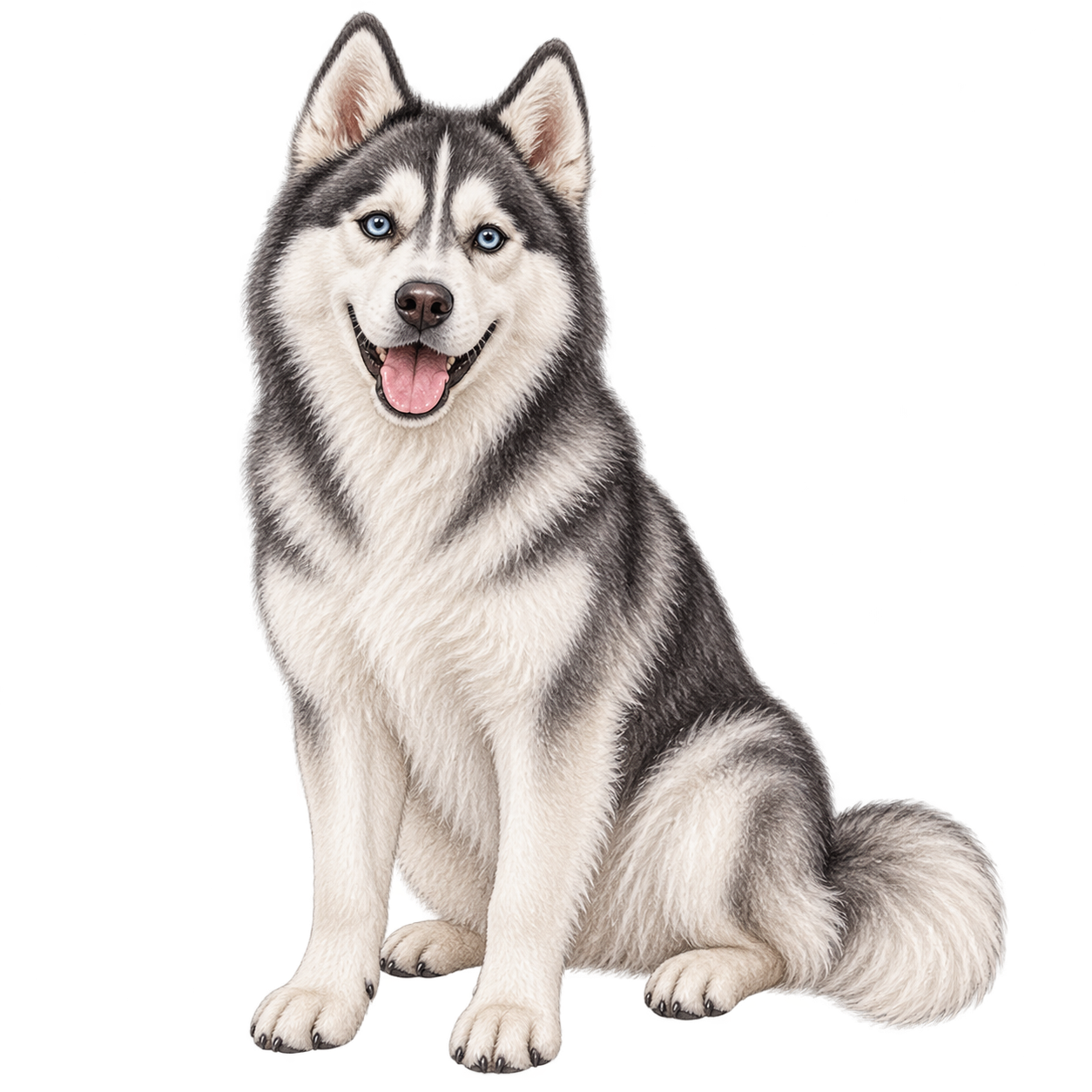
Similar breeds
Frequently asked questions
- Are Afghan Hounds hard to train?
- They are independent rather than eager to please. Patient, reward-based training works, but recall is rarely reliable.
- How much grooming does an Afghan need?
- A lot — several hours a week for a full coat. Shorter pet clips reduce the work.
- Are Afghan Hounds good with kids?
- They can be with respectful older children, but they dislike rough handling.