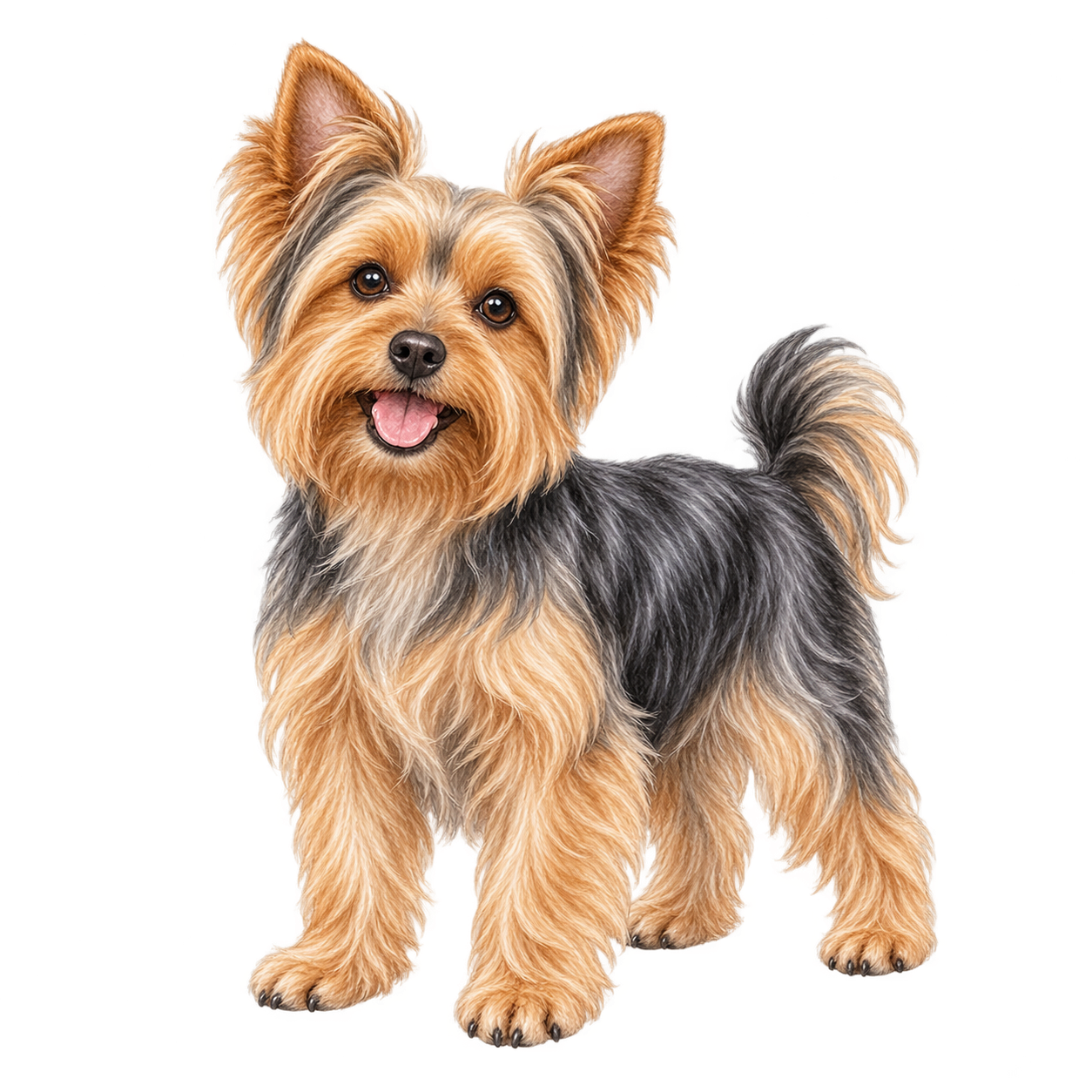
Toy group
Yorkshire Terrier
Tiny, feisty and glamorous — a terrier’s heart in a toy body.
Yorkshire Terriers are bold, affectionate toy dogs with silky coats. They are lively companions for apartments and adults, but they need gentle handling, grooming and dental care.
- Height
- 7–8 in18–20 cm
- Weight
- 4–7 lb2–3 kg
- Life expectancy
- 11–15 years
- Size
- Toy
- Group
- Toy
- Origin
- Yorkshire, England
Coat: Long, silky, fine single coat. Colours: Blue and tan, Black and tan, Blue and gold, Black and gold.
At a glance
Ratings describe typical dogs of the breed on a 1–5 scale. Individual dogs vary with lines, upbringing and training.
Temperament
Yorkies are confident, curious and affectionate. They love attention and often bond closely with one person. They make alert watchdogs.
They can be bossy, vocal and wary of strangers. Their terrier instincts make them feisty with other dogs and small animals.
Living with a Yorkshire Terrier
Exercise
Short walks and play, around 30–45 minutes daily. Yorkies enjoy exploring and scent games more than long distances.
Grooming
Long coats need daily brushing; many owners keep a shorter cut. Brush teeth daily.
Training
Smart but stubborn, with a terrier streak. House-training takes patience; an indoor toilet option helps. Teach a “quiet” cue early.
Kids & other pets
Best with adults or older children who handle them gently. Can be scrappy with larger dogs and will chase small animals.
Time alone
Tolerates moderate alone time but may bark at noises. Build independence gradually so a strong bond does not become separation stress.
Home fit
Adapts well to apartments and smaller homes when daily needs are met.
Is a Yorkshire Terrier right for you?
Take the Breed Fit quiz to see how a Yorkshire Terrier matches your home, schedule and tolerance for shedding, barking and exercise — or find out which breed matches your personality with Dogsona.
Health
With good breeding and care, a Yorkshire Terrier typically lives 11–15 years. These are the conditions most associated with the breed — not a prediction for any individual dog.
Patellar luxation
Loose kneecaps are very common in toy breeds; watch for skipping on a back leg.
Tracheal collapse
Use a harness instead of a collar.
Portosystemic shunt
An abnormal blood vessel bypassing the liver.
Dental disease
Crowded teeth need daily care.
Legg-Calvé-Perthes disease
Degeneration of the hip joint.
Ask a breeder for
- Patella evaluation
- Eye examination
- Liver function testing (bile acids)
Sources: OFA CHIC breed requirements: Yorkshire Terrier; Yorkshire Terrier Club of America. This is general information, not veterinary advice — talk to your vet about your own dog.
Cost to own
After the first year, expect roughly $900–$1,800 a year for food, routine vet care, preventives, insurance and supplies (US estimate).
- Professional grooming every 6–8 weeks adds roughly $500–$900 a year.
- Pet insurance for a puppy typically runs $30–$60 a month; premiums rise with age and breed risk.
History
Yorkies were developed in 19th-century Yorkshire by working-class weavers and miners to catch rats in mills and mines.
A dog named Huddersfield Ben is considered the father of the breed. The AKC recognised the Yorkshire Terrier in 1885.
Did you know?
- A Yorkie named Smoky served in World War II and is considered one of the first therapy dogs.
- Yorkie puppies are born black and tan and lighten as they mature.
- The Yorkie coat is similar in texture to human hair.
Library guides for Yorkshire Terrier owners
Grooming
Brushing
Yorkshire Terrier coats mat without regular brushing.
Grooming
Bathing
How to bath a Yorkshire Terrier without drying out the coat.
Grooming
Ear Cleaning
Ear care matters for this coat and ear type.
Exercise & Play
Dog Walking
Getting daily walks right for a Yorkshire Terrier.
Grooming
Nail Clipping
Every dog needs regular nail care.
New Dog Owners
How to find a reputable dog breeder
What to ask a Yorkshire Terrier breeder about health screening.
Similar breeds
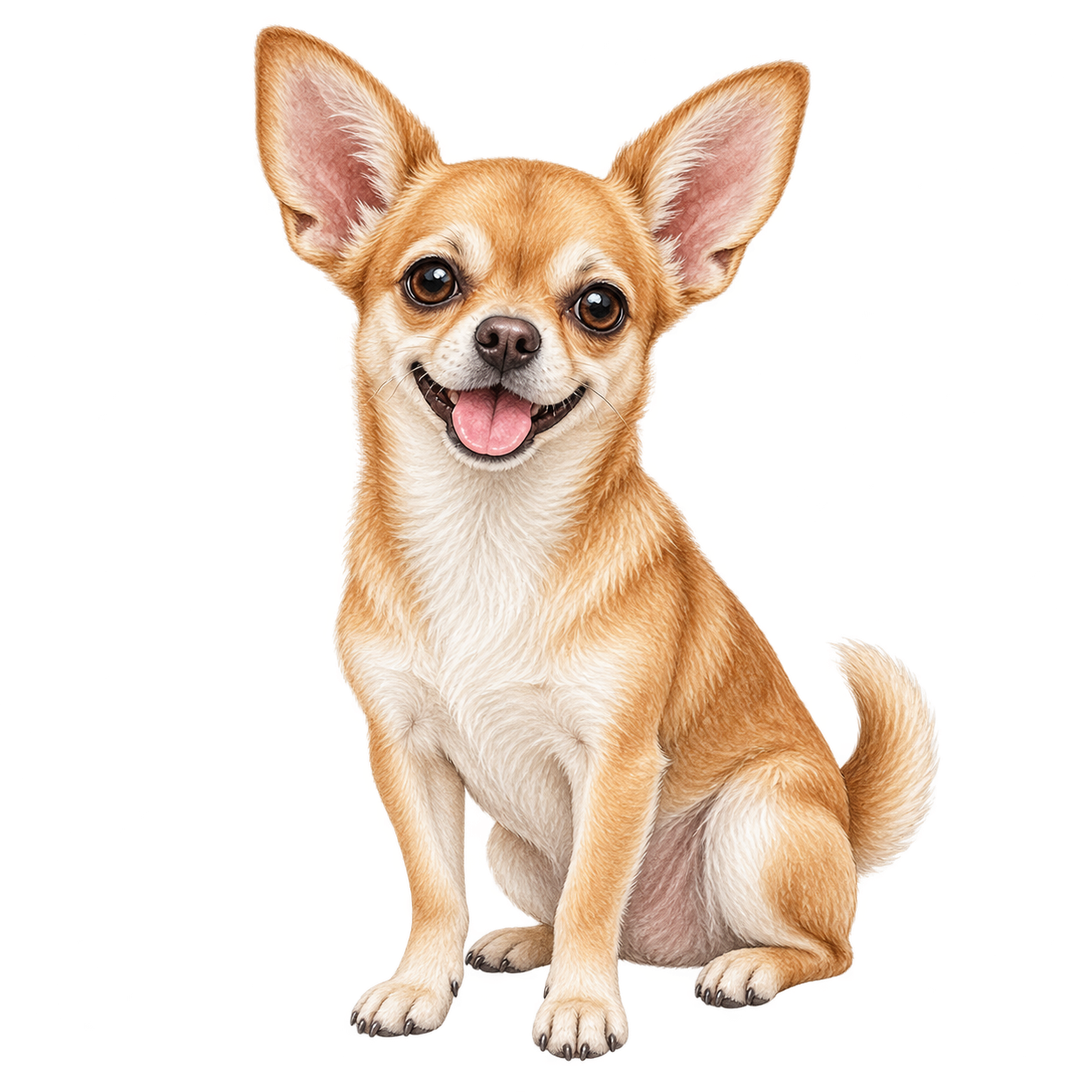
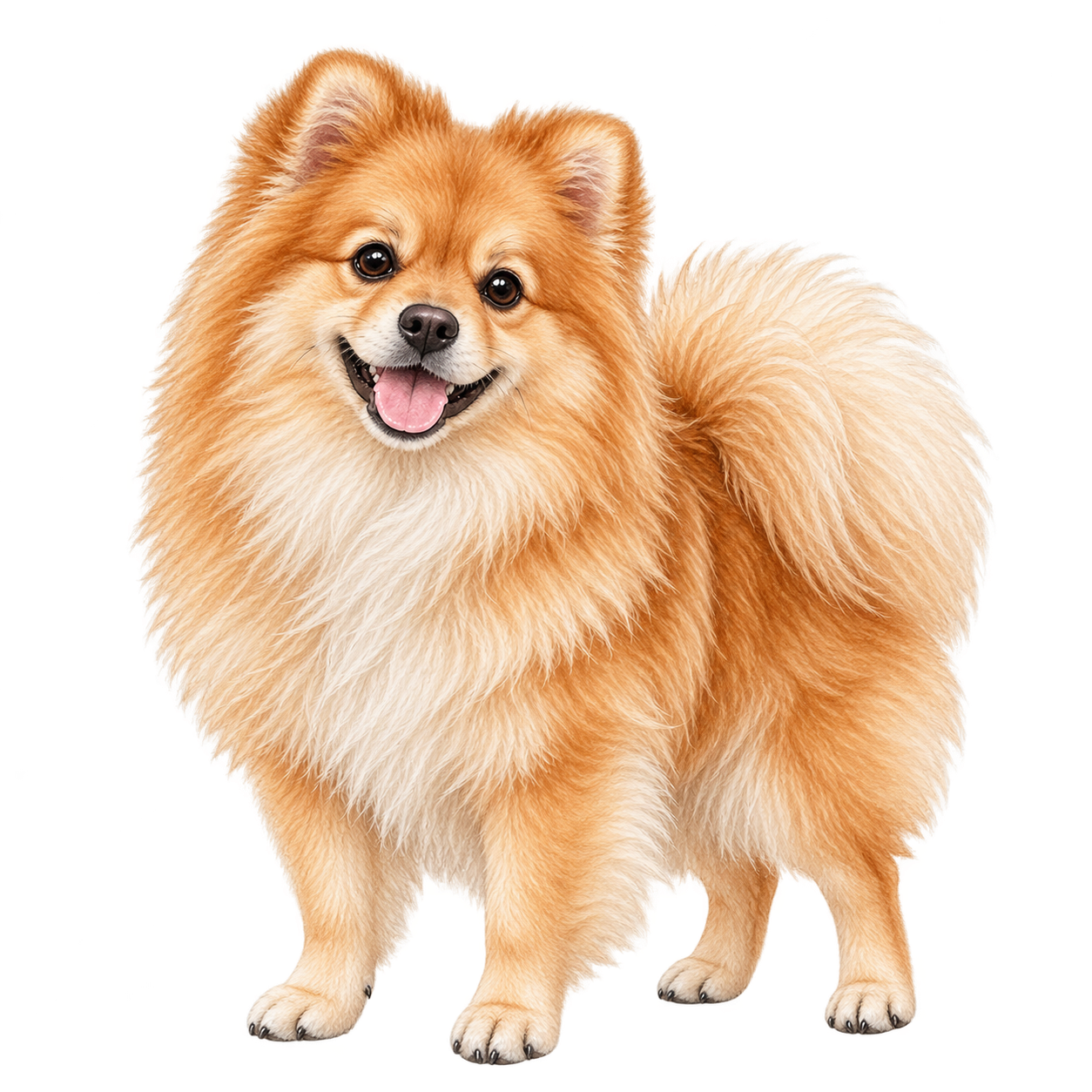
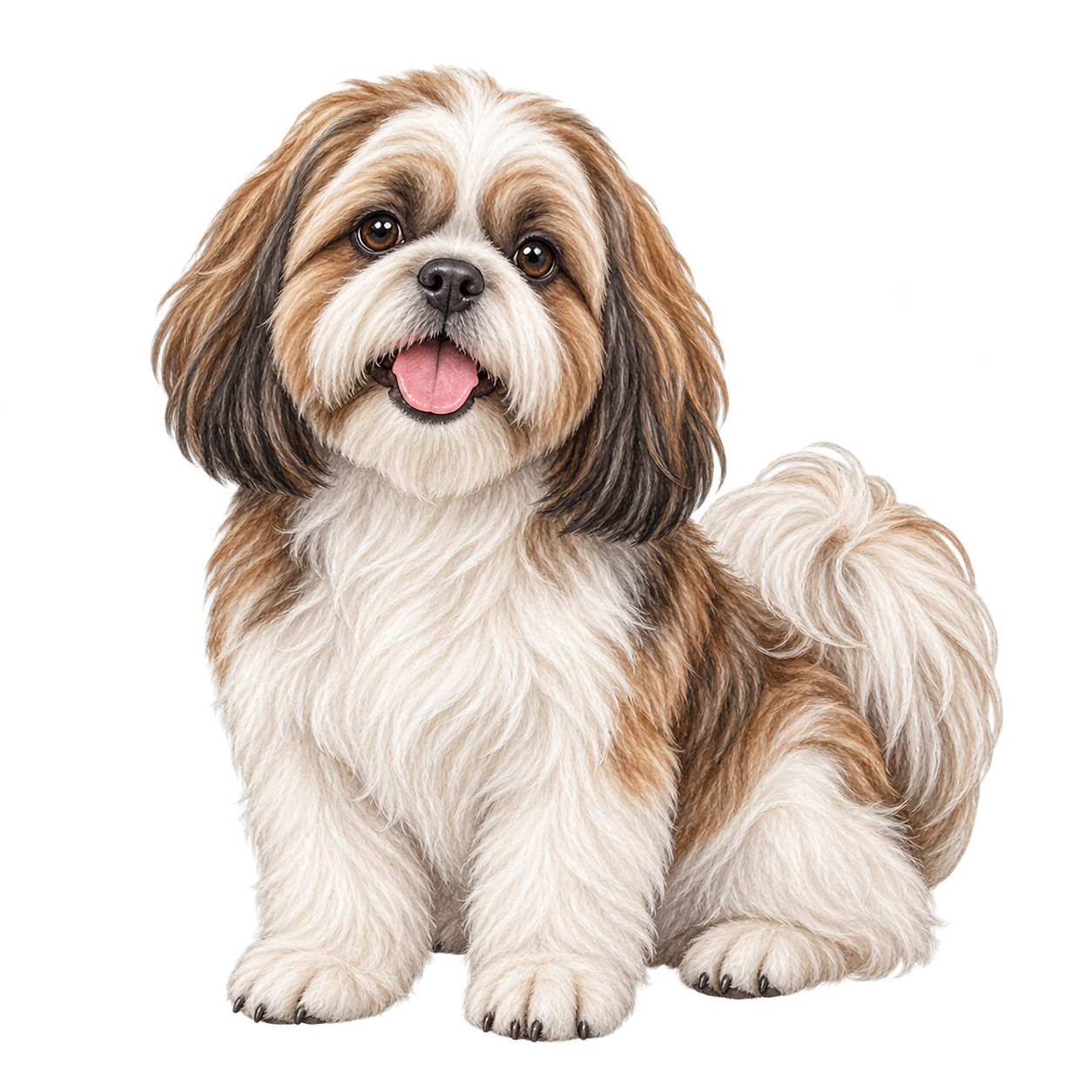
Frequently asked questions
- Are Yorkies hypoallergenic?
- No dog is truly hypoallergenic, but Yorkies shed very little.
- Are Yorkies good with kids?
- They are better with older, gentle children.
- Do Yorkies bark a lot?
- They can be vocal; training helps.