Working group
Tibetan Mastiff
An ancient Himalayan guardian — majestic, aloof and nocturnally vigilant.
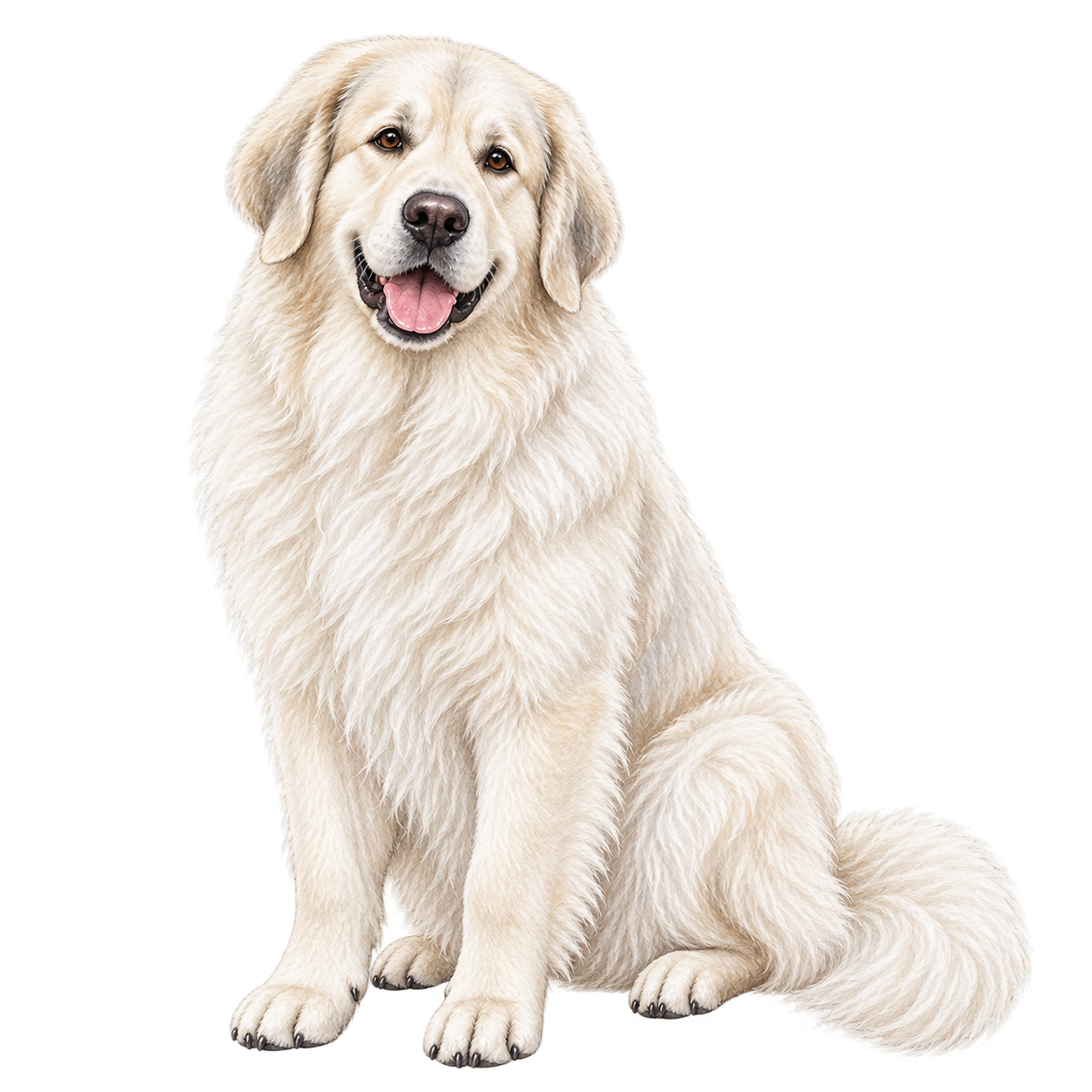
Tibetan Mastiffs are massive, lion-maned guardian dogs from the Himalayas. They are loyal to their families but independent, protective and noisy at night, and they suit only experienced owners.
- Height
- 24–26 in61–66 cm
- Weight
- 70–150 lb32–68 kg
- Life expectancy
- 10–12 years
- Size
- Giant
- Group
- Working
- Origin
- Tibet (Himalayas)
Coat: Thick, heavy double coat with a mane. Colours: Black, Brown, Blue-grey, Gold, With or without tan markings.
At a glance
Ratings describe typical dogs of the breed on a 1–5 scale. Individual dogs vary with lines, upbringing and training.
Temperament
Tibetan Mastiffs are calm, dignified and devoted to their families. They are often gentle with their own people, including children, but reserved and aloof otherwise.
They were bred to guard villages and flocks at night, so they are territorial and often bark after dark. They are independent and stubborn, and training requires patience and early socialisation.
Living with a Tibetan Mastiff
Exercise
Moderate: daily walks and space to patrol. They are not built for jogging, but need a large, securely fenced yard.
Grooming
Brush weekly; females typically shed their undercoat heavily once a year. Otherwise low odour.
Training
Independent and stubborn; patient, consistent training and extensive early socialisation are essential.
Kids & other pets
Protective and loyal with their own family; supervise visitors and unfamiliar children. Can be dominant with dogs.
Time alone
Content guarding a property, but they bark at night and need secure fencing to prevent roaming.
Home fit
Best suited to a house with secure outdoor space; apartment living is hard on this breed and its neighbours.
Is a Tibetan Mastiff right for you?
Take the Breed Fit quiz to see how a Tibetan Mastiff matches your home, schedule and tolerance for shedding, barking and exercise — or find out which breed matches your personality with Dogsona.
Health
With good breeding and care, a Tibetan Mastiff typically lives 10–12 years. These are the conditions most associated with the breed — not a prediction for any individual dog.
Hip and elbow dysplasia
Screened parents reduce the risk of joint disease.
Hypothyroidism
An underactive thyroid; managed with daily medication.
Canine inherited demyelinative neuropathy
A rare inherited nerve disease affecting puppies.
Entropion
Inward-rolling eyelids occur and may need surgery.
Ask a breeder for
- Hip and elbow evaluation
- Thyroid evaluation
- Eye examination
Sources: OFA CHIC breed requirements: Tibetan Mastiff; American Tibetan Mastiff Association. This is general information, not veterinary advice — talk to your vet about your own dog.
Cost to own
After the first year, expect roughly $2,000–$4,000 a year for food, routine vet care, preventives, insurance and supplies (US estimate).
- Food, medication and anaesthesia are dosed by weight, so every vet visit costs more for a big dog.
- Pet insurance for a puppy typically runs $30–$60 a month; premiums rise with age and breed risk.
History
Tibetan Mastiffs have guarded nomads’ flocks, villages and monasteries in the Himalayas for centuries, tethered by day and free to patrol at night. Marco Polo is often said to have described them.
The breed reached the West in the 1800s but remained rare. In China it became a status symbol, with some dogs selling for very high prices. The AKC recognised the Tibetan Mastiff in 2007.
Did you know?
- Tibetan Mastiffs typically have only one heat cycle a year, unlike most breeds.
- In China, some Tibetan Mastiffs have sold for more than a million US dollars.
- They are often most active and alert at night.
Library guides for Tibetan Mastiff owners
Training
Come (Recall)
High chase drive makes a reliable recall essential.
Training
Heel and Loose-Leash Walking
A strong Tibetan Mastiff needs loose-lead manners early.
Grooming
Ear Cleaning
Ear care matters for this coat and ear type.
Exercise & Play
Dog Walking
Getting daily walks right for a Tibetan Mastiff.
Grooming
Nail Clipping
Every dog needs regular nail care.
New Dog Owners
How to find a reputable dog breeder
What to ask a Tibetan Mastiff breeder about health screening.
Similar breeds
Frequently asked questions
- Are Tibetan Mastiffs good family dogs?
- For experienced owners with space, yes. They are loyal but independent and protective.
- Do Tibetan Mastiffs bark a lot?
- Yes, particularly at night.
- Do Tibetan Mastiffs shed?
- They shed heavily once a year, with light shedding otherwise.