Toy group
Papillon
The butterfly dog — tiny, bright and one of the most trainable toy breeds.
Papillons are small, elegant toy spaniels famous for their butterfly-wing ears. They are lively, clever and affectionate, excelling at agility and tricks, with a coat that is easier to care for than it looks.
- Height
- 8–11 in20–28 cm
- Weight
- 5–10 lb2–5 kg
- Life expectancy
- 14–16 years
- Size
- Toy
- Group
- Toy
- Origin
- France and Belgium
Coat: Long, silky, flowing single coat with fringed “butterfly” ears. Colours: White with patches of any colour, Tricolour.
At a glance
Ratings describe typical dogs of the breed on a 1–5 scale. Individual dogs vary with lines, upbringing and training.
Temperament
Papillons are happy, alert and friendly. They love learning and are among the most trainable toy breeds, often competing successfully in agility and obedience.
They are active and curious and can be vocal. Some are reserved with strangers, and their small size means careful handling around young children.
Varieties
- Papillon
- Upright, fringed ears that resemble butterfly wings.
- Phalène
- Drooping ears, said to resemble a moth’s folded wings; shown as the same breed.
Living with a Papillon
Exercise
About 30–45 minutes of walks and play daily, plus training games. They love agility.
Grooming
Brush a couple of times a week; the single coat rarely mats. Moderate shedding.
Training
Very trainable and eager; reward-based methods work brilliantly. Teach a quiet cue early.
Kids & other pets
Good with gentle, older children. Usually friendly with other pets; supervise with big dogs.
Time alone
Tolerates moderate alone time but prefers company; provide puzzles and a routine.
Home fit
Adapts well to apartments and smaller homes when daily needs are met.
Is a Papillon right for you?
Take the Breed Fit quiz to see how a Papillon matches your home, schedule and tolerance for shedding, barking and exercise — or find out which breed matches your personality with Dogsona.
Health
With good breeding and care, a Papillon typically lives 14–16 years. These are the conditions most associated with the breed — not a prediction for any individual dog.
Patellar luxation
Loose kneecaps are common in toy breeds.
Progressive retinal atrophy
Inherited vision loss; a DNA test (PRA1) is available.
Dental disease
Small jaws are prone to tartar; brush daily.
Neuroaxonal dystrophy
A rare fatal inherited neurological disease; a DNA test identifies carriers.
Von Willebrand disease
An inherited bleeding disorder occurs in the breed.
Ask a breeder for
- Patella evaluation
- Eye examination
- Cardiac examination
- DNA test for PRA1
Sources: OFA CHIC breed requirements: Papillon; Papillon Club of America. This is general information, not veterinary advice — talk to your vet about your own dog.
Cost to own
After the first year, expect roughly $900–$1,800 a year for food, routine vet care, preventives, insurance and supplies (US estimate).
- Pet insurance for a puppy typically runs $30–$60 a month; premiums rise with age and breed risk.
History
Toy spaniels resembling Papillons appear in European paintings from the 1500s, including works by Titian and Rubens. They were favourites of royalty, including Marie Antoinette.
Originally most had drooping ears (the Phalène); the upright-eared type became popular later. The AKC recognised the Papillon in 1915, and a Papillon named Kirby won Westminster Best in Show in 1999.
Did you know?
- “Papillon” is French for butterfly.
- A Papillon named Kirby won Westminster Best in Show in 1999.
- Papillons often outscore much larger breeds in agility and obedience.
Library guides for Papillon owners
Exercise & Play
Hide and Seek
Brain work that tires busy minds.
Exercise & Play
Dog Walking
Getting daily walks right for a Papillon.
Grooming
Nail Clipping
Every dog needs regular nail care.
New Dog Owners
How to find a reputable dog breeder
What to ask a Papillon breeder about health screening.
New Dog Owners
The real cost of a puppy: what to budget before you bring one home
Budget for the first year and beyond.
Similar breeds
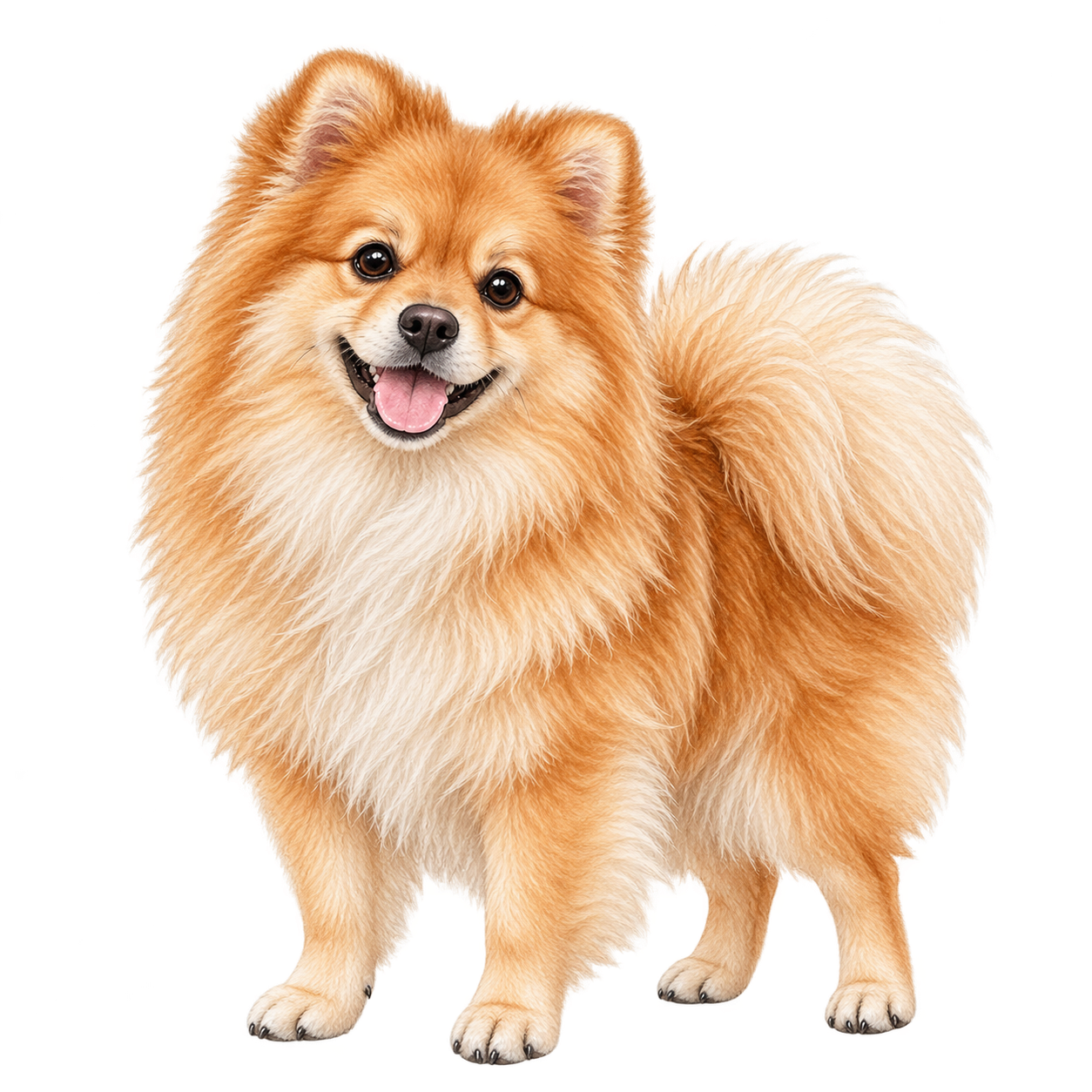
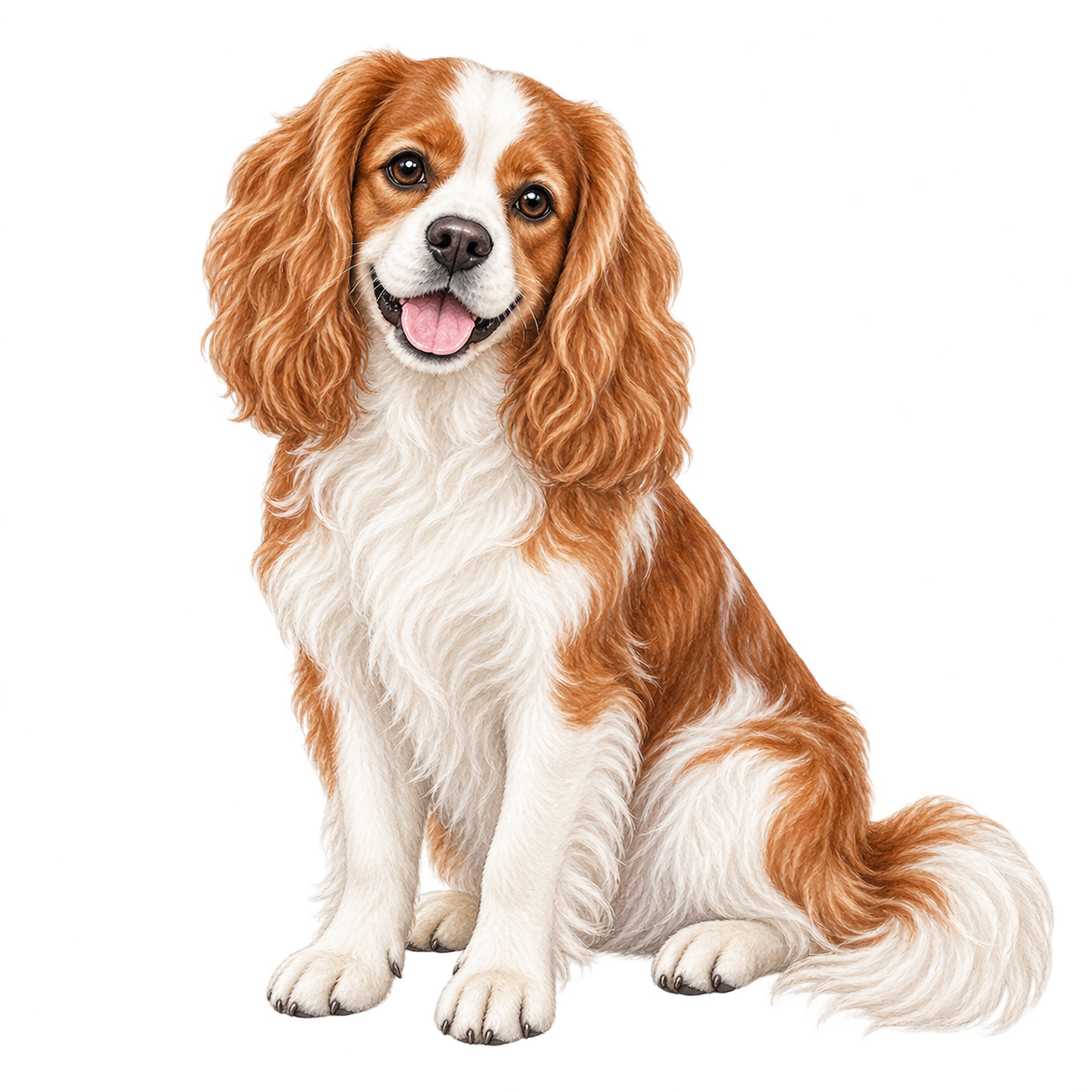
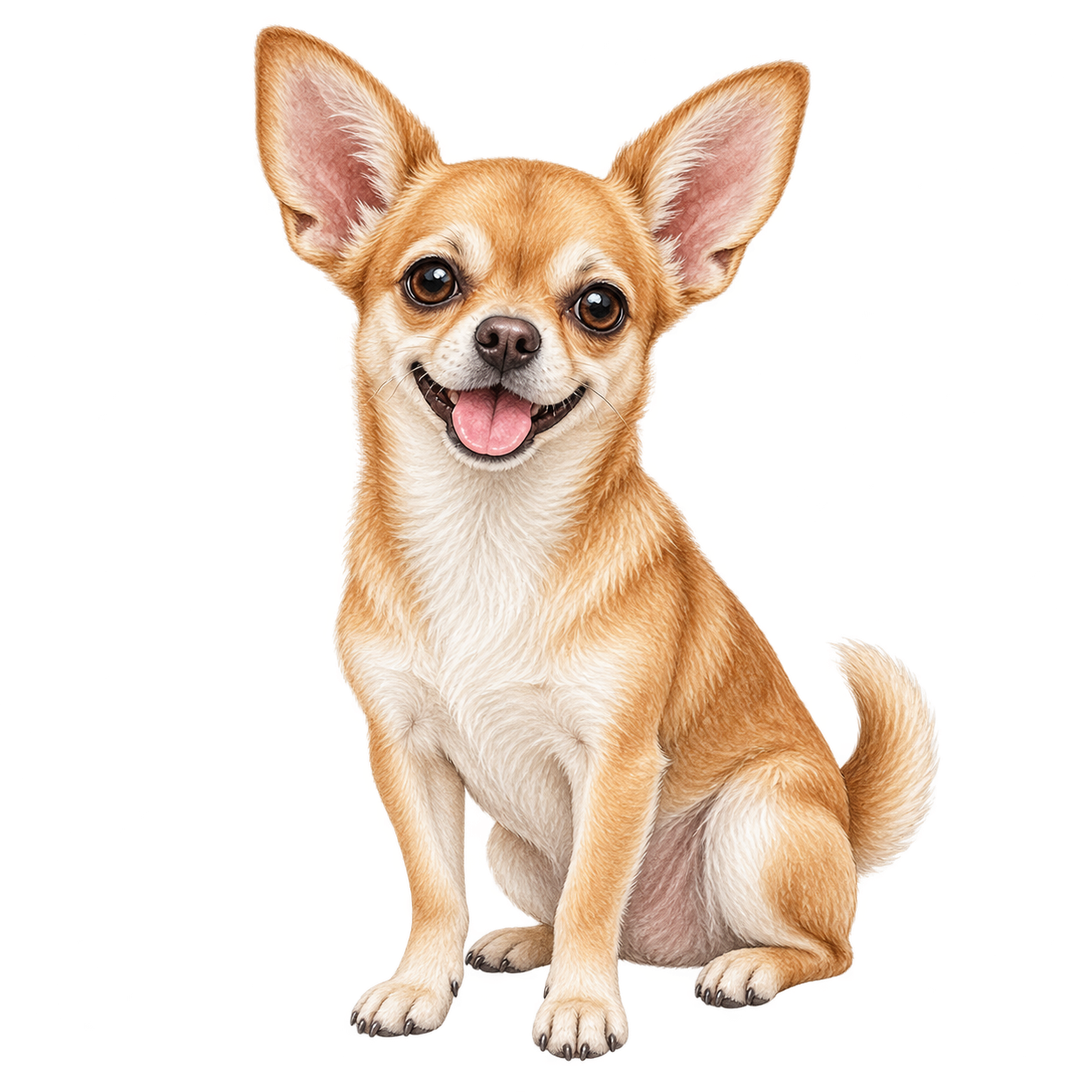
Frequently asked questions
- Are Papillons good family dogs?
- Yes, for families with gentle, older children.
- Do Papillons shed?
- Moderately, but their coat is easy to care for.
- Are Papillons easy to train?
- Yes — they are one of the most trainable toy breeds.