Working group
German Pinscher
A sleek, spirited ratter — the ancestor of the Doberman and Miniature Pinscher.
German Pinschers are medium-sized, athletic dogs bred to catch vermin and guard farms. They are intelligent, energetic and devoted, but strong-willed, watchful and in need of consistent training and exercise.
- Height
- 17–20 in43–51 cm
- Weight
- 25–45 lb11–20 kg
- Life expectancy
- 12–14 years
- Size
- Medium
- Group
- Working
- Origin
- Germany
Coat: Short, dense, glossy coat. Colours: Fawn (Isabella), Red, Stag red, Black and red, Blue and red.
At a glance
Ratings describe typical dogs of the breed on a 1–5 scale. Individual dogs vary with lines, upbringing and training.
Temperament
German Pinschers are lively, confident and affectionate with their families. They are alert watchdogs and enjoy being involved in everything.
They are clever and can be stubborn or manipulative with inconsistent owners. Their prey drive is strong, and some are dominant with other dogs. Daily exercise and mental work prevent destructive behaviour.
Living with a German Pinscher
Exercise
Needs an hour or more of daily exercise with running, games and training. They excel at agility and obedience.
Grooming
Minimal: weekly brushing and regular nail trims. Light shedding.
Training
Bright but strong-willed; firm, consistent, reward-based training and early socialisation are essential.
Kids & other pets
Loyal with their own family; better with older children. Can be dominant with dogs and unsafe with small pets.
Time alone
Tolerates moderate alone time if exercised, but bored German Pinschers bark, chew and dig.
Home fit
Can manage in an apartment with committed daily exercise; a house with outdoor space is easier.
Is a German Pinscher right for you?
Take the Breed Fit quiz to see how a German Pinscher matches your home, schedule and tolerance for shedding, barking and exercise — or find out which breed matches your personality with Dogsona.
Health
With good breeding and care, a German Pinscher typically lives 12–14 years. These are the conditions most associated with the breed — not a prediction for any individual dog.
Hip dysplasia
Screened parents reduce the risk of joint disease.
Cataracts
Hereditary cataracts occur; annual eye exams are recommended.
Von Willebrand disease
An inherited bleeding disorder; a DNA test is available.
Heart disease
Cardiac screening of breeding dogs is recommended by the parent club.
Ask a breeder for
- Hip evaluation
- Eye examination
- Cardiac examination
- DNA test for von Willebrand disease
Sources: OFA CHIC breed requirements: German Pinscher; German Pinscher Club of America. This is general information, not veterinary advice — talk to your vet about your own dog.
Cost to own
After the first year, expect roughly $1,200–$2,500 a year for food, routine vet care, preventives, insurance and supplies (US estimate).
- Pet insurance for a puppy typically runs $30–$60 a month; premiums rise with age and breed risk.
History
German Pinschers were farm dogs in Germany for centuries, catching rats and guarding stables and homes. They share ancestry with the Standard Schnauzer and helped create the Doberman Pinscher and the Miniature Pinscher.
After the World Wars the breed was almost extinct; German breeder Werner Jung rebuilt it in the 1950s from a handful of dogs. The AKC recognised the German Pinscher in 2003.
Did you know?
- The German Pinscher is an ancestor of the Doberman Pinscher.
- The breed was rebuilt from just a handful of dogs in the 1950s.
- German Pinschers were once called “rattenfanger”, or rat catchers.
Library guides for German Pinscher owners
Training
Come (Recall)
High chase drive makes a reliable recall essential.
Exercise & Play
Fetch
A fast way to meet a high exercise need.
Exercise & Play
Hide and Seek
Brain work that tires busy minds.
Training
Place / Go to Mat
Teaching a settle helps dogs that struggle to switch off.
Exercise & Play
Tug of War
An energy outlet that also builds impulse control.
Exercise & Play
Dog Walking
Getting daily walks right for a German Pinscher.
Similar breeds
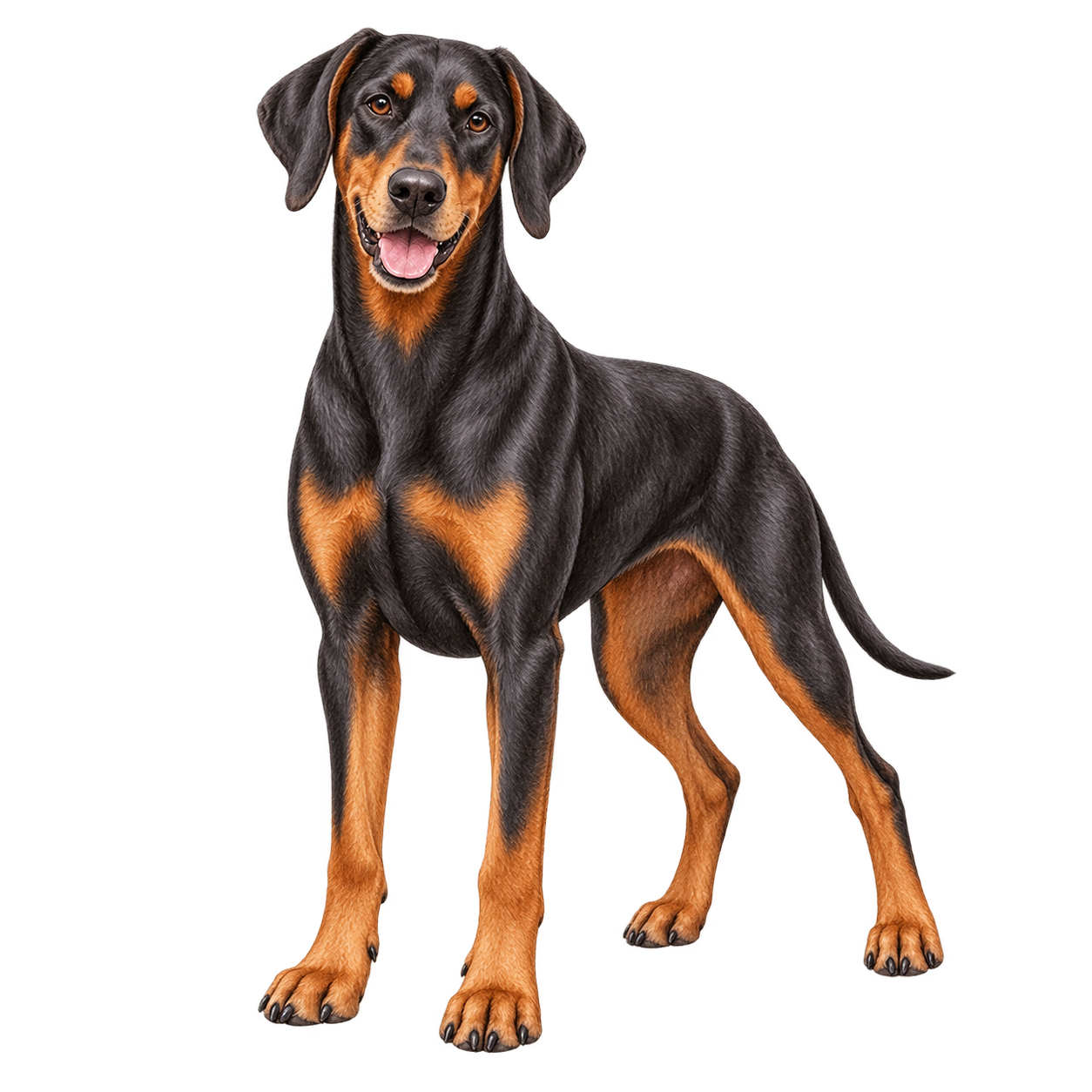
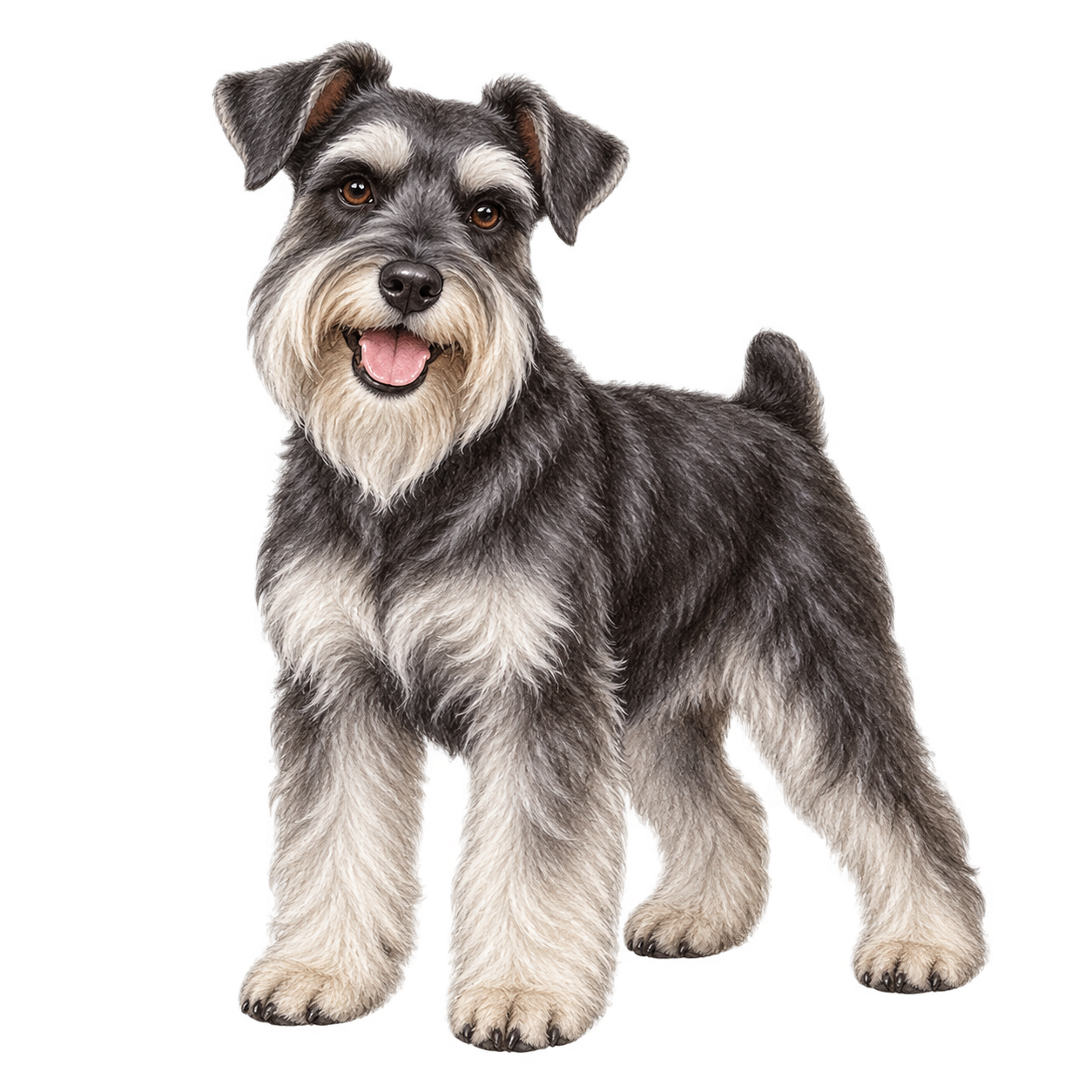
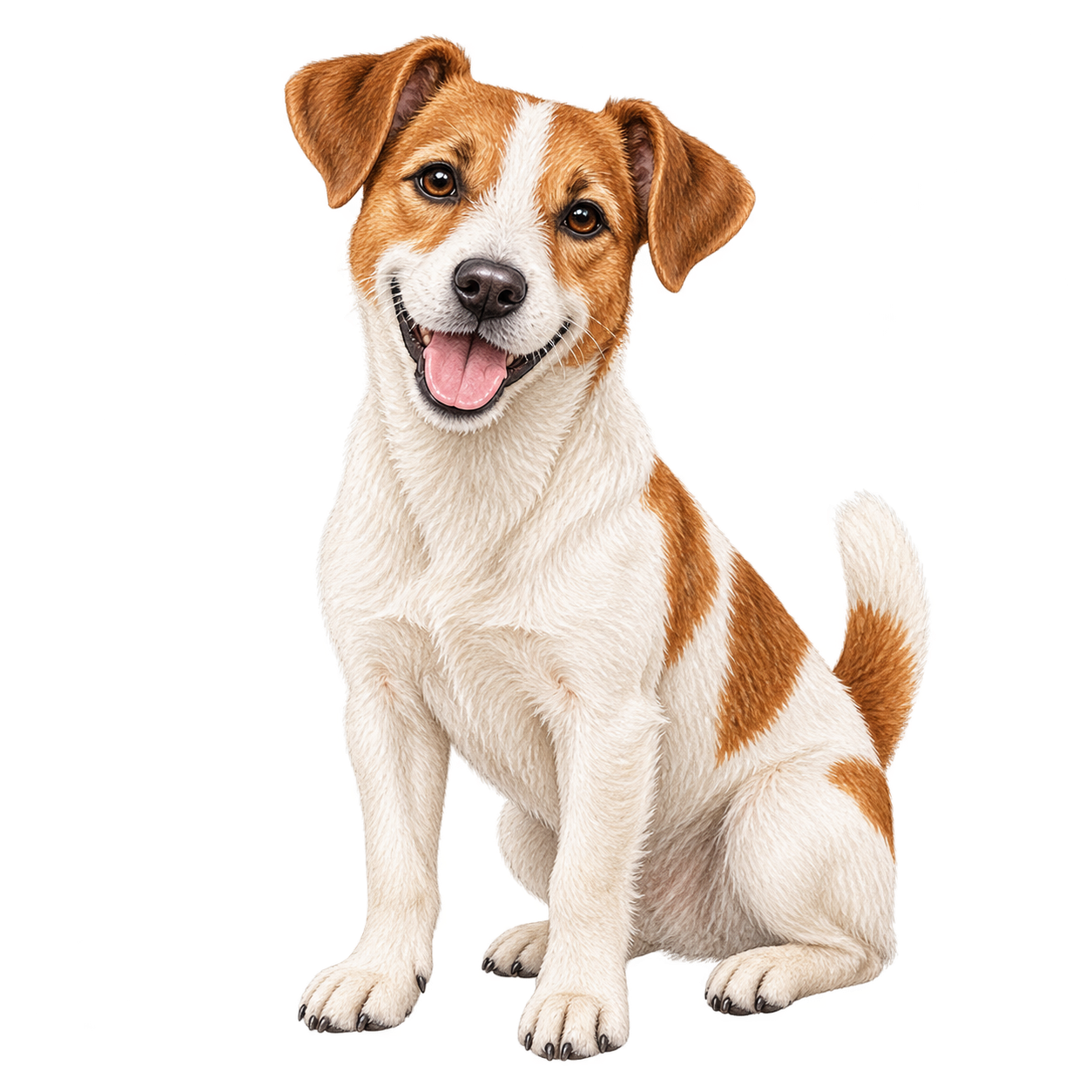
Frequently asked questions
- German Pinscher vs Doberman?
- German Pinschers are much smaller and were ratters; the Doberman was developed partly from them as a guard dog.
- Are German Pinschers good family dogs?
- For active, experienced families with older children, yes.
- Do German Pinschers shed?
- Lightly. Their short coat is easy to care for.