Terrier group
Bedlington Terrier
A lamb in looks, a terrier in spirit — gentle at home, fast as a whippet outdoors.
Bedlington Terriers are graceful, lamb-like terriers with a curly, low-shedding coat and surprising speed. They are affectionate and calm indoors, but have strong prey drive and need regular professional grooming.
- Height
- 15–17.5 in38–44 cm
- Weight
- 17–23 lb8–10 kg
- Life expectancy
- 11–16 years
- Size
- Medium
- Group
- Terrier
- Origin
- Northumberland, England
Coat: Crisp, curly, linty coat; low shedding. Colours: Blue, Sandy, Liver, Blue and tan, Sandy and tan, Liver and tan.
At a glance
Ratings describe typical dogs of the breed on a 1–5 scale. Individual dogs vary with lines, upbringing and training.
Temperament
Bedlingtons are gentle, loyal and playful. They love their families, are usually good with children and tend to be quieter than many terriers.
Beneath the soft look is a determined hunter. Many will chase small animals, and some are scrappy with other dogs if challenged.
Living with a Bedlington Terrier
Exercise
About an hour of daily exercise, including safe off-lead sprints in a secure area.
Grooming
Brush and comb several times a week and book a professional clip every six to eight weeks.
Training
Intelligent and responsive to gentle, reward-based training. Recall is difficult around prey.
Kids & other pets
Good with children and usually fine with dogs they know. Unsafe with rodents and often with cats.
Time alone
Tolerates moderate alone time and is usually calm indoors once exercised.
Home fit
Adapts well to apartments and smaller homes when daily needs are met.
Is a Bedlington Terrier right for you?
Take the Breed Fit quiz to see how a Bedlington Terrier matches your home, schedule and tolerance for shedding, barking and exercise — or find out which breed matches your personality with Dogsona.
Health
With good breeding and care, a Bedlington Terrier typically lives 11–16 years. These are the conditions most associated with the breed — not a prediction for any individual dog.
Copper toxicosis
An inherited liver disease causing copper build-up; the COMMD1 DNA test identifies affected dogs.
Eye disease
Retinal dysplasia and distichiasis occur; annual eye exams help.
Patellar luxation
Loose kneecaps occasionally occur.
Ask a breeder for
- DNA test for copper toxicosis (COMMD1)
- Eye examination
- Patella evaluation
Sources: OFA CHIC breed requirements: Bedlington Terrier; Bedlington Terrier Club of America. This is general information, not veterinary advice — talk to your vet about your own dog.
Cost to own
After the first year, expect roughly $1,200–$2,500 a year for food, routine vet care, preventives, insurance and supplies (US estimate).
- Professional grooming every 6–8 weeks adds roughly $500–$900 a year.
- Pet insurance for a puppy typically runs $30–$60 a month; premiums rise with age and breed risk.
History
The breed developed in the mining town of Bedlington, Northumberland, in the early 1800s. Miners and poachers used these fast, tough dogs to hunt rats, rabbits and badgers, and some were raced.
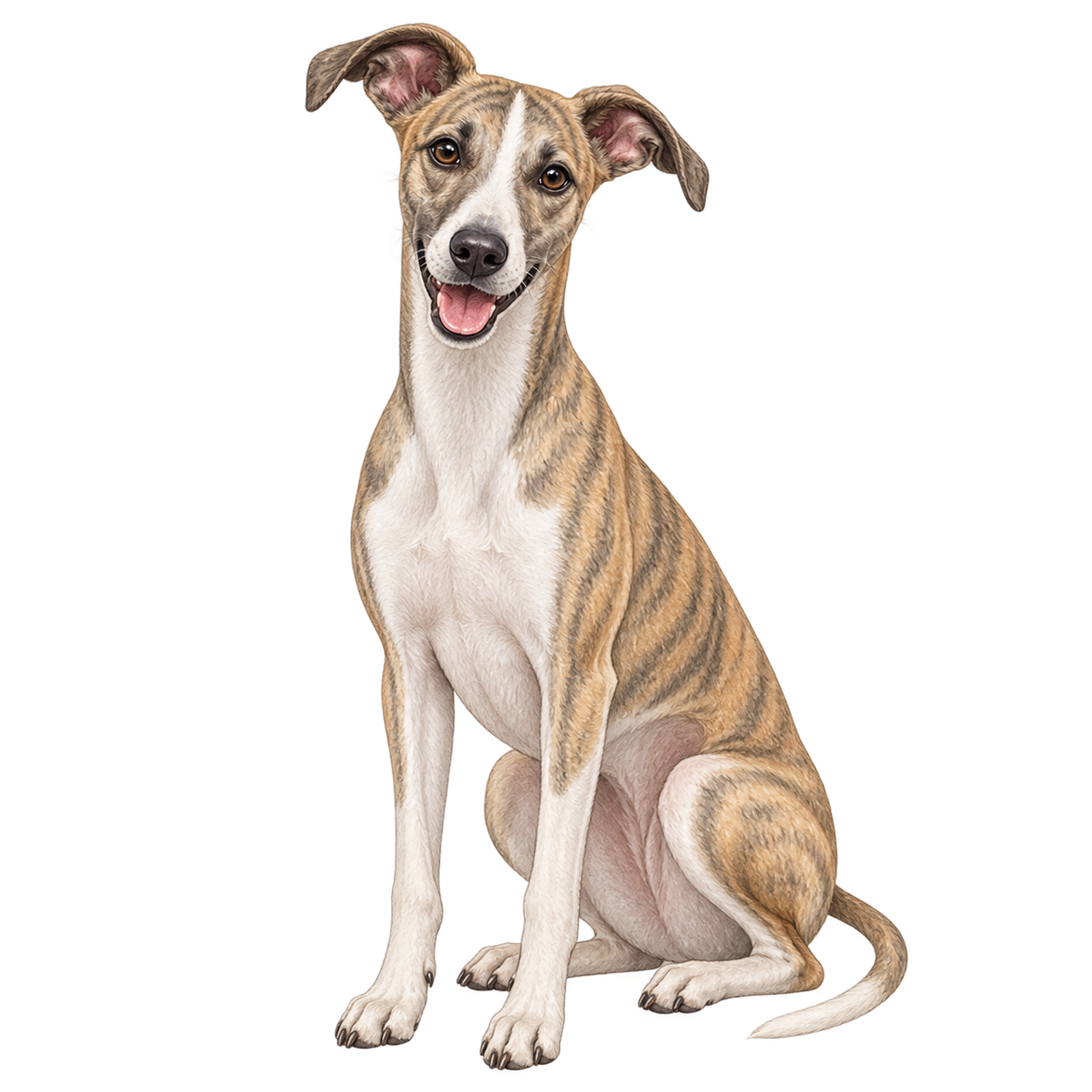
Whippet blood likely contributed to the Bedlington’s arched back and speed. The AKC recognised the breed in 1886.
Did you know?
- Bedlingtons are often said to look like lambs.
- Puppies are born dark and lighten as they mature.
- Bedlingtons can gallop at speeds similar to Whippets.
Library guides for Bedlington Terrier owners
Grooming
Brushing
Bedlington Terrier coats mat without regular brushing.
Grooming
Bathing
How to bath a Bedlington Terrier without drying out the coat.
Training
Come (Recall)
High chase drive makes a reliable recall essential.
Grooming
Ear Cleaning
Ear care matters for this coat and ear type.
Exercise & Play
Dog Walking
Getting daily walks right for a Bedlington Terrier.
Grooming
Nail Clipping
Every dog needs regular nail care.
Similar breeds
Frequently asked questions
- Are Bedlington Terriers hypoallergenic?
- No dog is truly hypoallergenic, but Bedlingtons shed very little.
- Are Bedlingtons good family dogs?
- Yes — they are gentle and affectionate, but need grooming and secure outings.
- Do Bedlingtons bark a lot?
- Less than many terriers.