Other registries group
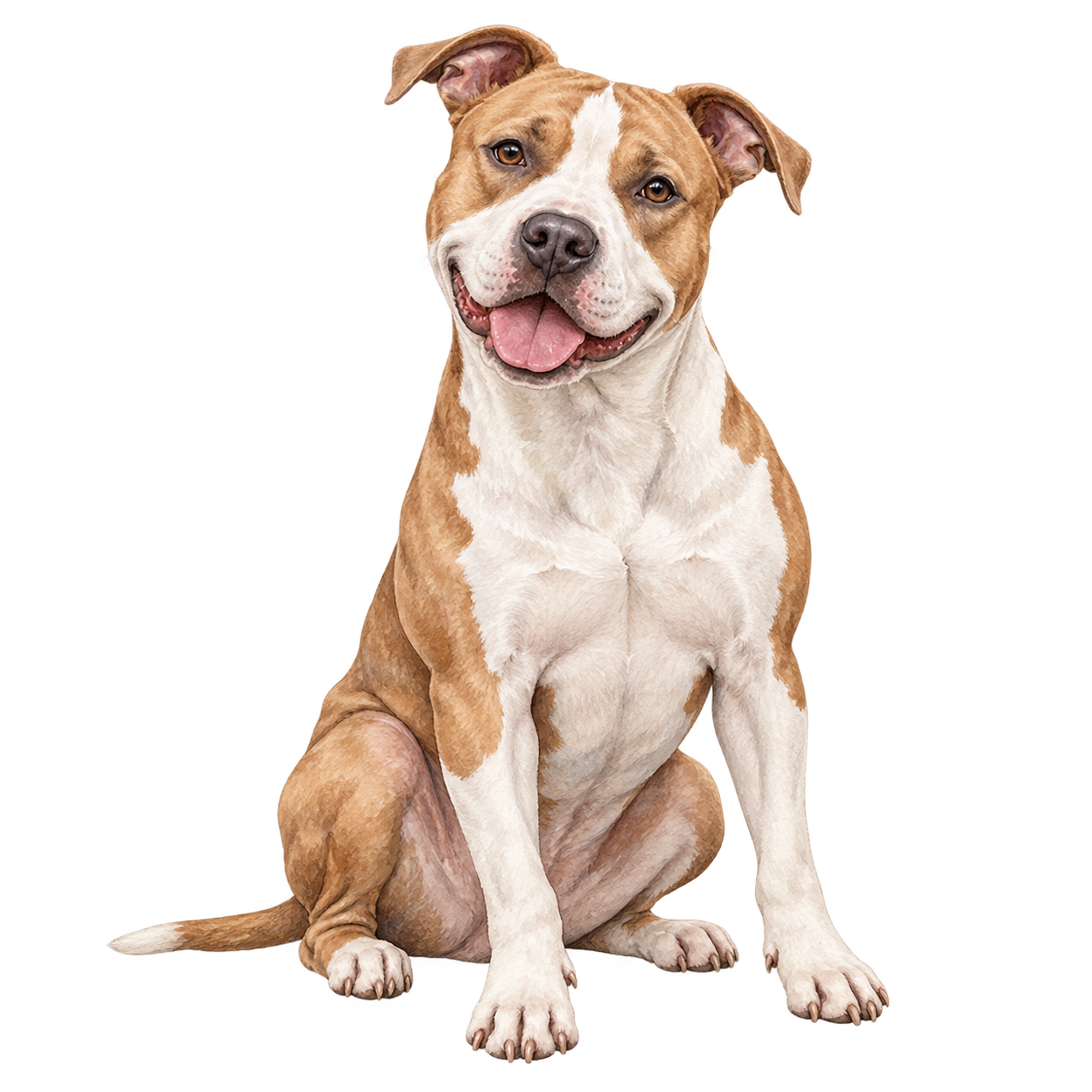
American Pit Bull Terrier
Athletic, people-loving and tenacious — devoted at home, demanding on the lead.
American Pit Bull Terriers are strong, agile and intensely affectionate with people. They thrive with active owners who invest in training and careful dog-to-dog management, and who can navigate housing and insurance restrictions.
Recognised by the UKC and ADBA, not the AKC. The AKC’s closest relatives are the American Staffordshire Terrier and Staffordshire Bull Terrier.
- Height
- 17–21 in43–53 cm
- Weight
- 30–60 lb14–27 kg
- Life expectancy
- 12–14 years
- Size
- Medium
- Group
- Other registries
- Origin
- United Kingdom and Ireland, developed in the United States
Coat: Short, glossy, stiff single coat. Colours: Any colour or pattern except merle.
At a glance
Ratings describe typical dogs of the breed on a 1–5 scale. Individual dogs vary with lines, upbringing and training.
Temperament
Well-bred, well-raised Pit Bulls are enthusiastic, clownish and eager to please their people. They tend to love human attention, including from strangers, and they are generally poor guard dogs. Their confidence and determination make them excellent sport partners in weight pull, agility and obedience.
The breed’s history in dog fighting left a real potential for dog-directed aggression, which may appear at social maturity (one to three years) even in dogs that played well as puppies. Responsible owners socialise early, supervise dog play and never rely on dog parks. Human aggression is not a breed trait, but their strength means any behaviour problem needs professional help early.
Living with a American Pit Bull Terrier
Exercise
Needs an hour or more of vigorous exercise daily: walks, flirt poles, fetch, tug and training games. Secure fencing is essential; many are skilled climbers and diggers.
Grooming
Very low maintenance — a weekly rub with a rubber brush. Short coats offer little protection, so they may need a coat in cold weather and sunscreen on pale skin.
Training
Smart and food-motivated, but strong and persistent. Start loose-lead walking, impulse control and a reliable “leave it” early. Reward-based training and structured socialisation with calm dogs are key.
Kids & other pets
Often gentle and patient with children in their own family, though exuberant play needs supervision. Dog-to-dog compatibility varies widely; introductions to cats and small pets need great care.
Time alone
Can be destructive when bored. Provide exercise before absences, durable chews and a crate or dog-proofed room.
Home fit
Can manage in an apartment with committed daily exercise; a house with outdoor space is easier.
Is a American Pit Bull Terrier right for you?
Take the Breed Fit quiz to see how a American Pit Bull Terrier matches your home, schedule and tolerance for shedding, barking and exercise — or find out which breed matches your personality with Dogsona.
Health
With good breeding and care, a American Pit Bull Terrier typically lives 12–14 years. These are the conditions most associated with the breed — not a prediction for any individual dog.
Hip dysplasia
Screen parents and keep your dog lean to protect joints.
Skin allergies
Environmental and food allergies causing itching and infections are common.
Cranial cruciate ligament tears
An athletic, muscular breed prone to knee ligament injuries.
Cerebellar ataxia (NCL-A)
An inherited neurological disease causing loss of coordination; a DNA test is available.
Hypothyroidism
Causes weight gain, lethargy and coat problems; managed with daily medication.
Ask a breeder for
- Hip and elbow evaluation
- Cardiac examination
- DNA test for NCL-A (cerebellar ataxia)
Sources: United Kennel Club breed standard; OFA health testing guidance. This is general information, not veterinary advice — talk to your vet about your own dog.
Cost to own
After the first year, expect roughly $1,200–$2,500 a year for food, routine vet care, preventives, insurance and supplies (US estimate).
- Pet insurance for a puppy typically runs $30–$60 a month; premiums rise with age and breed risk.
History
The breed descends from 19th-century British bull-and-terrier crosses bred for bull-baiting and, after baiting was banned in 1835, for dog fighting. Immigrants brought these dogs to America, where they also worked as farm dogs and family companions.
The United Kennel Club was founded in 1898 largely to register them. In the early 20th century pit-type dogs appeared on American wartime posters as a national symbol, and Sergeant Stubby, the most decorated dog of WWI, is often described as a bull-terrier type. Today the breed is subject to breed-specific legislation in some countries and municipalities, which owners must check before bringing one home.
Did you know?
- Pit Bulls were once so trusted with children that they were nicknamed “nanny dogs” — a myth, but a telling one.
- Petey from the Little Rascals films was an American Pit Bull Terrier.
- Many pit-type dogs in shelters are mixes; DNA studies show visual breed labels are often wrong.
Library guides for American Pit Bull Terrier owners
Training
Come (Recall)
High chase drive makes a reliable recall essential.
Training
Heel and Loose-Leash Walking
A strong American Pit Bull Terrier needs loose-lead manners early.
Exercise & Play
Fetch
A fast way to meet a high exercise need.
Exercise & Play
Tug of War
An energy outlet that also builds impulse control.
Exercise & Play
Dog Walking
Getting daily walks right for a American Pit Bull Terrier.
Grooming
Nail Clipping
Every dog needs regular nail care.
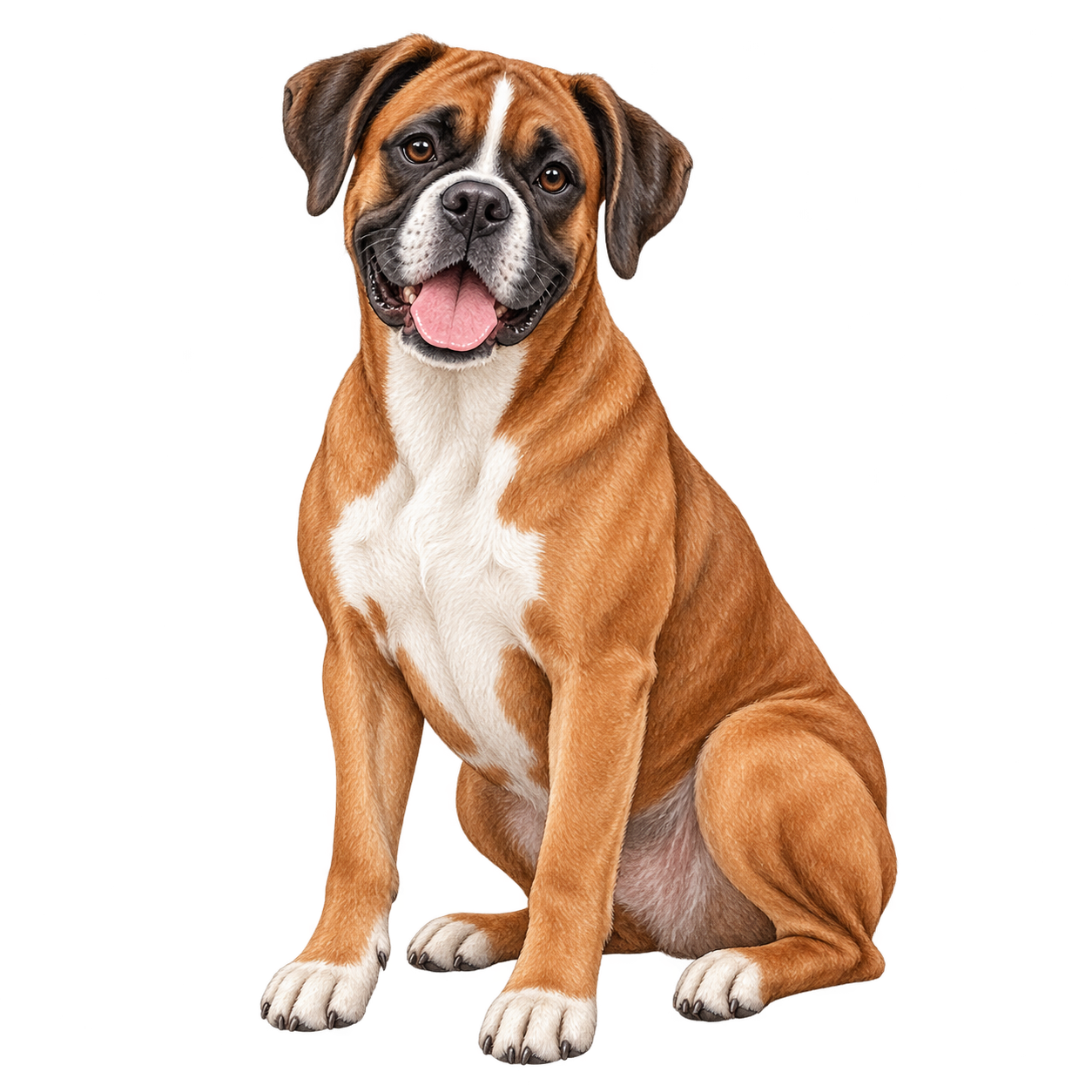
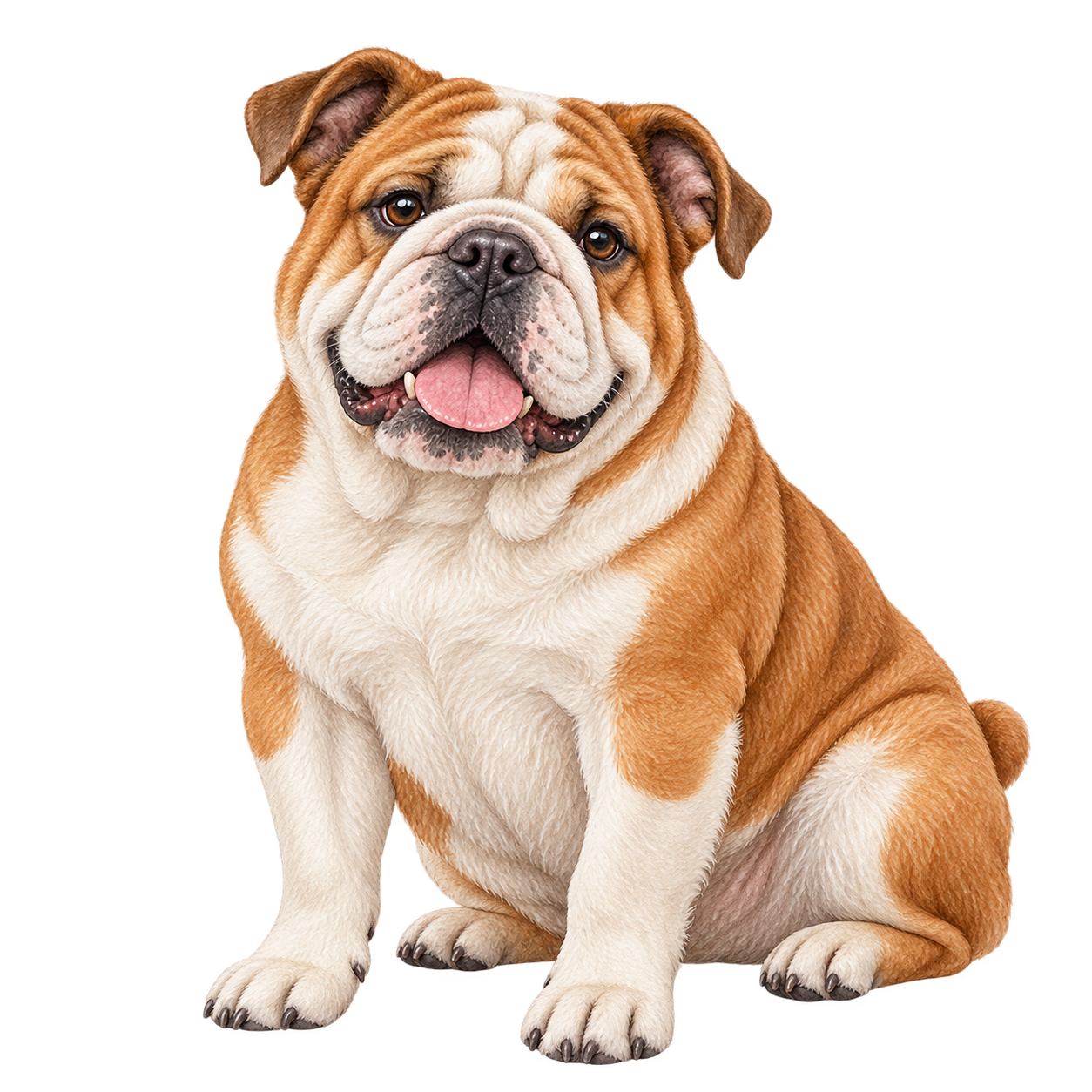
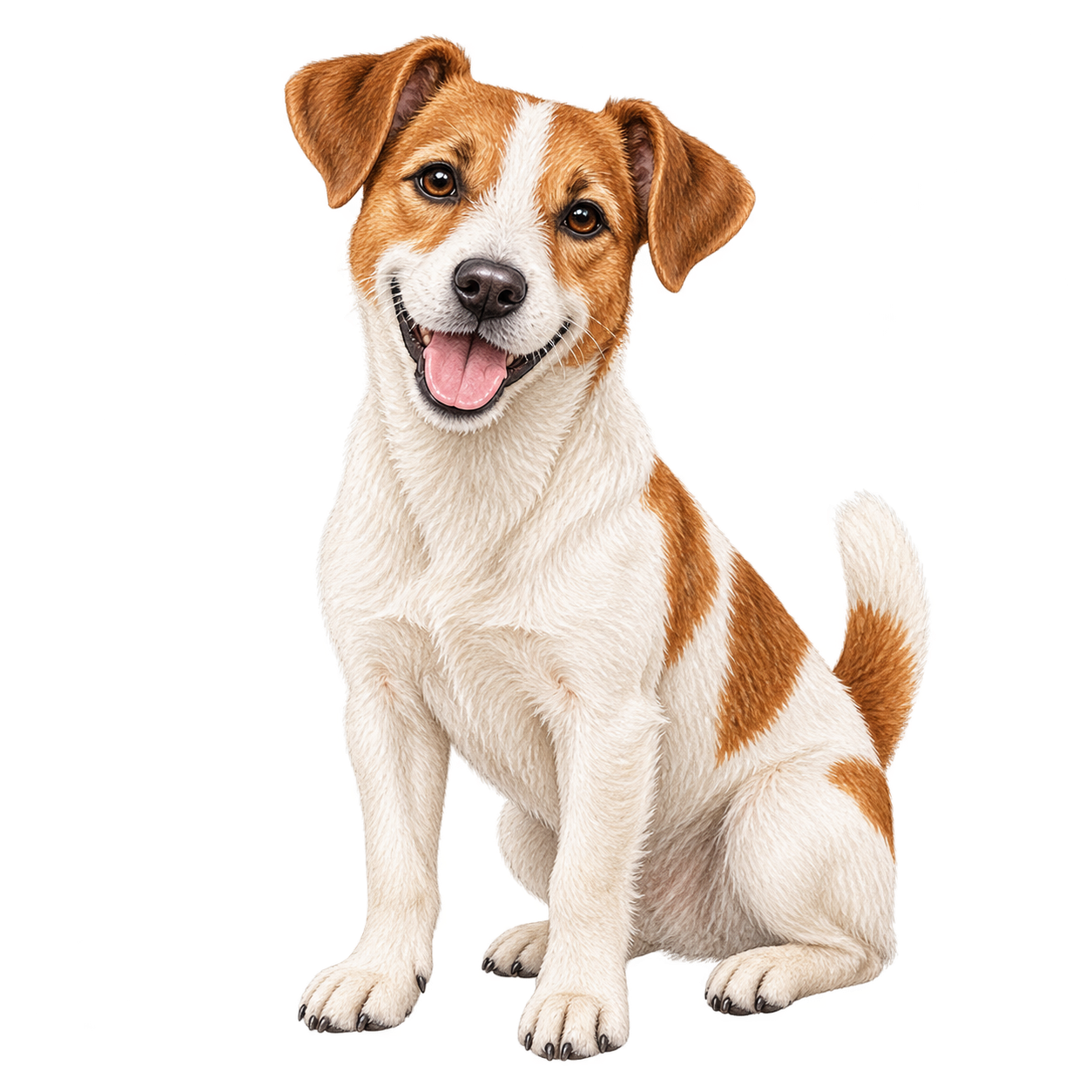
Similar breeds
Frequently asked questions
- Are Pit Bulls good family dogs?
- Many are affectionate, people-loving family dogs. They need training, exercise and careful management around other dogs.
- Are Pit Bulls allowed everywhere?
- No. Some countries, cities, landlords and insurers restrict or ban pit-type dogs. Check local laws and your lease before adopting.
- Do Pit Bulls get along with other dogs?
- Some do, but dog-selectivity is common after maturity. Plan to supervise play and avoid off-lead dog parks.
- Is an American Pit Bull Terrier the same as an American Staffordshire Terrier?
- They share ancestry. The AmStaff is the AKC-registered branch bred mainly for conformation; the APBT is registered with the UKC and ADBA.