Toy group
Affenpinscher
The “monkey terrier” — a tiny, shaggy comedian with a big-dog attitude.
Affenpinschers are small, wiry-coated toy dogs with a monkey-like face and a bold, comical personality. They are loyal, entertaining companions for adults, but can be stubborn, territorial and vocal.
- Height
- 9–11.5 in23–29 cm
- Weight
- 7–10 lb3–5 kg
- Life expectancy
- 12–15 years
- Size
- Toy
- Group
- Toy
- Origin
- Germany
Coat: Rough, shaggy, wiry coat, longer on the head, chest and legs. Colours: Black, Grey, Silver, Red, Black and tan, Beige.
At a glance
Ratings describe typical dogs of the breed on a 1–5 scale. Individual dogs vary with lines, upbringing and training.
Temperament
Affens are confident, curious and playful, with a mischievous sense of humour. They bond closely with their people and enjoy being the centre of attention.
They were bred as ratters, so they are fearless and can be territorial about food and toys. They are better with adults or older children who respect their space, and they make alert, sometimes noisy watchdogs.
Living with a Affenpinscher
Exercise
About 30 minutes a day of short walks and indoor play. Well suited to apartments.
Grooming
Brush a couple of times a week and trim or hand-strip the coat every few months to keep its shaggy shape.
Training
Clever but stubborn; short, fun, food-based sessions work best. House-training may take patience.
Kids & other pets
Best with adults or older children. Usually fine with other pets they know, but may guard food and toys.
Time alone
Tolerates moderate alone time but may bark at noises; provide a cosy den and a routine.
Home fit
Adapts well to apartments and smaller homes when daily needs are met.
Is a Affenpinscher right for you?
Take the Breed Fit quiz to see how a Affenpinscher matches your home, schedule and tolerance for shedding, barking and exercise — or find out which breed matches your personality with Dogsona.
Health
With good breeding and care, a Affenpinscher typically lives 12–15 years. These are the conditions most associated with the breed — not a prediction for any individual dog.
Patellar luxation
Loose kneecaps are common in toy breeds; watch for skipping on a hind leg.
Legg-Calvé-Perthes disease
Degeneration of the hip joint in young small dogs, causing lameness.
Hip dysplasia
Reported more than expected for a toy breed; screened parents help.
Eye disease
Cataracts and other eye conditions occur; annual eye exams are recommended.
Ask a breeder for
- Patella evaluation
- Hip evaluation
- Eye examination
- Cardiac examination
Sources: OFA CHIC breed requirements: Affenpinscher; Affenpinscher Club of America. This is general information, not veterinary advice — talk to your vet about your own dog.
Cost to own
After the first year, expect roughly $900–$1,800 a year for food, routine vet care, preventives, insurance and supplies (US estimate).
- Pet insurance for a puppy typically runs $30–$60 a month; premiums rise with age and breed risk.
History
Affenpinschers were developed in 17th-century Germany to catch rats in stables, kitchens and shops. Over time they were bred smaller and became ladies’ lap dogs. The name means “monkey terrier” in German.
The breed contributed to the Brussels Griffon and possibly the Miniature Schnauzer. The AKC recognised it in 1936, and an Affenpinscher named Banana Joe won Westminster Best in Show in 2013.
Did you know?
- An Affenpinscher named Banana Joe won Westminster Best in Show in 2013.
- The French call the breed “diablotin moustachu” — the moustached little devil.
- “Affenpinscher” means “monkey terrier” in German.
Library guides for Affenpinscher owners
Grooming
Ear Cleaning
Ear care matters for this coat and ear type.
Exercise & Play
Dog Walking
Getting daily walks right for a Affenpinscher.
Grooming
Nail Clipping
Every dog needs regular nail care.
New Dog Owners
How to find a reputable dog breeder
What to ask a Affenpinscher breeder about health screening.
New Dog Owners
The real cost of a puppy: what to budget before you bring one home
Budget for the first year and beyond.
Similar breeds
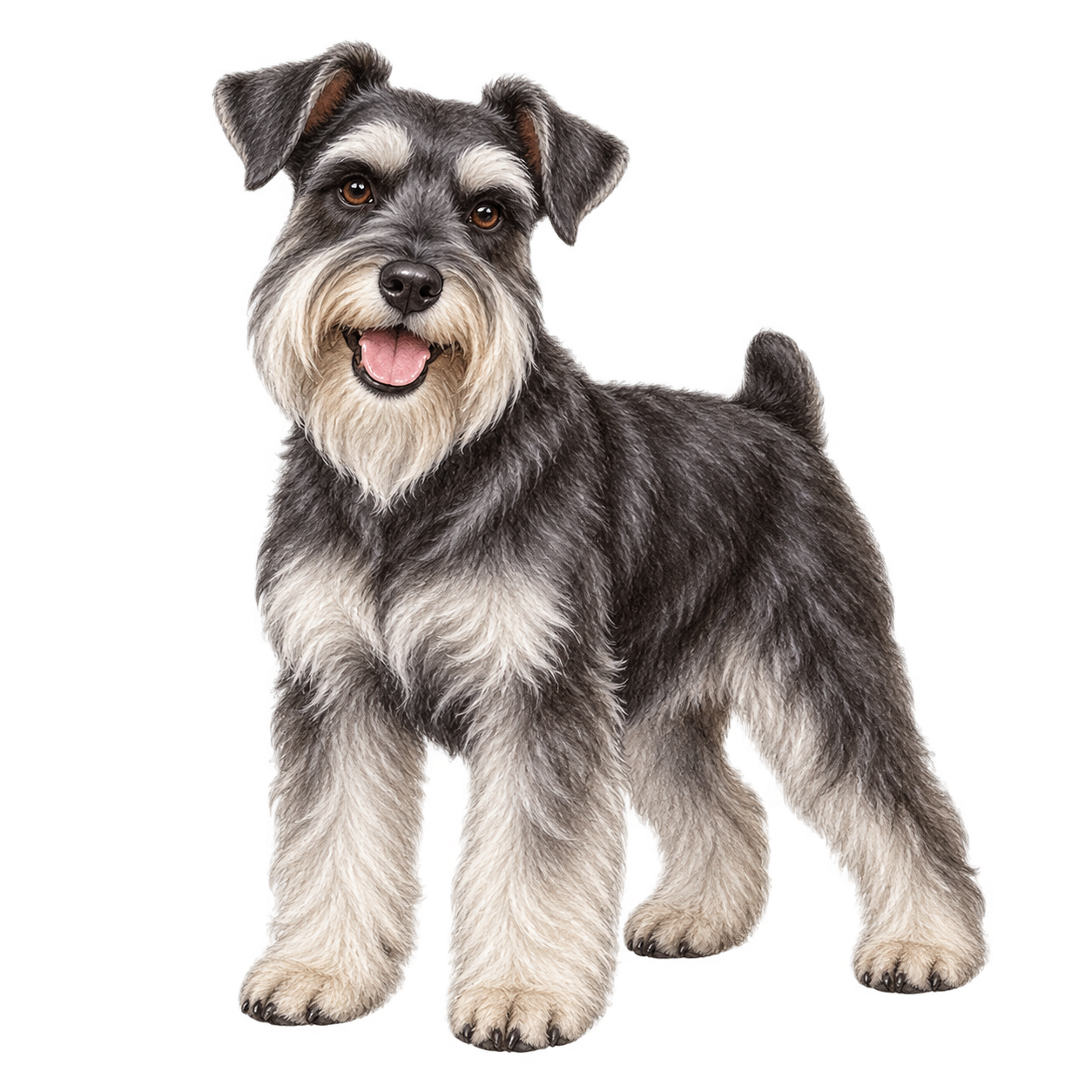
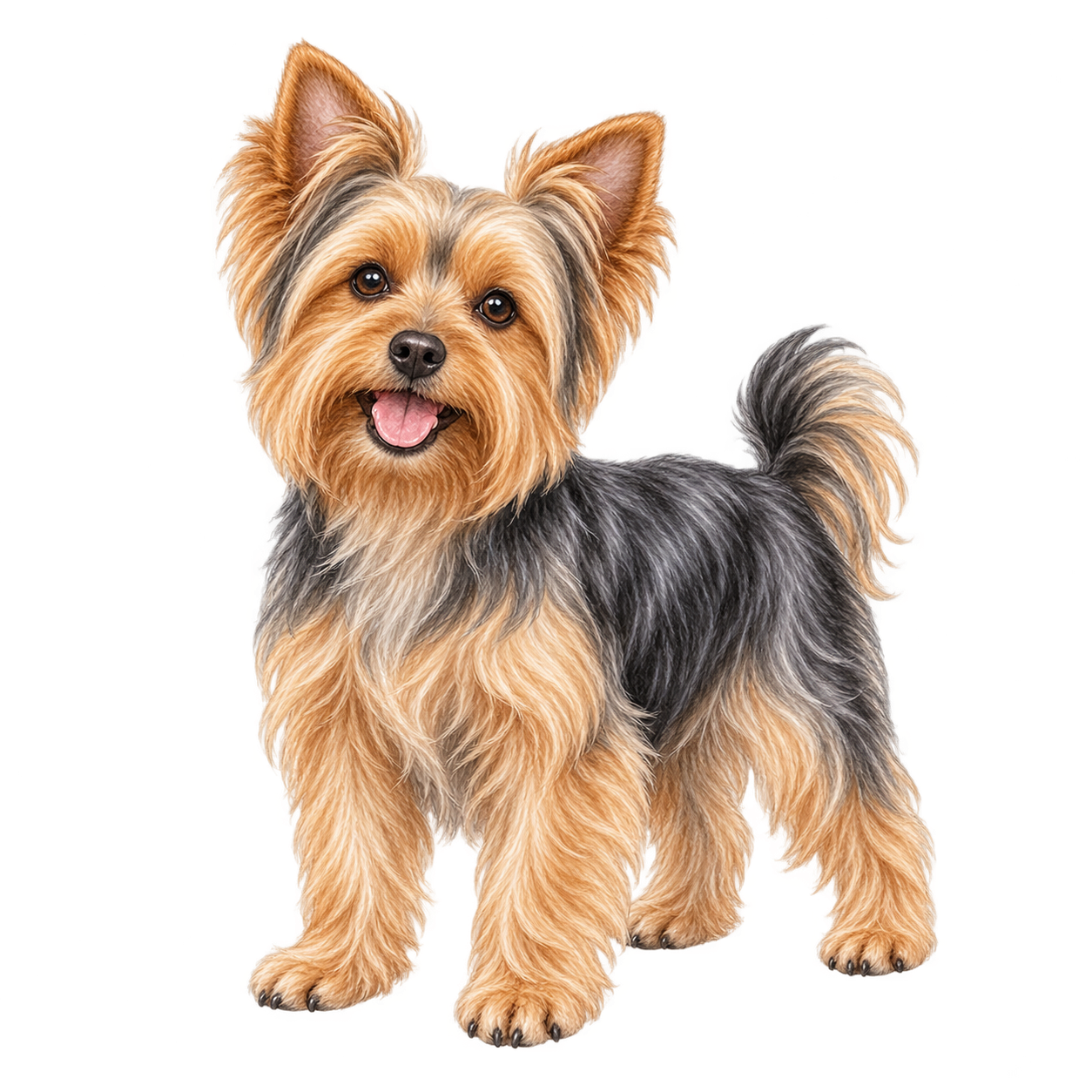
Frequently asked questions
- Are Affenpinschers good apartment dogs?
- Yes — they are small and need little exercise, though they can be vocal.
- Are Affenpinschers good with kids?
- Better with older, respectful children; they do not tolerate rough handling.
- Do Affenpinschers shed?
- Very little.